
Sports
How Argentina Fought Their Way Back to the FIFA World Cup Final

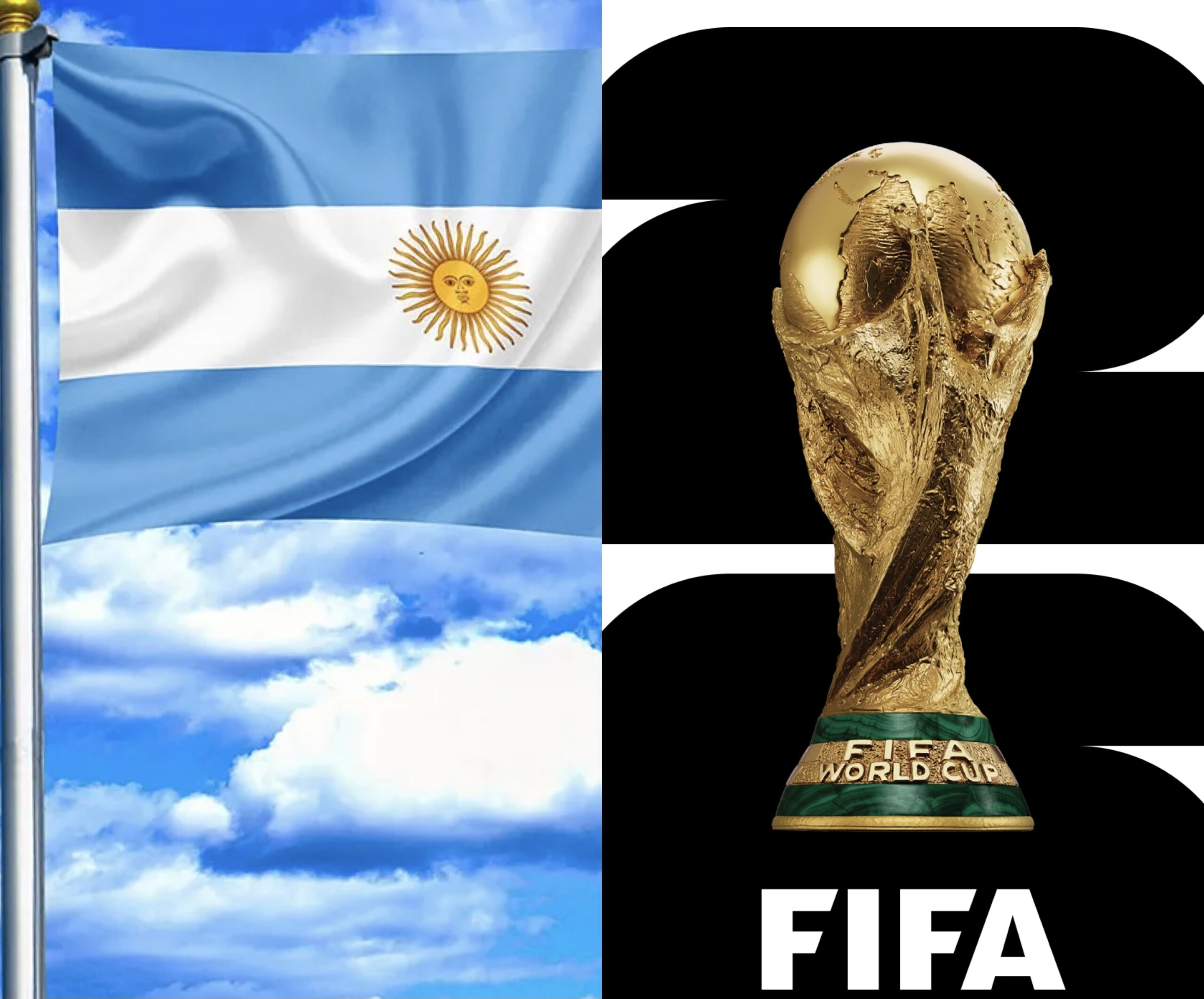
Four years after lifting the FIFA World Cup in Qatar, Argentina stand on the brink of making history once again.
The reigning world champions have secured their place in the 2026 FIFA World Cup final, where they will face Spain on Sunday, July 19, after a dramatic 2-1 comeback victory over England in the semi-finals.
If they triumph, Argentina will become the first nation since Brazil in 1962 to successfully defend the men’s FIFA World Cup title.
From a demanding group-stage campaign to a series of knockout victories, Lionel Scaloni’s side have demonstrated resilience, tactical discipline and the enduring influence of Lionel Messi.
A Strong Start in the Group Stage
Argentina entered the expanded 48-team tournament carrying the weight of expectation as defending champions.
Under FIFA’s new format, teams had to navigate a more demanding route, with the competition expanding from 32 to 48 nations.
The revised structure introduced 12 groups of four teams, followed by a Round of 32 before the traditional knockout rounds, meaning finalists must now play eight matches instead of seven.
Scaloni’s team successfully progressed from the group stage, displaying the composure and consistency expected of defending champions.
Knockout Football Begins
Argentina’s real examination began in the newly introduced Round of 32, where they faced Cape Verde.
The South Americans survived an entertaining contest to record a 3-2 victory, advancing to the Round of 16 while avoiding one of the tournament’s earliest upsets.
Although the scoreline reflected defensive vulnerabilities, Argentina’s attacking quality ultimately proved decisive.
Narrow Escape Against Egypt
The Round of 16 produced another stern test.
Egypt pushed Argentina throughout the encounter before the reigning champions secured another hard-fought 3-2 victory, booking a place in the quarter-finals.
The match reinforced Argentina’s ability to perform under pressure, even when opponents threatened to derail their title defence.
Quarter-Final Statement
Argentina delivered one of their most convincing performances of the knockout stages in the quarter-finals, defeating Switzerland 3-1.
The victory demonstrated greater balance between attack and defence, with Scaloni’s tactical adjustments allowing his side to control larger periods of the game while limiting Switzerland’s attacking opportunities.
The result sent Argentina into a second consecutive World Cup semi-final.
Dramatic Semi-Final Comeback
Argentina’s semi-final against England will be remembered as one of the tournament’s defining matches.
England appeared destined for victory after Anthony Gordon opened the scoring in the second half.
However, Argentina refused to surrender.
Midfielder Enzo Fernández levelled the score late in the match before substitute Lautaro Martínez completed an extraordinary comeback in stoppage time, converting a decisive assist from Lionel Messi to seal a memorable 2-1 victory.
The dramatic win extended Argentina’s unbeaten run in the tournament and secured another appearance in football’s biggest match.
Messi’s Enduring Influence
At 39 years old, Lionel Messi continues to shape Argentina’s World Cup campaign.
Beyond his goals, the captain has remained the team’s creative heartbeat, providing leadership during crucial moments and inspiring another generation of Argentine players.
The semi-final victory also moved Messi closer to another remarkable milestone, as he prepares to become only the second footballer in history to appear in three FIFA World Cup finals, joining Brazilian legend Cafu.
One Match From History
Standing between Argentina and back-to-back World Cup titles is a formidable Spanish side.
Spain arrive in the final after defeating France 2-0 in the other semi-final, setting up what many analysts believe could be one of the finest World Cup finals in recent history.
For Argentina, victory would cement their place among football’s greatest dynasties.
For Messi, it could represent the perfect conclusion to one of the most celebrated international careers the sport has ever witnessed.
The answer will come on Sunday in New Jersey.
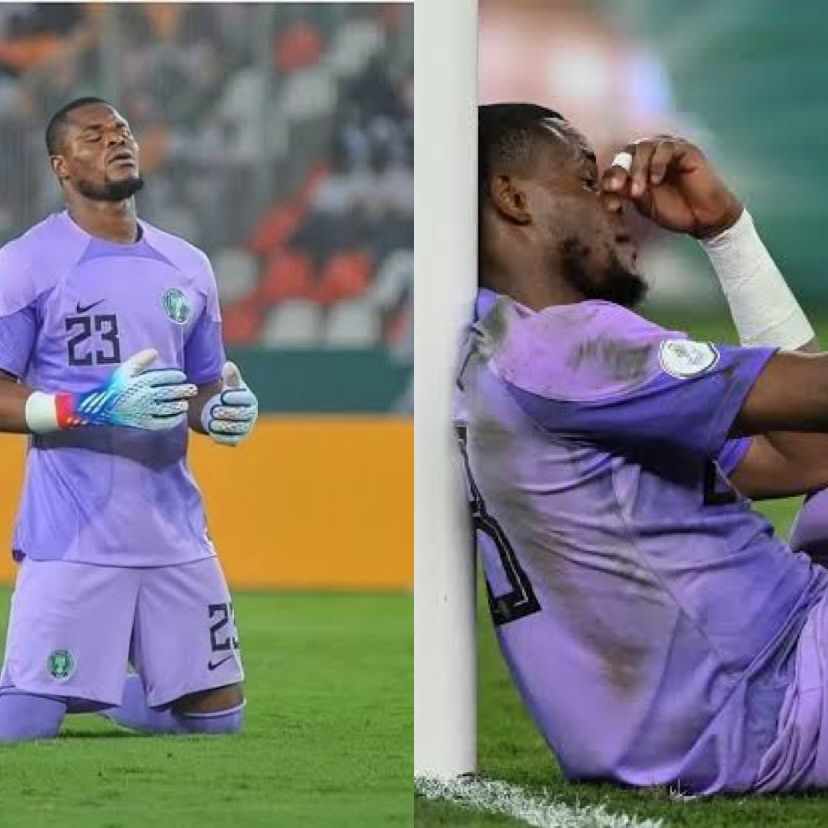
Super Eagles first-choice goalkeeper Stanley Nwabali has spoken publicly about one of the most difficult periods of his life, revealing that he temporarily stepped away from football after losing both parents and his grandmother within a short space of time.
The 29-year-old goalkeeper said the devastating sequence of family bereavements took a significant emotional toll on him, forcing him to prioritise his mental well-being before making an unexpected return to South African Premier Division side Chippa United.
Nwabali’s absence from competitive football earlier this year had sparked speculation among supporters, particularly following his impressive performances for Nigeria at the 2023 Africa Cup of Nations (AFCON), where he emerged as one of the tournament’s standout goalkeepers and played a pivotal role in the Super Eagles’ run to the final.
However, the Rivers State-born shot-stopper has now disclosed that his decision to step away from the game was driven not by football-related issues but by overwhelming personal grief.
A Season of Profound Loss
Within a matter of months, Nwabali lost his father, his mother, and later his grandmother—three family members he described as pillars of his life.
The emotional impact of those losses, he explained, made it impossible to focus fully on professional football.
For many athletes, balancing elite competition with personal tragedy presents immense psychological challenges. In Nwabali’s case, taking time away from the sport became necessary to process grief and protect his mental health before returning to competition.
Mental health experts have increasingly emphasised that bereavement can significantly affect concentration, emotional stability, decision-making, and overall performance, particularly in high-pressure professions such as elite sports.
Surprise Return to Chippa United
Despite widespread uncertainty surrounding his future, Nwabali eventually resumed training and returned to action with Chippa United, providing a welcome boost to both the club and Nigerian football supporters.
His return has been widely interpreted as a demonstration of resilience and determination following months of personal hardship.
Although he had been linked with potential transfers after his impressive AFCON performances, the goalkeeper remained with Chippa United as he worked towards rebuilding both his fitness and emotional strength.
From AFCON Hero to National Inspiration
Nwabali became a household name during the 2023 Africa Cup of Nations in Côte d’Ivoire after producing a series of commanding performances that established him as Nigeria’s undisputed first-choice goalkeeper.
His composure, shot-stopping ability, and leadership from the back earned widespread praise from football analysts, former internationals, and supporters across Africa.
Beyond his achievements on the pitch, many Nigerians have commended his openness about grief and mental health, describing it as an important reminder that professional athletes also face deeply personal struggles away from public view.
Growing Conversation Around Mental Health in Sport
Nwabali’s experience adds to a growing global conversation about mental health in professional sports.
In recent years, several elite athletes have spoken openly about anxiety, depression, burnout, and the psychological effects of personal loss, encouraging sporting organisations to provide stronger mental health support systems.
Sports psychologists argue that acknowledging emotional challenges should be viewed as a sign of strength rather than weakness, particularly in environments where athletes are often expected to perform regardless of personal circumstances.
Looking Ahead
As preparations continue for Nigeria’s upcoming international fixtures and qualification campaigns, Nwabali’s return offers renewed optimism for the Super Eagles.
Supporters will hope the goalkeeper can gradually rediscover the form that made him one of Africa’s standout performers while continuing his personal journey of healing after an extraordinarily difficult chapter in his life.
His story serves as a powerful reminder that behind every athlete is a human being whose greatest battles are not always fought on the field of play.
-
 Sports1 day ago
Stanley Nwabali Opens Up on Family Tragedy and Mental Health Before Chippa United Return
-

 Judiciary | Public Safety3 hours ago
Analysis: Why Would Mary Habila’s Father Oppose an Autopsy?
-

 Investigations/Anti-Corruption10 hours ago
Court Orders Final Forfeiture of 48 Properties Linked to Former AGF Abubakar Malami
-
Uncategorized7 days ago
Hello world!
-

 Editorial1 day ago
Welcome to Nigeria Insight: A New Voice for Truth, Accountability and National Conversation
-

 Politics1 day ago
2027: Wike’s PDP, Otti’s Labour Party, APGA Miss INEC Deadline for Presidential Candidate Submission
-

 Breaking News4 hours ago
Police Arrest Two Robbery Suspects, Recover Stolen Toyota Hilux in Adamawa