
Judiciary | Public Safety
Lagos Gov’t Urges Residents to Adopt Responsible Waste Disposal to Combat Flooding

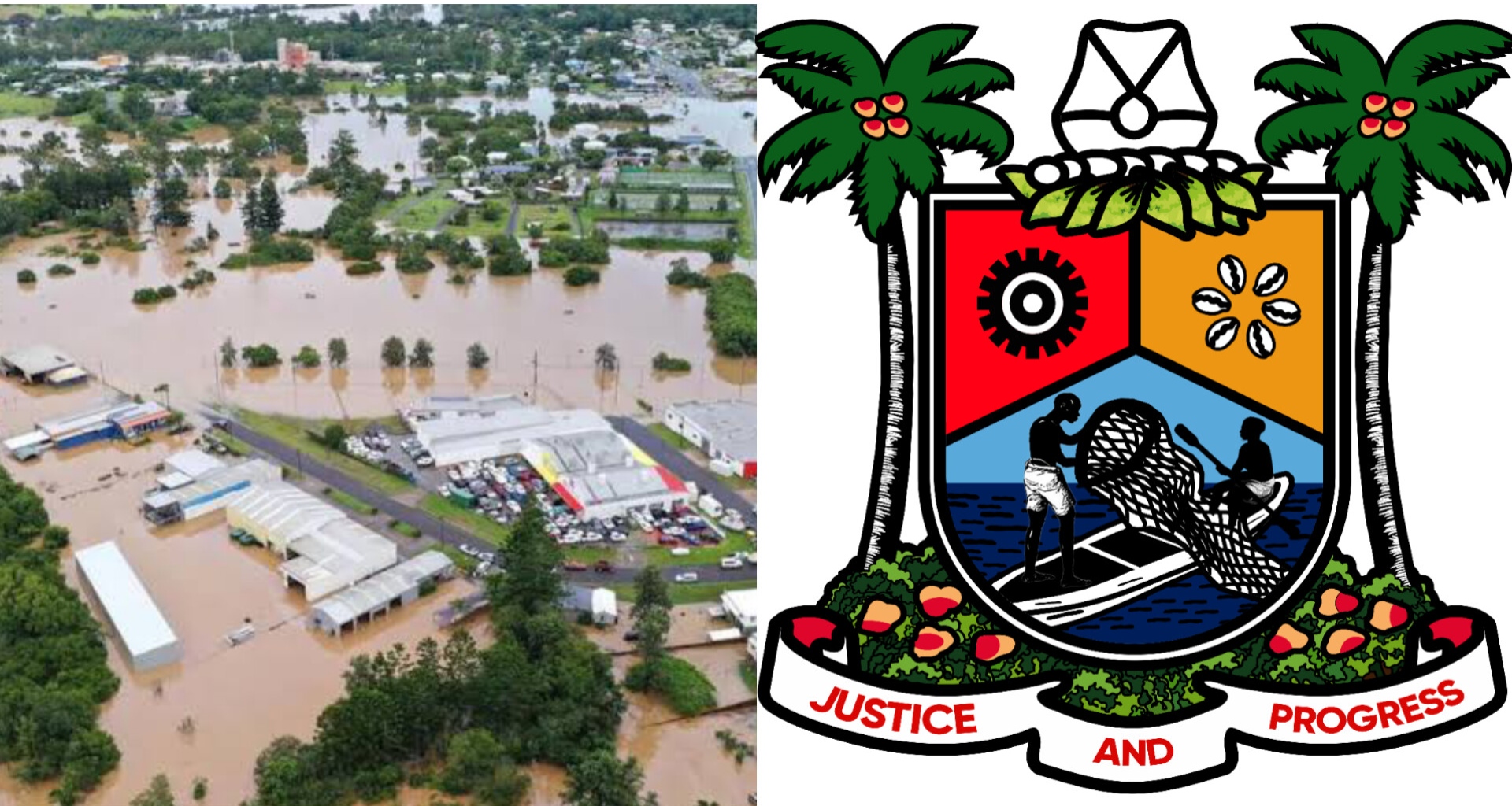
The Lagos State Government has renewed its call on residents to adopt responsible waste disposal habits as part of efforts to reduce flooding and improve environmental sanitation across the state.
The government said improper disposal of waste into drainage channels, canals and waterways remains one of the major factors worsening flooding during periods of heavy rainfall, as blocked drainage systems prevent the free flow of stormwater.
The renewed sensitisation campaign is aimed at encouraging residents, businesses and communities to take greater responsibility for maintaining a cleaner environment and supporting the state’s flood prevention measures.
Lagos, Nigeria’s most populous city and a coastal megacity, has historically faced challenges associated with flooding due to its low-lying terrain, rapid urbanisation and increasing pressure on existing drainage infrastructure.
Environmental authorities have repeatedly warned that plastic waste, household refuse and other debris dumped into waterways can obstruct drainage networks, causing rainwater to overflow into residential areas, roads and business districts.
The state government noted that while infrastructure projects such as drainage expansion and canal clearing remain ongoing, individual and community actions are equally important in tackling recurring flood challenges.
Authorities urged residents to dispose of waste only through approved channels and avoid dumping refuse on roadsides, drainage paths and waterways.
The government also encouraged landlords, community leaders, market operators and business owners to promote environmental responsibility within their neighbourhoods.
Officials stressed that maintaining a clean environment requires collective effort, noting that government intervention alone cannot completely address sanitation challenges without public cooperation.
Environmental experts have consistently linked urban flooding in major cities around the world to a combination of factors, including poor waste management, inadequate drainage capacity, climate change and unplanned development.
In Lagos, the annual rainy season often brings renewed concerns over flooded roads, damaged property and disruptions to economic activities.
Experts have advised residents to support preventive measures by keeping drainage channels clear, reducing single-use plastic waste and reporting blocked waterways to relevant authorities.
The Lagos State Government said it will continue its environmental enforcement and infrastructure initiatives aimed at improving drainage systems, clearing canals and strengthening waste management operations.
However, officials emphasised that long-term success depends on a partnership between government agencies and residents.
As rainfall intensifies during the wet season, authorities have urged Lagos residents to see proper waste disposal not only as an environmental responsibility but also as a public safety measure.


Judiciary | Public Safety
Supreme Court Restores Final Forfeiture of Emefiele’s Seven Luxury Properties
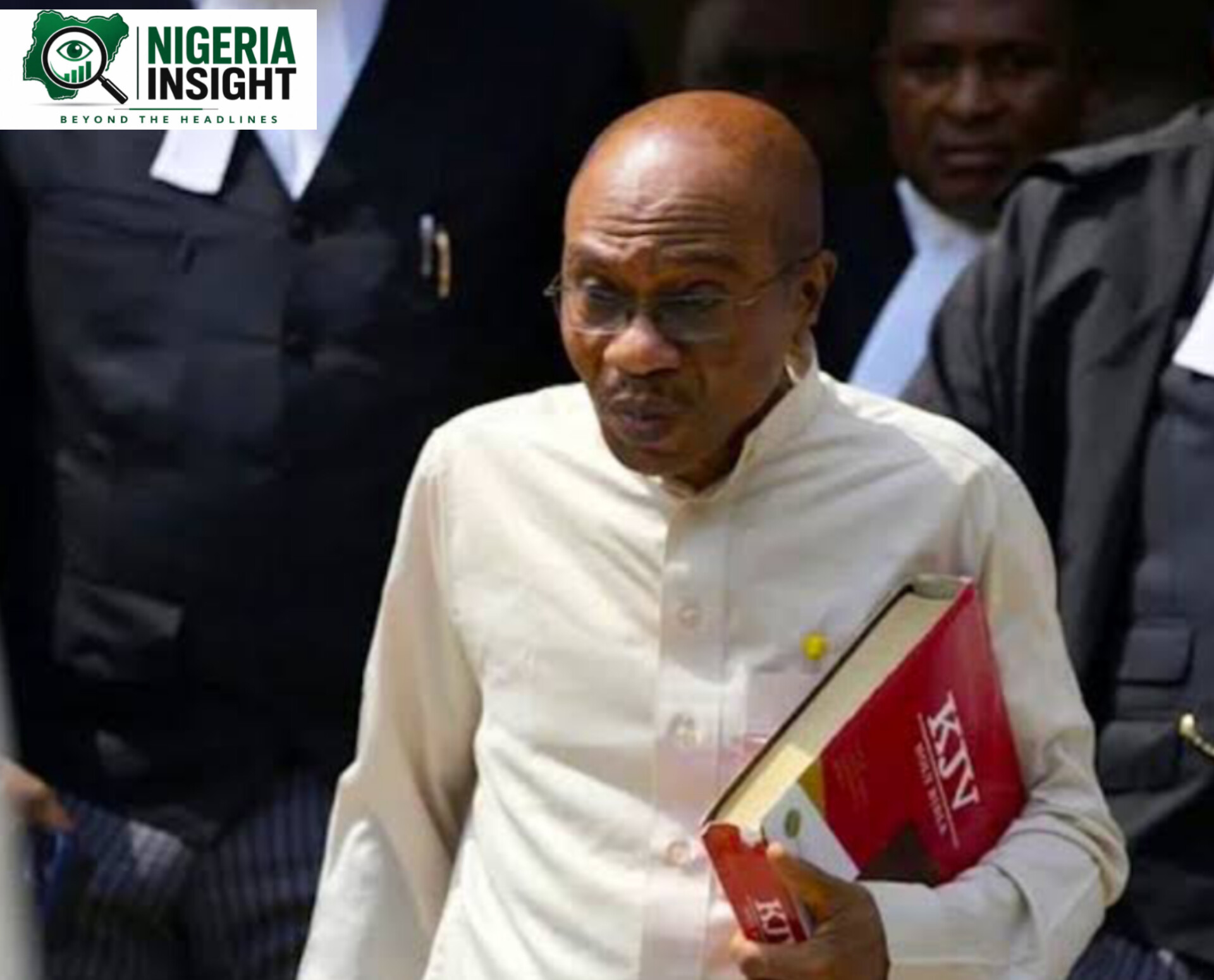
The Supreme Court has restored the final forfeiture of seven high-value properties linked to former Governor of the Central Bank of Nigeria (CBN), Godwin Emefiele, overturning an earlier decision of the Court of Appeal that had ordered a retrial of the case.
A five-member panel of the apex court, led by Justice Ibrahim Saulawa, unanimously allowed the appeal filed against the Court of Appeal judgment and set aside the appellate court’s decision, which had nullified the forfeiture order earlier granted by the Federal High Court in Lagos.
The Supreme Court’s decision means that the properties will remain forfeited to the Federal Government, following the conclusion of the legal battle over the assets.
The forfeiture case originated from proceedings before the Federal High Court in Lagos, where an order was granted for the permanent forfeiture of seven properties allegedly linked to the former CBN governor.
The properties, described as high-value real estate assets, were initially forfeited to the Federal Government after the court considered an application brought by relevant authorities seeking their recovery.
However, the decision was later challenged at the Court of Appeal, which set aside the forfeiture order and directed that the matter be retried.
Dissatisfied with the appellate court’s decision, the Federal Government appealed to the Supreme Court, arguing that the Court of Appeal had erred in overturning the lower court’s ruling.
Delivering judgment, the Supreme Court panel held that the Court of Appeal was wrong to nullify the forfeiture order and order a retrial.
The apex court consequently restored the decision of the Federal High Court, bringing an end to the legal dispute surrounding the properties.
The judgment reinforces the authority of Nigerian courts to determine the ownership and disposition of assets subject to forfeiture proceedings where allegations of unlawful acquisition arise.
The properties became the subject of legal proceedings following investigations into assets allegedly connected to Emefiele, who served as CBN Governor from 2014 until his suspension by President Bola Ahmed Tinubu in June 2023.
Following his suspension, Emefiele faced investigations by security agencies over allegations relating to financial misconduct and abuse of office. He has consistently denied wrongdoing.
The former CBN governor was later prosecuted by the Economic and Financial Crimes Commission (EFCC) on allegations including fraud-related offences and abuse of office. Some of the charges against him have continued through various legal processes.
The ruling represents a significant development in Nigeria’s ongoing efforts to recover assets linked to corruption investigations and suspected proceeds of unlawful activities.
Legal analysts note that asset forfeiture cases are separate from criminal convictions, meaning the forfeiture of property does not automatically amount to a declaration of criminal guilt against an individual.
Under Nigeria’s legal framework, courts may order the forfeiture of assets where authorities establish sufficient grounds that such properties are connected to unlawful activities, subject to due legal process.
The Federal Government has continued to emphasise asset recovery as a key component of its anti-corruption strategy, with several high-profile forfeiture cases involving public officials and politically exposed persons appearing before Nigerian courts in recent years.
The Supreme Court’s latest decision adds to the growing body of judicial decisions shaping the application of forfeiture laws in Nigeria.
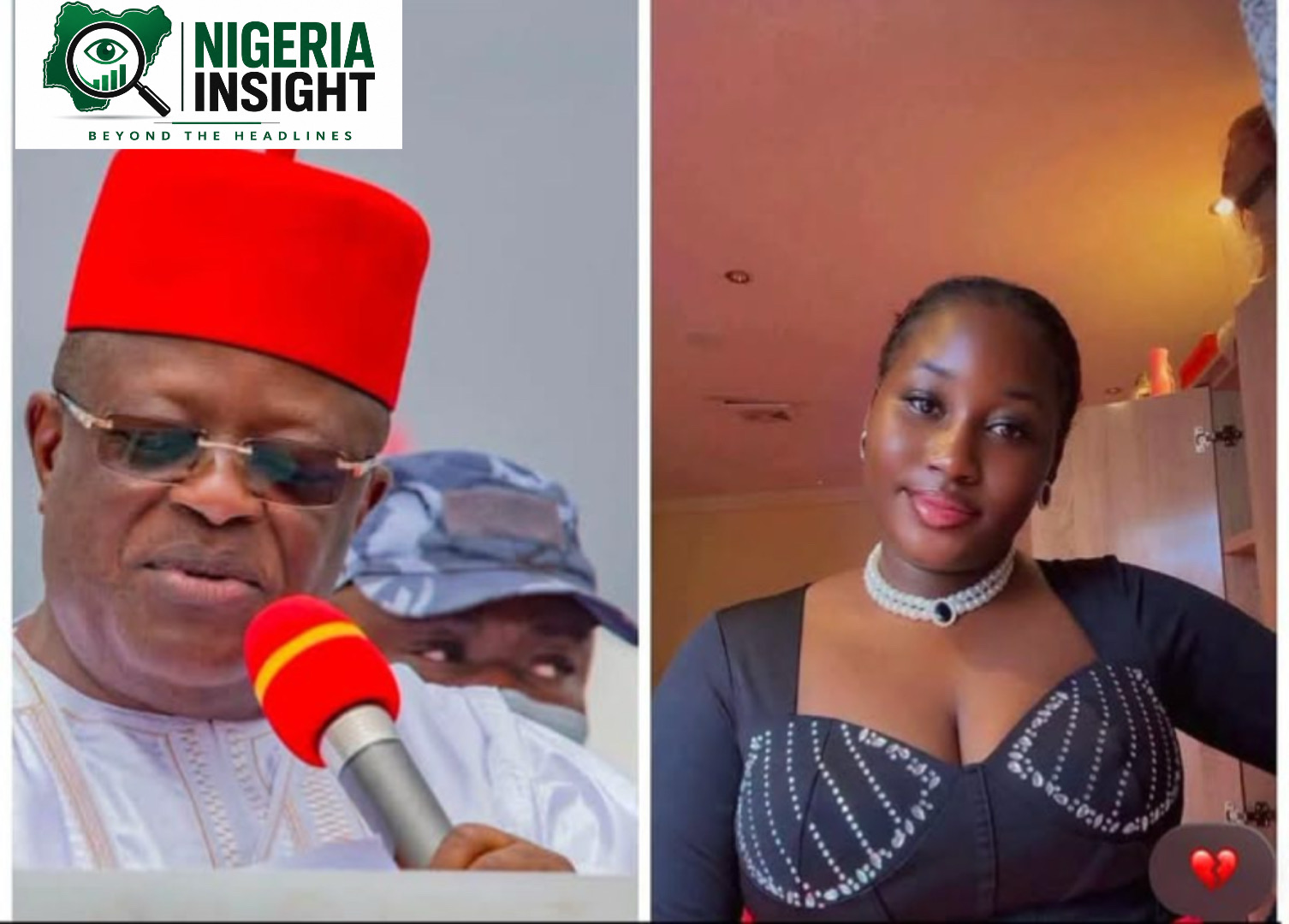
The decision by the father of the late Mary Habila to ask authorities to discontinue further investigations and release his daughter’s body for burial has raised questions across Nigeria. While only the family can fully explain their reasons, several factors could influence such a decision.
Religious and cultural considerations may be one factor. In many Nigerian communities, families prefer to bury loved ones as soon as possible.
Prolonged retention of a body in a mortuary, particularly for an autopsy, may conflict with family traditions or religious beliefs.
The family may also believe that Mary died of natural causes and therefore see no need for further medical examination. If they are convinced there was no foul play, they may consider an autopsy unnecessary and emotionally distressing.
Another possible reason is the emotional toll of the tragedy. Losing a child is one of the most traumatic experiences a parent can endure. The father may simply wish to bring the matter to a close, allowing the family to grieve privately and proceed with burial.
There may also be concerns about avoiding prolonged legal or public scrutiny. High-profile deaths often attract intense media attention, public speculation, and extended investigations. Some families choose to distance themselves from prolonged proceedings to preserve privacy.
Others have speculated about the possibility of external pressure or influence, particularly because the death occurred at the residence of a serving minister.
However, there is currently no publicly available evidence to support such a claim, and it would be irresponsible to present it as fact. Any suggestion of intimidation or inducement would require credible evidence and official investigation.
It is also possible that the family has been given information that satisfies them regarding the circumstances of Mary’s death. If that is the case, they may feel an autopsy would not change their understanding of what happened.
Despite the family’s request, legal experts note that in cases involving sudden, unexplained, or potentially suspicious deaths, the state has an independent responsibility to determine the cause of death.
An autopsy is often conducted not only for the benefit of the family but also to establish medical facts that serve the public interest and the administration of justice.
Until investigators release their findings, any explanation for the father’s request remains speculative. The outcome of the police investigation and any post-mortem examination will ultimately provide the most reliable basis for understanding the circumstances surrounding Mary’s death.
-

 Judiciary | Public Safety1 day ago
Analysis: Why Would Mary Habila’s Father Oppose an Autopsy?
-
 Judiciary | Public Safety4 hours ago
Supreme Court Restores Final Forfeiture of Emefiele’s Seven Luxury Properties
-
 Security5 hours ago
Kogi Rescues Abducted NECO Candidates as Governor Ododo Reaffirms No-Ransom Policy
-

 Sports2 days ago
Stanley Nwabali Opens Up on Family Tragedy and Mental Health Before Chippa United Return
-
 Editorial20 hours ago
When Nigeria’s Elite Choose Foreign Classrooms, What Does It Say About Our Universities?
-

 Investigations/Anti-Corruption1 day ago
Court Orders Final Forfeiture of 48 Properties Linked to Former AGF Abubakar Malami
-

 Analysis | Security | National Affairs13 hours ago
Analysis: Why Military Recruitment Appears Lower in Nigeria’s South-East
-
Uncategorized1 week ago
Hello world!