
Politics
Falana Urges Nigeria, Ghana to Seek Damages from South Africa Over Xenophobic Attacks

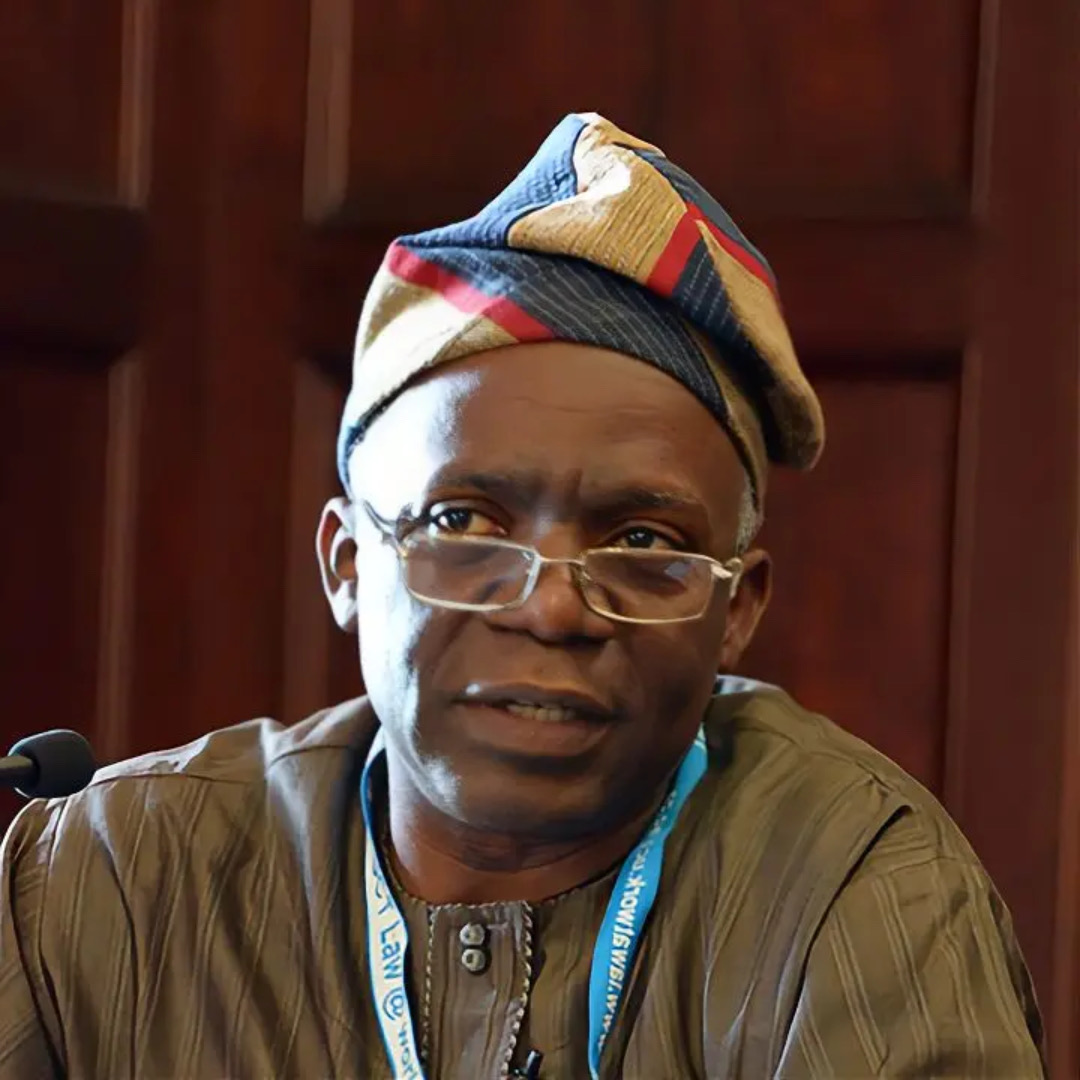
Human rights lawyer and Senior Advocate of Nigeria (SAN), Femi Falana, has called on the governments of Nigeria and Ghana to institute legal proceedings against South Africa at the African Court on Human and Peoples’ Rights, seeking compensation over renewed xenophobic attacks targeting African migrants.
Falana made the call amid fresh reports of anti-immigrant violence and protests in parts of South Africa, which have affected foreign nationals, including Nigerians and Ghanaians.
According to Falana, repeated attacks on African migrants and their businesses raise concerns about the protection of the rights and safety of foreign nationals living in South Africa.
He argued that the governments of Nigeria and Ghana should explore available legal mechanisms under African and international human rights frameworks to seek redress for victims and hold those responsible accountable.
The senior lawyer maintained that beyond diplomatic protests, legal action could serve as a stronger deterrent against future attacks.
South Africa has witnessed periodic outbreaks of xenophobic violence over the past two decades, with migrants from several African countries often targeted during episodes of unrest.
The latest wave of anti-immigration protests has reignited concerns across the continent, prompting some African governments to monitor developments closely and engage South African authorities over the safety of their citizens.
In recent weeks, Nigeria has evacuated several citizens from South Africa following heightened tensions and security concerns.
Falana’s proposal comes as African governments continue to emphasise regional cooperation under the African Union (AU) and the African Continental Free Trade Area (AfCFTA), both of which promote the movement of people, trade and continental integration.
Legal experts note that any action before the African Court would depend on jurisdictional requirements, treaty obligations and decisions by the affected governments.
As of the time of filing this report, neither the Federal Government of Nigeria nor the Government of Ghana had publicly indicated whether they would pursue the legal option suggested by Falana.
The renewed debate highlights broader questions about the protection of migrants’ rights in Africa and the responsibilities of governments to safeguard both their citizens abroad and foreign nationals within their borders.
It also raises important discussions about how regional institutions can respond to recurring xenophobic violence.







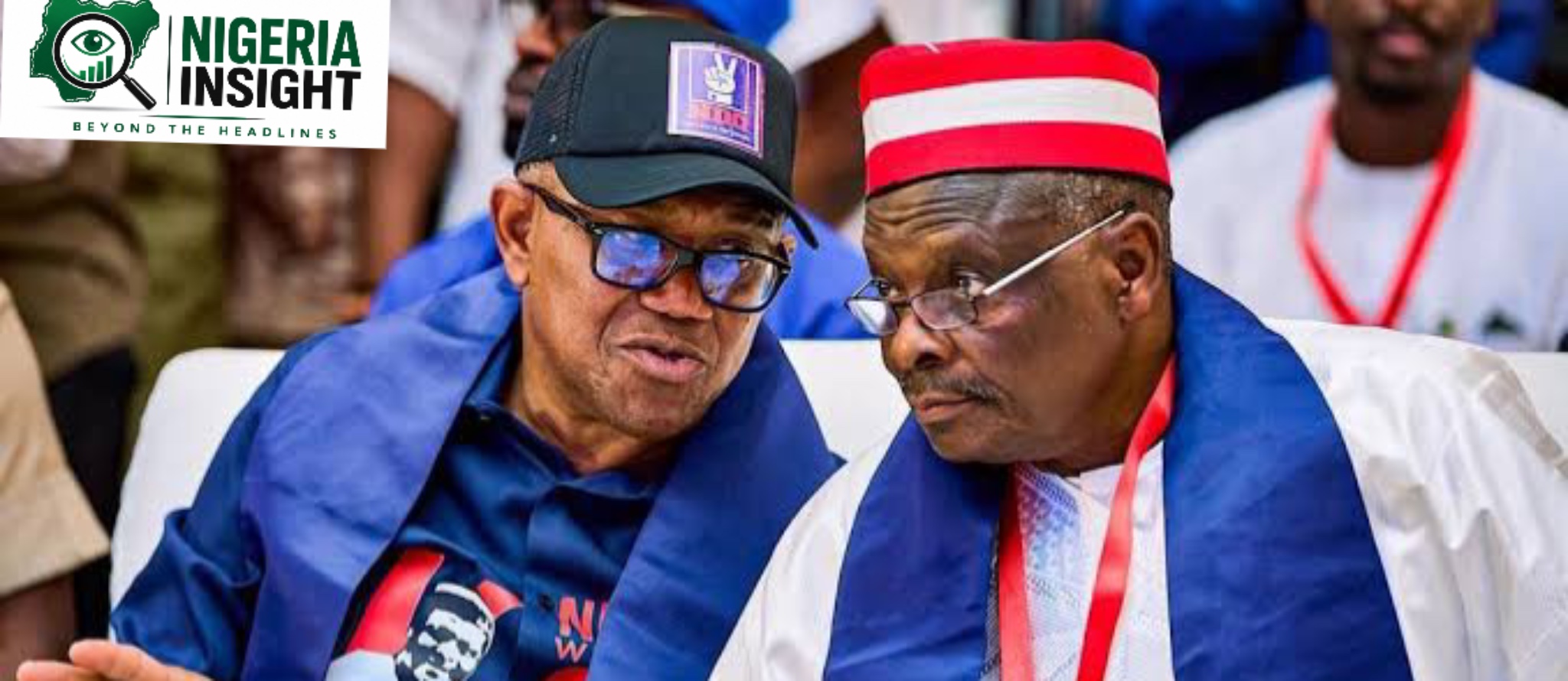
The vice-presidential candidate of the Nigeria Democratic Congress (NDC), Rabiu Musa Kwankwaso, has disclosed that the party’s presidential candidate, Peter Obi, signed a written agreement committing to serve only one four-year term if elected president in the 2027 general election.
Kwankwaso said he believes Obi will honour the agreement, describing him as a man who keeps his word.
Speaking during an interview on Channels Television, Kwankwaso said the understanding between both leaders was not merely verbal but formally documented.
According to him, the agreement provides that if Obi wins the presidency in 2027, he will serve a single four-year term before power returns to the North, in line with what the party describes as its commitment to Nigeria’s power-sharing arrangement.
“We are all gentlemen, and we agreed to put it on paper,” Kwankwaso said, adding that he has no reason to doubt Obi’s commitment.
Peter Obi has previously stated that, if elected, he would serve only one term, arguing that doing so would respect the principle of rotational leadership between Nigeria’s North and South.
The latest disclosure by Kwankwaso provides further insight into how the NDC leadership intends to implement that commitment.
The revelation comes as political parties continue to shape their campaigns ahead of the 2027 presidential election.
The issue of power rotation has remained a recurring subject in Nigeria’s political discourse, with many stakeholders viewing it as a mechanism for promoting national inclusion and political stability.
Political analysts say the written agreement could become a major talking point as campaigns gather momentum, with supporters likely to view it as a demonstration of commitment, while critics may question its constitutional and political implications.
Kwankwaso’s disclosure introduces a new dimension to the 2027 presidential race by revealing that the NDC’s top candidates have formalised a one-term understanding.
Whether the agreement strengthens public confidence or attracts greater scrutiny is likely to remain part of the national political conversation in the months ahead.
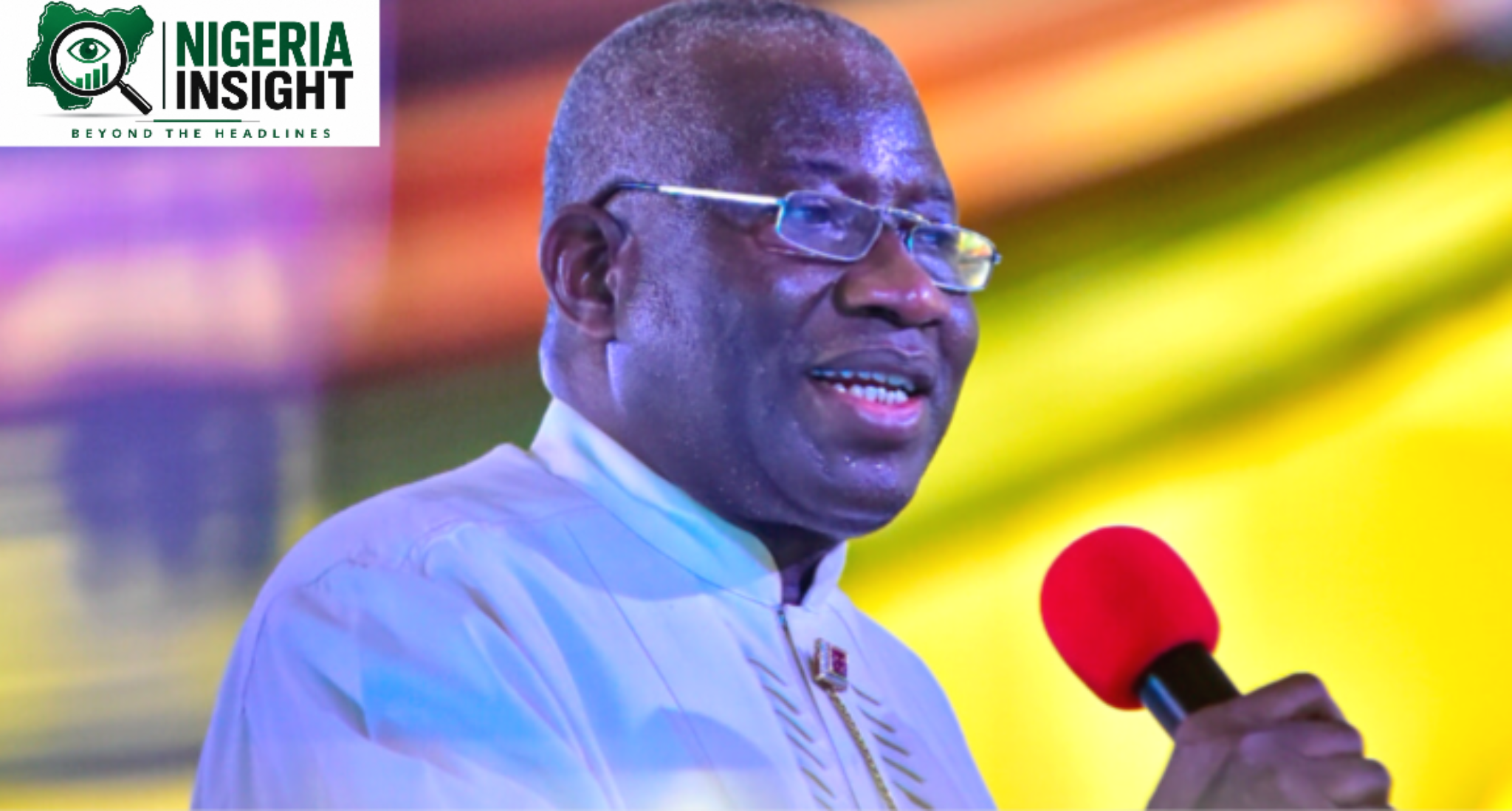
Former President Goodluck Jonathan has reflected on efforts to restore peace in the Niger Delta, revealing that he once entered a militant camp without security escorts in a bid to persuade armed groups to embrace dialogue.
Jonathan said the move was part of a broader peace initiative aimed at ending years of militancy, attacks on oil infrastructure and instability in the oil-rich region.
‘I Risked My Life for Peace’
Speaking about the peace process, Jonathan said he deliberately took the risk because he believed direct engagement with militant leaders was necessary to build trust and find a lasting solution to the conflict.
“I risked my life for Niger Delta peace,” the former president said, recalling how he visited a militant camp without armed protection during negotiations.
According to him, the decision demonstrated his commitment to achieving peace through dialogue rather than confrontation.
For years, the Niger Delta witnessed militant activities driven by grievances over environmental degradation, resource control and underdevelopment.
The unrest disrupted oil production, affected Nigeria’s economy and posed significant security challenges.
Successive governments adopted a combination of military operations, dialogue and development programmes to address the crisis.
Jonathan noted that sustained engagement with community leaders and militant groups contributed to reducing violence and creating conditions for greater stability in the region.
The former president’s remarks come as discussions continue over the long-term impact of the Niger Delta peace initiatives and the need to sustain development in the region.
Analysts say while security has improved compared to the peak of militancy, issues such as youth unemployment, environmental remediation and infrastructure development remain key concerns for many communities.
The Niger Delta remains central to Nigeria’s oil and gas industry. Jonathan’s account highlights the role dialogue can play in resolving complex security challenges while also renewing attention on the need to address the underlying social and economic issues that have fuelled unrest in the region.
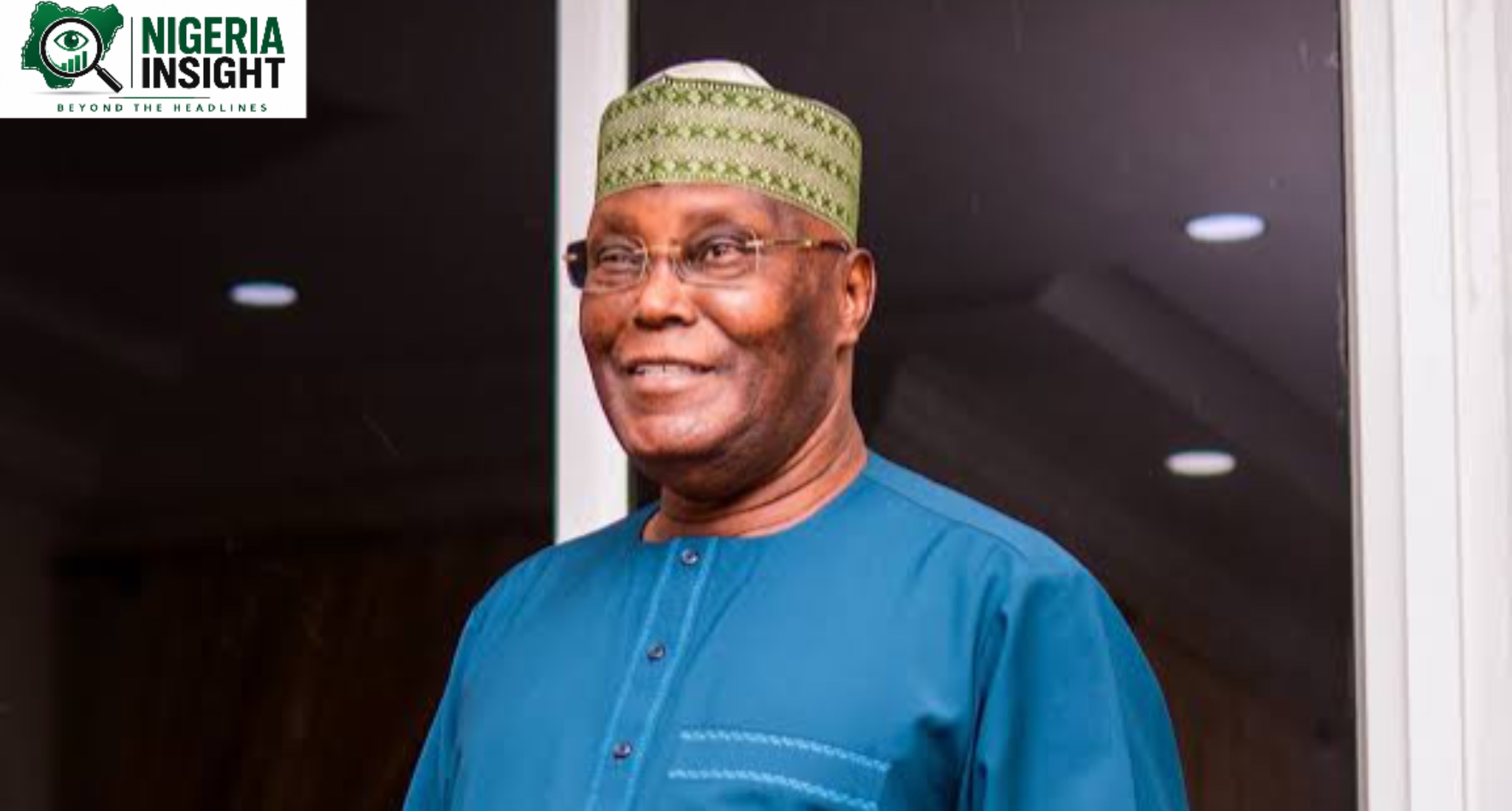
Former Vice President and African Democratic Congress (ADC) presidential candidate, Atiku Abubakar, has urged the Federal Government to adopt a production-driven economic strategy, arguing that Nigeria’s long-term prosperity cannot be achieved through excessive borrowing, import dependence and increased taxation.
Atiku made the remarks while outlining his vision for Nigeria’s economy, insisting that sustainable growth would only come from boosting local production, industrialization and exports.
According to the former vice president, Nigeria’s economic future depends on strengthening domestic production rather than relying heavily on imports and debt financing.
He said the country should focus on increasing agricultural output, supporting local manufacturers and creating an environment that encourages investment and job creation.
“Nigeria cannot borrow, import and tax its way to prosperity. Our economic salvation lies in producing what we eat, manufacturing what we use and exporting what we make,” Atiku said.
Atiku argued that expanding local industries and improving productivity would reduce Nigeria’s dependence on imports, strengthen the naira and generate more employment opportunities.
He also stressed the need for policies that encourage value addition, innovation and competitiveness in key sectors of the economy.
His comments come amid ongoing national conversations about inflation, rising public debt, exchange rate pressures and the cost of living.
-
 Uncategorized3 days ago
NEMA Urges Residents in Flood-Prone Areas to Relocate as Heavy Rains Intensify
-

 Judiciary | Public Safety5 days ago
Analysis: Why Would Mary Habila’s Father Oppose an Autopsy?
-
 Editorial4 days ago
When Nigeria’s Elite Choose Foreign Classrooms, What Does It Say About Our Universities?
-
 Judiciary | Public Safety4 days ago
Supreme Court Restores Final Forfeiture of Emefiele’s Seven Luxury Properties
-
 Security4 days ago
Kogi Rescues Abducted NECO Candidates as Governor Ododo Reaffirms No-Ransom Policy
-

 Sports2 days ago
England Edge France 6-4 in World Cup Third-Place Thriller to Secure Bronze Medal
-
 Breaking News3 days ago
US Warns Citizens Against Travel to 23 Countries Over Security Risks
-
 World News | International Affairs3 days ago
Israel Says It Has Killed Hamas Commander Walid Haniyeh in Targeted Operation