
National Affairs
Anambra AIDS Control Agency Unveils Telehealth Service to Boost HIV Care


The Anambra State AIDS Control Agency (ANSACA) has unveiled a new newsletter and telehealth service aimed at strengthening HIV prevention, testing, treatment and care across the state.
The twin initiatives were launched on Wednesday at Chyben Leisure Hotel, Awka, as part of efforts to improve access to reliable HIV information and healthcare services while strengthening community participation in the state’s HIV response.
Speaking at the event, the Executive Director and Project Manager of ANSACA, Dr Nkem Okeke, said the agency was taking the fight against HIV beyond offices and conventional health facilities to communities where residents could access services more easily.
Okeke disclosed that the agency had tested more than 2,500 people for HIV since April 2026 through outreaches conducted in communities, motor parks, workplaces and tertiary institutions.
He also announced the establishment of community structures, including Ward Action Committees on AIDS and Campus Action Committees on AIDS, to strengthen grassroots participation in HIV prevention and awareness.
The event was held under the theme, “Harnessing Digital Innovation to Strengthen the HIV Response, Bridging Communities and Advancing Health in Anambra State.”
According to Okeke, Anambra and Nigeria had reached a critical stage in the HIV response, making it necessary to adopt innovative approaches to prevent new infections and ensure that people living with HIV and those at risk can access appropriate services.
He said the newly introduced telehealth service would provide dedicated hotlines through which residents could access confidential counselling, referrals and credible information about HIV.
“Telehealth service is expected to introduce dedicated hotlines through which residents can call in for counselling, referrals, and reliable information on HIV.
“ANSACA Telehealth Service is geared towards removing physical barriers to healthcare access.
The service will ensure confidentiality to enable residents to ask sensitive sexual health questions and seek guidance without the fear of public stigma,” he said.
Okeke explained that the platform would provide information and counselling on HIV prevention and care, including Pre-Exposure Prophylaxis (PrEP), Post-Exposure Prophylaxis (PEP), HIV testing, treatment and stigma.
He said about 176 primary healthcare centres offering free HIV services had already been linked to the platform.
According to him, callers would be assessed and directed to appropriate healthcare facilities for further care and follow-up where necessary.
Okeke said the initiatives represented more than the launch of a publication and telephone service, stressing that they were designed to bridge the gap between information and action, as well as between communities and life-saving healthcare services.
“Since April 2026, when I assumed office, the agency has tested over 2,500 persons through community, motor park, workplace and tertiary institution outreaches, and has made Anambra the only state in Nigeria with Ward Action Committee on AIDS and CACA for campuses,” he said.
The ANSACA boss said the integration of digital technology into the HIV response would make it easier for residents to seek information and support without necessarily having to visit health facilities before obtaining initial guidance.
He added that confidentiality would be a major component of the telehealth service, particularly because fear of stigma and discrimination could discourage some people from seeking HIV-related information and services.
The state Commissioner for Information and Value Reorientation, Dr Law Mefor, commended ANSACA for the progress recorded within less than five months of Okeke assuming office.
Mefor said the agency was moving in the right direction by using digital technology to improve access to healthcare information and support.
According to him, the telehealth service would complement the state government’s telemedicine programme by connecting residents with relevant healthcare information and specialist support.
He also noted that increased access to HIV information and early testing could contribute to reducing stigma associated with the disease.
The commissioner said the initiative further demonstrated the state government’s commitment to supporting vulnerable people and ensuring that those who may otherwise be abandoned could access essential services.
The Chairman of the occasion, Sir Izuchukwu Nwabueze, said the newsletter would improve documentation, communication and community engagement around ANSACA’s HIV interventions.
He added that the telehealth platform would help remove barriers preventing residents from accessing HIV information, counselling and referrals.
Nwabueze said the initiatives could contribute to Anambra’s target of achieving zero new HIV infections, zero AIDS-related deaths and zero stigma and discrimination by 2030.
The keynote speaker, Prof Ifeoma Njelita, urged stakeholders to ensure that digital technology remained a bridge to healthcare rather than an end in itself.
Njelita said people should remain at the centre of the HIV response, identifying access to HIV testing as one of the major gaps that required greater attention.
She called for stronger local ownership of HIV interventions, particularly under Anambra’s 2026–2028 HIV Strategic Plan, which places emphasis on young people.
The highlight of the event was the unveiling of the ANSACA newsletter and telehealth service, alongside a drama presentation and other activities.
The agency said the initiatives were expected to strengthen communication, improve access to HIV services and deepen community participation in Anambra’s efforts to prevent new infections and improve HIV care.



Co-manager of the New Afrika Shrine, Yeni Kuti, has said Felabration has become an important platform for promoting Nigerian culture and attracting tourists from the African diaspora to the country.
Kuti stated this in an interview with the News Agency of Nigeria (NAN) in Lagos on Saturday, ahead of the 2026 edition of the annual festival celebrating the life and legacy of late Afrobeat pioneer, Fela Anikulapo-Kuti.
According to her, Felabration has continued to grow beyond a music event, providing an avenue to showcase different aspects of Nigerian culture to international visitors.
She said the presence of tourists, particularly people of African descent from different parts of the world, at the New Afrika Shrine during the festival was a positive development for Nigeria’s cultural promotion.
“It’s a very positive thing because if you come to the Shrine, you see people from all over the world.
“I’m glad that we are doing it and we are promoting our culture,” she said.
2026 Felabration activities
Kuti disclosed that the 2026 Felabration would feature a series of activities leading up to the main festival.
The week-long festival is scheduled to hold from October 12 to October 18, 2026.
She said the programme would begin with an art competition on October 1 at the Kalakuta Museum.
A dance competition is scheduled for October 3 at the New Afrika Shrine, while school debates will take place on October 7.
The ‘Dress Fela’ fashion show is billed for October 10, ahead of the commencement of the main festival on October 12.
The activities are expected to bring together musicians, artists, dancers, fashion enthusiasts, students, cultural practitioners and visitors as part of the celebration of Fela’s artistic legacy.
Felabration and Fela’s legacy
Felabration was conceived by Yeni Anikulapo-Kuti in 1998 as a celebration of Fela’s life, music and contributions to Nigerian and global culture.
The festival has since evolved into an annual cultural event featuring music, debates, dance, art and fashion.
Over the years, Felabration has also become associated with the New Afrika Shrine, a major cultural and entertainment venue in Lagos established around the legacy of Fela and the Kuti family.
Kuti said the continued arrival of international visitors demonstrates the festival’s potential to expose Nigeria’s cultural heritage to a wider global audience.
The 2026 edition is expected to continue the tradition of using music and other forms of creative expression to celebrate Fela’s legacy while providing a platform for cultural exchange and tourism.
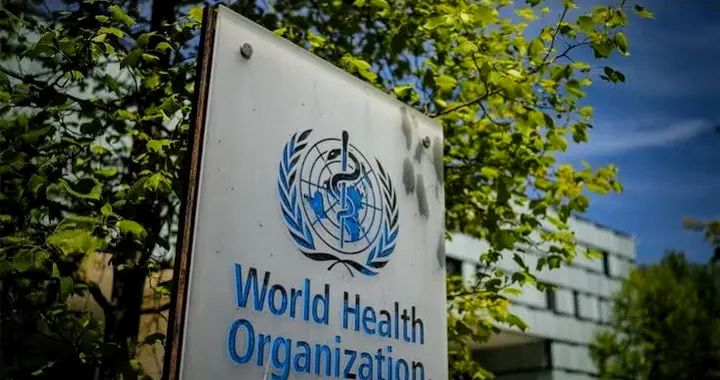
The World Health Organisation (WHO) has called for sustained global investment and stronger international cooperation to ensure the world is better prepared to prevent and respond to future pandemic threats.
WHO Director-General, Dr Tedros Adhanom Ghebreyesus, made the call on Friday at the second United Nations General Assembly High-Level Meeting on Pandemic Prevention, Preparedness and Response in New York.
The meeting brought together political leaders and senior representatives from member states, who renewed their commitment to strengthening global pandemic preparedness and ensuring more equitable access to essential health resources.
According to the WHO, the high-level meeting followed the first such meeting held in 2023, which was convened in response to the lessons and gaps exposed by the COVID-19 pandemic.
Tedros said the COVID-19 pandemic resulted in more than 20 million excess deaths between 2020 and 2023 and caused losses of more than $10 trillion to the global economy.
He said the pandemic exposed major weaknesses in global health security while providing lessons that should guide preparations for future health emergencies.
“The COVID-19 pandemic exposed and exacerbated the fault lines of global health security, and taught the world many painful lessons,” Tedros said.
He added that the political commitment demonstrated at the meeting reflected those lessons and included commitments to concrete and urgent measures.
According to him, countries must strengthen local and national capacities, invest in resilient health systems and expand equitable access to vaccines, medicines, diagnostics and other pandemic-related tools.
The WHO said countries also recognised progress made over the past three years in strengthening global systems for detecting, preparing for and responding to pandemic threats.
Among the developments highlighted were the adoption of the WHO Pandemic Agreement and amendments to the International Health Regulations (2005).
The organisation also noted the expansion of infrastructure and capacities for pandemic prevention, preparedness and response, including the establishment of global centres focused on epidemic and pandemic surveillance, pathogen sharing and local manufacturing of vaccines, treatments and diagnostics.
However, countries acknowledged that further action was required, particularly the conclusion of negotiations on an annex to the WHO Pandemic Agreement establishing the Pathogen Access and Benefit-Sharing (PABS) system.
The proposed system is designed to facilitate the timely sharing of pathogens with pandemic potential and ensure that benefits derived from their use are shared equitably.
The WHO said the mechanism would support research and development while helping countries gain timely and equitable access to vaccines, medicines, diagnostics and other health products during health emergencies.
Speaking on behalf of UN Secretary-General António Guterres, UN Deputy Secretary-General Amina Mohammed urged member states to accelerate negotiations on the system.
Mohammed described the PABS system as critical to unlocking the full potential of the WHO Pandemic Agreement.
“There is no time to waste,” she said, calling on member states to accelerate the process and deliver the agreement the world is waiting for.
The WHO said adoption of the annex at the next World Health Assembly in May 2027 would be necessary before member states could begin national consideration of ratifying the Pandemic Agreement.
Meanwhile, the President of the 81st UN General Assembly, Dr Khalilur Rahman, stressed the importance of international cooperation in protecting populations from future pandemics.
Rahman called for equitable and timely access to vaccines, diagnostics, therapeutics and other essential medical supplies, while also urging countries to strengthen health systems and address persistent financing gaps.
He said the international community already had the knowledge, scientific expertise and tools required to improve pandemic preparedness, adding that the lessons of COVID-19 should be put to practical use.
The President of the UN Economic and Social Council, Ambassador Amar Bendjama, also said pandemic prevention, preparedness and response were essential to achieving the 2030 Agenda and advancing the Sustainable Development Goals.
He called for integrated and adequately financed action focused on equity, resilient health systems, technology access, prevention and early-warning systems.
The declaration adopted at the meeting further underscored the importance of global solidarity and international cooperation in protecting communities from cross-border health threats.
It also highlighted the need for a One Health approach, which recognises the interconnectedness of human, animal and environmental health.
The leaders stressed that pandemic prevention and preparedness should remain a sustained political priority even during periods when there is no major health crisis.
They called for continued political leadership, international cooperation and long-term investment to strengthen global health security and reduce the impact of future pandemics.
National Affairs
Oyo Deputy Gov Commissions New Egbeda LG Office, Highlights Major Development Projects

Oyo State Deputy Governor, Abdulraheem Bayo Lawal, has commissioned a newly constructed office complex for the Executive Chairman of Egbeda Local Government Area, saying the council is strategically positioned to experience accelerated development.
Lawal spoke on Friday during the commissioning ceremony held at the Egbeda Local Government Secretariat in Ibadan, where awards were also presented to former chairmen of the council in recognition of their contributions to its development.
The Deputy Governor said Egbeda Local Government had become a major development corridor in Ibadan due to several ongoing projects, including the Ibadan Circular Road, the Air Force Base in Ajia and the Ajoda Housing Estate.
According to him, the projects would significantly transform the economic and physical landscape of the council and position it as one of the major beneficiaries of the state government’s long-term development plans.
Lawal appealed to residents and property owners affected by the Ibadan Circular Road project to support the initiative, describing it as a long-term investment in the future of Oyo State.
He assured affected property owners that the government would compensate them in accordance with applicable arrangements and the overriding public interest.
The deputy governor said the government was determined to avoid the unplanned development that occurred around the Lagos-Ibadan Expressway after its construction in 1977.
He explained that the Circular Road corridor was being developed with proper planning to ensure sustainable growth over the next 10 to 30 years.
“Egbeda Local Government is now a modal point within Ibadan—encircled by projects designed to drive development.
From the Circular Road to the Air Force Base and the Egbe-Ona Ara Development Corridor, this local government holds immense prospects for Oyo State,” Lawal said.
He added that the government understood the concerns surrounding the Circular Road project but urged residents to consider its long-term benefits.
“People have been agitating over the Circular Road corridor, but if we want development, certain things must give way for overriding public interest. The benefits may not be immediately visible, but we are planning 10 to 20 years,” he said.
Lawal also recalled that parts of the Lagos-Ibadan Expressway corridor that were originally undeveloped later became heavily built-up because adequate planning was not incorporated into the surrounding development.
He said the state government would ensure that the Circular Road corridor was properly planned to prevent similar challenges in the future.
Project funded through IGR
The Executive Chairman of Egbeda Local Government, Sikiru Sanda, described the newly commissioned office complex as one of the lasting legacies of his administration.
Sanda said the project was fully funded through the council’s internally generated revenue (IGR), adding that its completion demonstrated what could be achieved through prudent management of local government resources.
He expressed appreciation to Governor Seyi Makinde for creating an enabling environment and granting local governments the autonomy needed to implement development projects.
Sanda described Makinde as a transformational leader and assured residents that additional projects were being executed across the council.
He also pledged to remain committed to serving the people of Egbeda and Oyo State until the end of his tenure.
Former chairmen honoured
In their goodwill messages, the Chairman of the Oyo State House of Assembly Committee on Local Government, Emmanuel Akintunde;
former council chairman and former TESCOM Chairman, Chief Akin Alamu; and Co-Chairman of the Oyo State Elders’ Council and former Egbeda Local Government Chairman, Elder Wole Oyelese, commended Sanda for what they described as impactful projects and good governance.
Earlier, the Head of Administration of Egbeda Local Government, Dr Monsurat Ayo-Alaga, said the new office complex reflected the council’s commitment to prudent financial management, accountability and responsible utilisation of public funds.
She said the decision to honour former council chairmen was also aimed at recognising their contributions to the growth and development of Egbeda Local Government.
Ayo-Alaga commended the Makinde administration for its interventions in education, healthcare, water supply, infrastructure and security as part of its grassroots development efforts.
The ceremony was attended by the member representing Egbeda State Constituency in the Oyo State House of Assembly, Olasunkanmi Babalola; Oyo South APM senatorial candidate, Oguntoyinbo Ajadi; Chairman of the Oyo State Local Government Pension Board, Ademola Ige; traditional rulers, religious leaders and other dignitarie.
-

 Security2 months ago
NDLEA Declares Alleged Drug Kingpin, Three Associates Wanted, Freezes ₦9.8bn Linked to Syndicate
-
 National Affairs2 months ago
ICPC Uncovers 908 Suspected Ghost Workers Across 50 Federal MDAs, Recovers ₦942 Million
-

 Business/Finance2 months ago
How to Apply for Tunde Onakoya’s ₦250 Million Scholarship Programme and Free Laptop Offer
-

 Politics2 months ago
Atiku Challenges Tinubu to Reveal Details of ₦15.13bn SUV Procurement in 2026 Budget
-

 Judiciary | Public Safety2 months ago
INEC Tells Court Voter Information Is Not Confidential in Emeka Ike’s ₦10bn Lawsuit
-

 Judiciary | Public Safety2 months ago
Court to Rule Friday on NDLEA’s Bid to Destroy ₦480bn Meth Lab in Ogun
-

 Security2 months ago
Family Paid ₦50 Million Ransom to Secure Release of Abducted Kebbi Judge
-

 News2 months ago
2026 Budget: FG Earmarks ₦962.83bn for SUVs, Empowerment Projects Amid Debt Concerns