
News
Kwara Releases N2bn to Pay Gratuities to LG Retirees

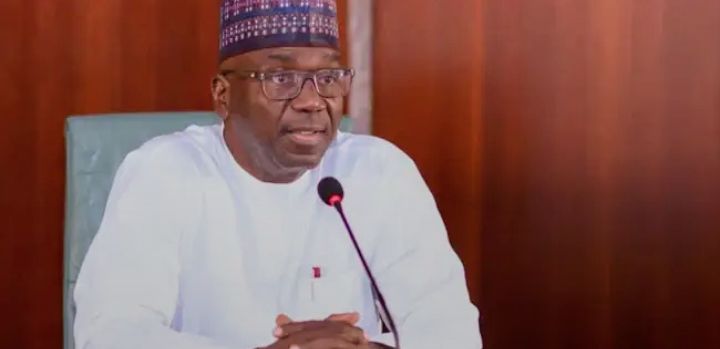
The Kwara State Government has commenced the payment of outstanding gratuities to retired local government and Local Government Education Authority (LGEA) workers who left service between 2018 and 2019, following the release of more than N2bn for the exercise.
The Chairman of the Kwara State Local Government Staff Pension Board and Executive Chairman of the Local Government Service Commission, Umar Danladi Shero, disclosed this on Monday while briefing journalists in Ilorin on developments in the commission and efforts to settle outstanding pension obligations.
Shero said beneficiaries who retired between 2018 and 2019 had started receiving their entitlements following the completion of the necessary verification and screening exercises.
He described the latest disbursement as another step in the state government’s efforts to clear inherited gratuity liabilities and improve the welfare of retired local government workers.
“The payment exercise is part of the ongoing efforts to clear inherited gratuity liabilities from the past administration,” he said.
The pension board chairman also disclosed that the government had spent more than N7bn on gratuity payments to retired local government and LGEA workers who left service between 2011 and 2017.
According to him, the amount was expended between July and October, while the latest release of more than N2bn had extended the payment exercise to retirees from 2018 and 2019.
Shero commended Governor AbdulRahman AbdulRazaq for his support and interventions in addressing pension obligations and improving the welfare of retired workers in the state.
He said the governor’s continued commitment had created an enabling environment for sustained pension administration, regular pension payments and the gradual settlement of outstanding gratuity obligations inherited from previous administrations.
“The Governor’s continued support and intervention have provided the necessary enabling environment for sustained pension administration, regular pension payments and the gradual settlement of outstanding gratuity obligations inherited from previous administrations,” he stated.
Shero assured retirees that the board had put arrangements in place to ensure a transparent and seamless payment process.
He added that payments would be made directly into beneficiaries’ designated bank accounts, urging retirees to remain patient and cooperate with the board where necessary.
The chairman reaffirmed the board’s commitment to ensuring that all verified and eligible retirees received their entitlements, stressing that the payment exercise would continue in an orderly and transparent manner.
He also assured beneficiaries that the government’s objective was to ensure that no eligible pensioner was left behind as efforts continued to clear outstanding gratuity liabilities.
The latest disbursement comes amid the state government’s ongoing efforts to settle years of accumulated gratuity arrears owed to retired local government workers.
In October 2025, the Commissioner for Finance, Dr Hauwa Nuhu, disclosed that the government had inherited more than N19bn in local government gratuity liabilities dating back to 2009, out of which N12bn had been paid.
Nuhu also said gratuities for local government workers had been cleared up to 2011, while N2.5bn had been earmarked for arrears covering the 2012 to 2014 period.
The state government had earlier disclosed that it increased monthly releases for gratuity payments from N20m to N100m after assuming office in 2019 as part of efforts to gradually clear the inherited backlog.







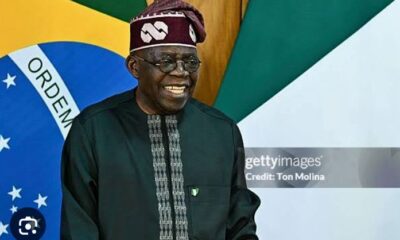

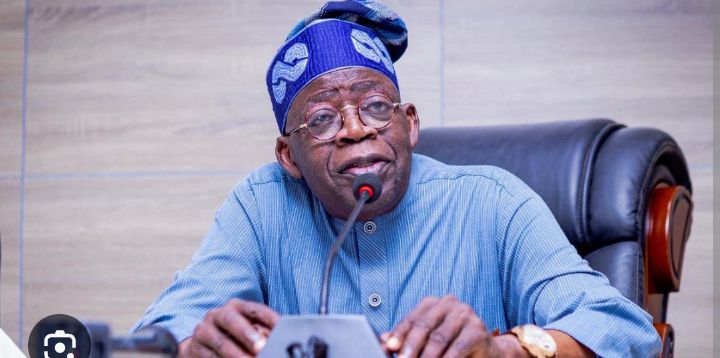
President Bola Tinubu has asked the House of Representatives to approve the revised and consolidated Laws of the Federation of Nigeria (LFN 2025), following a review that identified 268 obsolete, spent or repealed federal enactments for removal.
The exercise also recommended the retention of 664 principal laws as part of efforts to modernise Nigeria’s legal framework and make federal legislation more coherent, accessible and relevant to current realities.
The Speaker of the House of Representatives, Tajudeen Abbas, read the President’s letter, dated November 18, 2026, during plenary on Tuesday.
The letter, titled ‘Transmission of the Revised and Consolidated Compendium of the Laws of the Federation of Nigeria (LFN 2025) for Consideration and Approval’, was submitted following the recommendations of a technical committee established under the supervision of the Attorney-General of the Federation and Minister of Justice, Lateef Fagbemi.
Tinubu said the review was necessary because the last official consolidation of Nigeria’s federal laws was conducted in 2004, more than two decades ago.
He noted that the country had experienced significant legislative, constitutional, institutional and technological developments since then, resulting in the enactment of new laws, amendments to existing statutes and an increase in subsidiary legislation.
In the letter addressed to the Speaker, the President said the updated compendium would provide a more organised and reliable reference for federal laws.
“I write to formally inform you of the conclusion of the review, update and consolidation of the Laws of the Federation of Nigeria, and to forward herewith the proposed Revised compendium of the Laws of the Federation of Nigeria (LFN 2025) for the kind consideration and approval of the House of Representatives of the Federal Republic of Nigeria,” he stated.
The President disclosed that a specialised committee was established on October 24, 2024, to undertake a comprehensive review of federal legislation.
According to him, the committee was mandated to identify obsolete and spent enactments, address inconsistencies and overlaps in existing statutes, and produce an authoritative and updated edition of the country’s laws.
Tinubu said the committee examined 932 federal enactments and 731 subsidiary legislations before recommending 664 principal enactments for inclusion in the revised compendium, while identifying 268 enactments for removal.
He explained that the review involved extensive legal research, technical consultations, editorial scrutiny and quality assurance to ensure the accuracy and reliability of the revised laws.
The President further stressed that an updated and accessible collection of federal legislation was essential to Nigeria’s democratic and economic development.
“An updated, accurate, and easily accessible compendium of Federal laws is indispensable to our democratic and economic growth,” he said.
Tinubu added that upon approval, the LFN 2025 would serve as a reliable legal reference for the judiciary, legal practitioners, government institutions, domestic and foreign investors, as well as members of the public.
He said the revised compendium was expected to strengthen legal certainty, improve institutional efficiency and enhance public confidence in the justice system.
The President described the exercise as a major achievement under his administration’s Renewed Hope Agenda, particularly its commitment to justice sector reforms, strengthening the rule of law and creating a legal framework that supports national development.
He consequently urged the House of Representatives to expedite consideration and approval of the revised compendium, stressing its importance to effective governance and the administration of justice in the country.
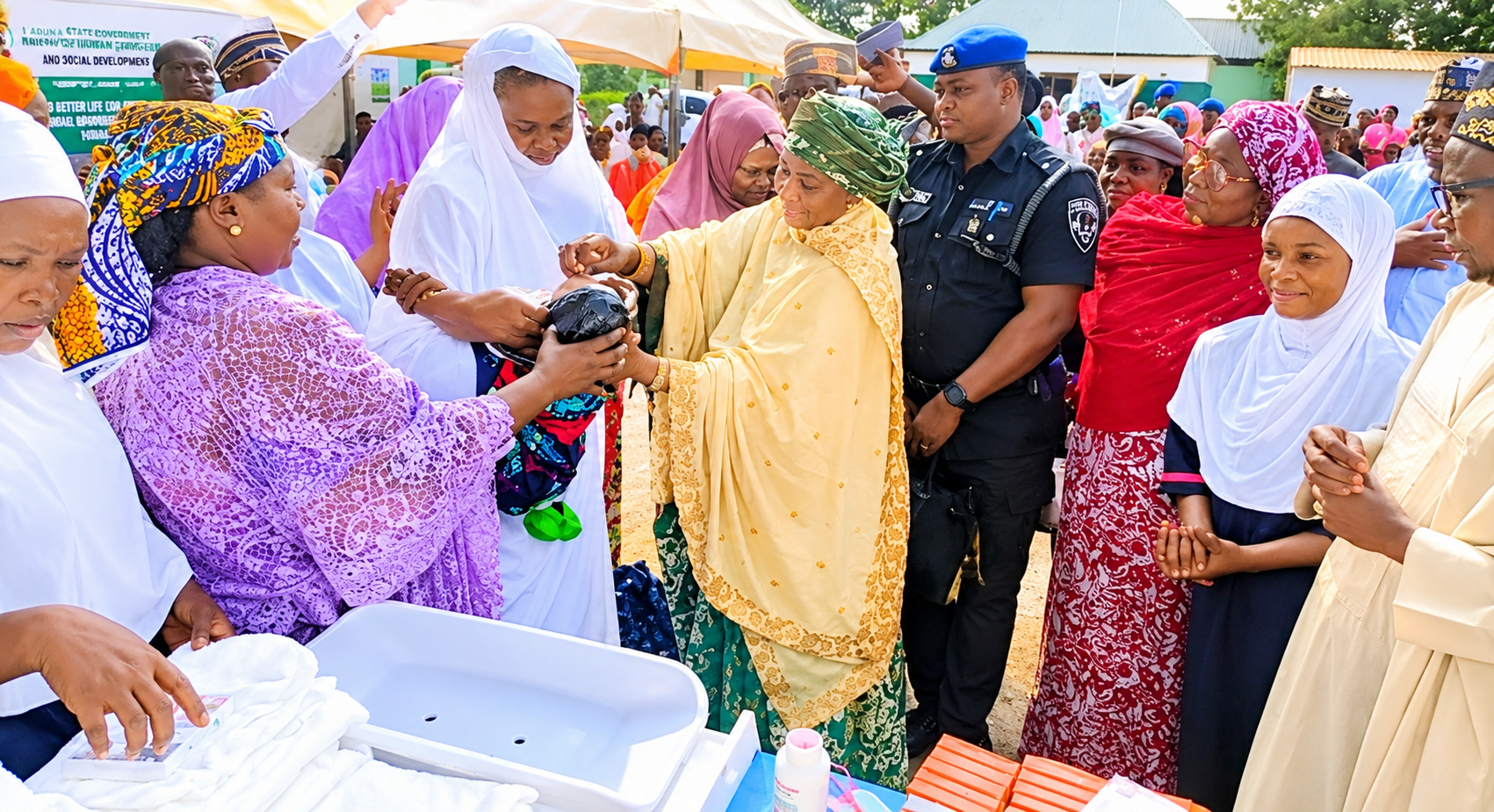
The Bauchi State Government has targeted 1,557,500 children aged between six and 59 months for vitamin A supplementation in the second round of the 2026 Maternal, Newborn and Child Health Week (MNCHW) campaign.
The exercise, flagged off on Monday by the Bauchi State Primary Health Care Development Board, will also provide 36,000 bottles of multiple micronutrient supplements to pregnant women as part of efforts to improve maternal and child health.
Speaking at the flag-off ceremony, the Executive Chairman of the board, Dr Rilwanu Mohammed, disclosed that the state recorded 99 per cent coverage in vitamin A supplementation during the first round of the 2026 campaign.
Mohammed described the achievement as encouraging, commending health workers, community mobilisers and development partners for their contributions to the successful implementation of the programme.
“During the first round of the 2026 MNCHW, our results were encouraging. The state attained 99 per cent coverage in vitamin A supplementation, demonstrating the commitment of our health workers, community mobilisers and partners.
“I commend everyone who contributed to this achievement and urge us to sustain this momentum,” he said.
He explained that the interventions were designed to address micronutrient deficiencies, strengthen immunity, support healthy child development and improve maternal nutrition.
However, the chairman expressed concern over some maternal and child health indicators in the state, revealing that antenatal care coverage by skilled providers stood at 61 per cent, while facility delivery and skilled birth attendance were recorded at 42.1 per cent and 40.9 per cent, respectively.
He also disclosed that Penta 3 immunisation coverage had declined to 44.1 per cent, stressing the need for intensified efforts to improve access to essential maternal and child healthcare services.
Mohammed commended Helen Keller International, UNICEF, the World Health Organisation and other development partners for supporting the state’s healthcare interventions.
He further revealed that Bauchi State recorded 68 per cent coverage during the recent Human Papillomavirus vaccination intensification exercise, ranking second nationally after Lagos State.
The chairman urged health workers, traditional and religious leaders, community mobilisers, civil society organisations and the media to intensify public awareness and mobilisation to ensure that all eligible children and pregnant women benefited from the campaign.
In her remarks, the Bauchi State First Lady, Aisha Mohammed, said preventable maternal and childhood illnesses and deaths remained major public health challenges requiring sustained interventions.
She described the campaign as an important opportunity to deliver essential healthcare services to women and children, particularly those living in underserved and hard-to-reach communities.
The First Lady urged mothers and caregivers to take advantage of the exercise by ensuring that eligible children received routine immunisation, vitamin A supplementation, deworming and other nutritional interventions.
She also advised pregnant women to attend antenatal clinics regularly, deliver under the care of skilled birth attendants and seek medical attention whenever necessary.
“As the First Lady of Bauchi State, I remain committed to promoting women’s health, child protection, family welfare and the well-being of vulnerable members of our society.
“We must work together to ensure that no mother is left behind, no child is denied essential healthcare, and no community is excluded from these life-saving interventions,” she said.
She subsequently declared the second round of the 2026 Maternal, Newborn and Child Health Week campaign open.
In a goodwill message, the UNICEF Chief of Bauchi Field Office, Nuzhat Rafique, commended the state government for its continued commitment to improving maternal and child health through the timely implementation of the programme.
Rafique, who was represented by the Health Specialist, Dr David Audu, described the campaign as one of the most effective platforms for delivering integrated, life-saving interventions to vulnerable populations.
She disclosed that UNICEF had provided more than 1.5 million doses of vitamin A supplements, alongside additional implementation support, to strengthen service delivery and improve coverage across the state.
According to her, children aged between six and 59 months would benefit from vitamin A supplementation, deworming, nutritional screening and referral services, while pregnant women would receive multiple micronutrient supplements and other essential maternal health interventions.
She explained that vitamin A played a critical role in children’s growth and immunity, warning that deficiency could cause preventable childhood blindness and increase the risk of severe infections and death from diseases such as diarrhoea and measles.
“Evidence shows that periodic high-dose vitamin A supplementation is a cost-effective intervention capable of reducing child mortality by between 12 and 24 per cent, making it a critical investment in child survival,” she said.
The UNICEF representative called on parents, caregivers, community and religious leaders, as well as the media, to support mobilisation efforts and ensure that every eligible child and pregnant woman accessed the services.
The second round of the campaign is expected to strengthen access to essential nutrition and healthcare interventions, particularly among vulnerable families and communities across Bauchi State.
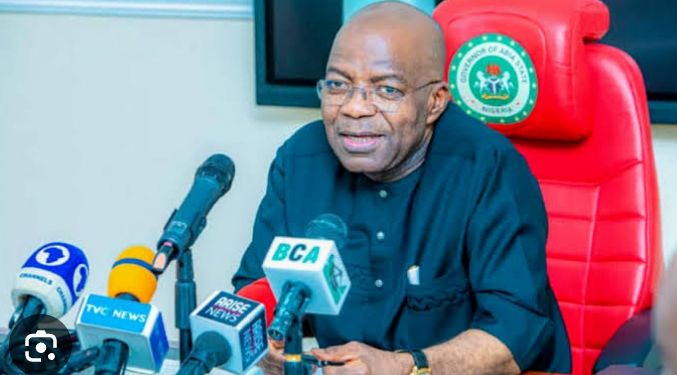
Abia State Governor, Alex Otti, has sought a comprehensive partnership with China Harbour Engineering Company Limited (CHEC) for the development of the proposed Azumini–Obeaku Seaport and Inland Waterways Corridor, expressing the state government’s preference for a long-term investment arrangement covering feasibility studies, construction and eventual delivery of the project.
Otti said his administration was more interested in establishing a strategic partnership with the Chinese engineering firm than engaging it solely as a consultant for the proposed seaport.
The governor made this known on Monday while receiving a delegation led by CHEC’s Managing Director, Wang Jason, who presented preliminary findings and proposals for the project.
He emphasised that the state expected honest, professional and independent recommendations from the company, noting that the feasibility study would determine the project’s viability and the most appropriate technical and investment approach.
“I am sure that my people will be engaging with you. But I know they need some clarifications.
“So, my preference would have been a partnership that takes off from the feasibility, to the construction and ultimately delivery,” Otti said.
The governor described the proposed arrangement as a genuine public-private partnership, assuring CHEC that his administration was committed to transparency, integrity and mutually beneficial business relationships.
According to him, the state would provide a credible environment for investors and ensure that agreements reached with development partners were respected.
“So in that case, it’s a real public-private partnership transaction. The major things you have said are also what we believe in. We don’t play games, we don’t cheat people.
“So, if you are in partnership with us, you can be sure that you can go to bed and sleep,” he added.
Otti said he was encouraged by CHEC’s preliminary presentation but noted that further engagements would be necessary to address technical, financial and commercial details of the proposed partnership.
He disclosed that other prospective investors, including the African Export-Import Bank (Afreximbank), had also expressed interest in the project.
However, he explained that the level of participation of interested investors would depend on the outcome of the feasibility study.
The governor assured the Chinese firm of his administration’s willingness to provide the necessary support for the successful implementation of the project, while stressing that such a major infrastructure development required patience, strategic planning, technical expertise and long-term commitment.
He expressed optimism that the proposed seaport, when integrated with other infrastructure and economic activities, would significantly transform Abia’s economic landscape.
Otti also highlighted his administration’s commitment to sustainable development, revealing that the state had enacted a 25-year development plan into law to guarantee continuity in governance and infrastructure projects beyond successive administrations.
Earlier, Jason described the proposed seaport project as viable and capable of contributing significantly to the economic development of Abia State.
He explained that the proposal was an integrated infrastructure development master plan, adding that the feasibility study would determine the most suitable port design, technical specifications and water depth requirements for the proposed location.
Jason said the study would help identify the most economically and technically appropriate option for the area.
“I want to say that, for this project or this concept, it is an integrated infrastructure development master plan.
“As you said, from this presentation, it’s viable. The only thing we need to verify is what kind of port or what depth will be more viable. That doesn’t mean we don’t have an available option.
“We need to use a feasibility study to find out the most viable, most suitable solution for this area. So, that’s the reason. Generally, if I don’t believe this one is possible anyway, I won’t want to be involved,” he said.
The CHEC managing director said the company had considerable experience in feasibility studies and port infrastructure development but was more interested in establishing a long-term working relationship with Abia State.
He maintained that the company’s objective went beyond consultancy services to include possible participation in the project’s future development and delivery.
“Certainly, for China Harbour, this feasibility study, we are good at it; it is our major business, and we have to do a good job. But we are not focused on this, on the consultancy work. We wish to have a long-term cooperation with Abia State for the future development and delivery.
“But for the detailed cooperation model, the business model, I think after the feasibility study, we can continue the discussion. I think it will be more serious for me to express our position,” Jason stated.
Jason also expressed satisfaction with Aba’s economic importance, describing the commercial city as a major hub in Nigeria and expressing confidence in its capacity to support the proposed integrated infrastructure development.
Proposed Seaport to Boost South-East Trade
The proposed seaport is part of the Abia State Government’s broader strategy to improve maritime access for the South-East and strengthen the region’s trade, manufacturing and logistics capacity.
Identified as the Azumini–Obeaku Seaport and Inland Waterways Corridor, the project is located in the Azumini area of Ukwa East Local Government Area of Abia State.
When completed, the proposed facility is expected to serve as a maritime gateway for Aba’s industrial and commercial activities, potentially reducing the cost of transporting goods for manufacturers and businesses across the region.
It is also expected to create a logistics corridor connecting the South-East to international markets, improving the movement of goods and opening new economic opportunities for businesses.
Otti had earlier approved a feasibility study for the project in May 2026, directing CHEC to accelerate the process.
The study is expected to examine the project’s technical, economic and environmental requirements, including the dredging necessary to make the proposed waterway navigable.
Its findings will determine the project’s overall viability, appropriate port specifications and the investment and construction model required for implementation.
The governor was accompanied at Monday’s meeting by the Secretary to the State Government, Dr Emmanuel Meribeole, and other members of the State Executive Council.
-
 Security4 months ago
NDLEA Declares Alleged Drug Kingpin, Three Associates Wanted, Freezes ₦9.8bn Linked to Syndicate
-
 National Affairs4 months ago
ICPC Uncovers 908 Suspected Ghost Workers Across 50 Federal MDAs, Recovers ₦942 Million
-

 Judiciary | Public Safety4 months ago
INEC Tells Court Voter Information Is Not Confidential in Emeka Ike’s ₦10bn Lawsuit
-

 Business/Finance4 months ago
How to Apply for Tunde Onakoya’s ₦250 Million Scholarship Programme and Free Laptop Offer
-
 Politics4 months ago
Atiku Challenges Tinubu to Reveal Details of ₦15.13bn SUV Procurement in 2026 Budget
-
 Judiciary | Public Safety4 months ago
Court to Rule Friday on NDLEA’s Bid to Destroy ₦480bn Meth Lab in Ogun
-
 News4 months ago
2026 Budget: FG Earmarks ₦962.83bn for SUVs, Empowerment Projects Amid Debt Concerns
-
 Security4 months ago
Family Paid ₦50 Million Ransom to Secure Release of Abducted Kebbi Judge