
Politics
El-Rufai Denies Tapping Ribadu’s Phone, Says He Lacks Equipment

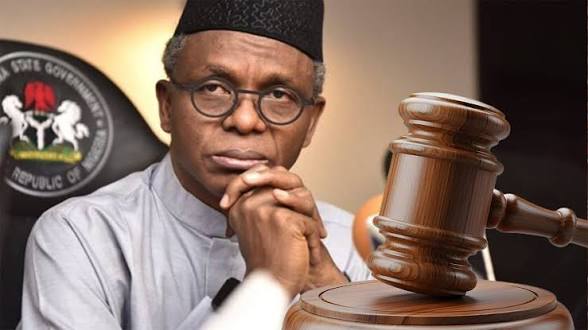
Former Kaduna State Governor Nasir El-Rufai has denied intercepting the telephone communications of National Security Adviser (NSA), Nuhu Ribadu, telling a Federal High Court in Abuja that he neither possesses the equipment nor has the technical knowledge required to carry out telephone surveillance.
El-Rufai made the declaration on Wednesday, November 25, 2026, as he opened his defence in the ongoing criminal trial over the alleged unlawful interception of Ribadu’s telephone communications.
Led in evidence by his counsel, Paul Erokoro, SAN, the former governor also denied asking anyone to intercept the NSA’s calls or having access to Ribadu’s communication networks and personal devices.
He maintained that his controversial comments during an interview on Arise Television in February were political rhetoric and should not be interpreted as an admission that he personally participated in phone tapping.
The case originated from an interview El-Rufai granted Arise Television’s Prime Time programme on February 13, 2026.
During the interview, the former governor alleged that Ribadu had instructed security operatives to arrest him.
When the interviewer asked how he knew the NSA had allegedly made the call, El-Rufai responded:
“He made the call because we listen to their calls. The government thinks that they’re the only ones that listen to calls, but we also have our ways.”
When pressed on whether Ribadu’s telephone had been tapped, he added that someone had intercepted the NSA’s phone and relayed the conversation to him.
The comments generated widespread controversy, with government officials calling for an investigation into the alleged interception of the NSA’s communications.
However, while opening his defence in court, El-Rufai offered a different explanation of the statement, insisting that his choice of words was deliberate political exaggeration rather than a factual admission.
“I used ‘we’ to refer to opposition politicians. When I said ‘tapped’, it was an embellishment intended to make the government feel the pain we are feeling.
“It was rhetorical and exaggerated. My objective was to engage in political retort and linguistic flourish,” he told the court.
He maintained that he had no personal involvement in intercepting Ribadu’s telephone conversations.
El-Rufai is standing trial on a five-count amended charge filed by the Department of State Services (DSS) over allegations relating to the unlawful interception of the NSA’s telephone communications.
The prosecution closed its case after presenting two witnesses, including a DSS operative and human rights lawyer Deji Adeyanju.
During the proceedings, the prosecution relied on oral and documentary evidence, including the recording of El-Rufai’s February television interview.
Adeyanju, who testified as a prosecution witness, told the court about the former governor’s remarks concerning the interception of Ribadu’s telephone conversations.
The prosecution argued that the evidence established a prima facie case requiring El-Rufai to respond to the allegations.
Following the closure of the prosecution’s case, the former governor filed a no-case submission, asking the court to discharge and acquit him on the grounds that the evidence presented was insufficient to warrant a defence.
On October 26, 2026, Justice Joyce Abdulmalik of the Federal High Court in Abuja dismissed El-Rufai’s no-case submission.
The judge held that the prosecution had presented sufficient evidence to require the former governor to enter his defence if he wished to challenge the allegations.
The ruling did not establish his guilt. Rather, it meant that the case had reached a stage where the defendant was required to respond to the evidence presented by the prosecution.
The court subsequently fixed November 25 for the commencement of his defence.
El-Rufai has now begun presenting his account, disputing the prosecution’s interpretation of his February interview and denying that he possessed the equipment or technical ability to intercept telephone communications.
The proceedings raise important questions about the interpretation of public statements, the legal responsibilities surrounding unlawful interception of communications and the evidence required to establish criminal liability.
At the centre of the dispute is whether El-Rufai’s February remarks, considered alongside the prosecution’s other evidence, establish his involvement in the alleged interception or whether his explanation of political rhetoric can successfully challenge the prosecution’s case.
The court will have to assess the evidence presented by both sides, including the televised interview, witness testimony and El-Rufai’s defence.
For now, the former governor has maintained his denial, insisting that he neither carried out nor directed the interception of the NSA’s telephone communications.
The case remains before the Federal High Court, and no final judgment has been delivered.



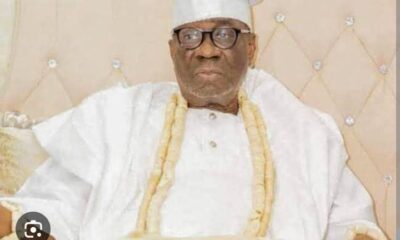






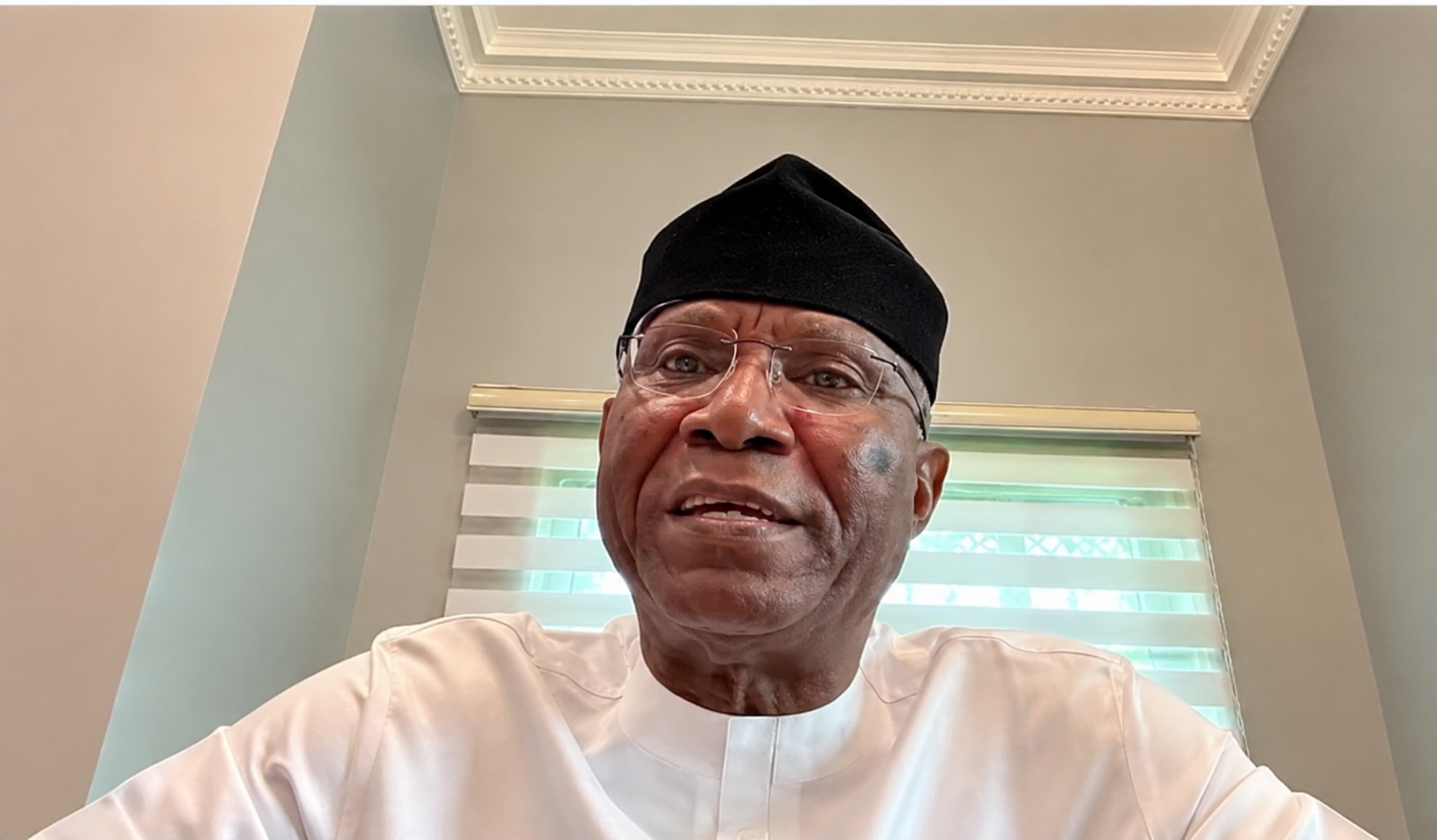
In a major setback for the Nigeria Democratic Congress (NDC), the Federal High Court sitting in Warri, Delta State, has nullified the nomination of former Deputy Senate President, Senator Ovie Omo-Agege, as the party’s candidate for Delta Central Senatorial District in the 2027 general elections.
The court, presided over by Justice Hyeladzira Ajiya Nganjiwa, on Tuesday, November 24, 2026, directed the Independent National Electoral Commission (INEC) to remove Omo-Agege’s name from its list of candidates and restrained him from presenting himself as the NDC senatorial candidate.
The judgment came barely 24 hours after Omo-Agege survived a deadly attack on his campaign entourage in Uduere community, Ughelli North Local Government Area, where four people were reportedly killed and several others injured.
Although the two developments are unrelated legal and security matters, their timing places the NDC candidate at the centre of two major developments within 24 hours.
The judgment followed a suit instituted by Professor Alexander Osondu Akpodiete, marked FHC/WR/CS/120/2026.
The plaintiff challenged the validity of Omo-Agege’s nomination, raising issues concerning his resignation from the All Progressives Congress (APC), his membership of the NDC and his eligibility to participate in the party’s senatorial primary.
Delivering judgment, Justice Nganjiwa dismissed five preliminary objections raised by Omo-Agege, the NDC and INEC, which had challenged the competence of the suit.
The court subsequently ruled that the NDC failed to comply with mandatory provisions of the Electoral Act concerning the submission of political party membership registers to INEC before conducting primary elections.
Specifically, the judge found that Omo-Agege’s name was absent from the NDC membership register submitted to INEC at least 21 days before the party conducted its primary election.
The court also held that the NDC failed to provide credible evidence demonstrating that the membership register was subsequently updated and resubmitted within the legally prescribed period.
According to the judgment, only individuals whose names appear in a political party’s properly submitted membership register are eligible to participate in its primary elections.
Court Cites Omo-Agege’s Participation in APC Primary
Another significant issue considered by the court was Omo-Agege’s participation in the APC senatorial primary conducted on May 18, 2026.
Relying on INEC’s revised electoral timetable, Justice Nganjiwa noted that Omo-Agege participated in the APC primary at a time relevant to the dispute over his party membership.
The court held that his participation established that he was still an APC member at the material time, raising questions about the validity of his subsequent participation in the NDC primary.
The judge maintained that political party nominations must strictly comply with statutory requirements and that a candidate cannot be validly nominated through a process that violates the Electoral Act.
The court also addressed an affidavit that had previously been withdrawn from the proceedings, ruling that once an affidavit is formally withdrawn, it ceases to form part of the court record and cannot be relied upon in determining the case.
Judgment Follows Deadly Attack on Omo-Agege’s Campaign Team
The court decision comes against the backdrop of Monday’s deadly attack on Omo-Agege’s campaign entourage in Uduere, Ughelli North.
Gunmen reportedly opened fire during the campaign visit, leaving four people dead and several others injured.
Omo-Agege escaped unharmed and subsequently accused police officers present during the incident of failing to protect him and his supporters.
Describing the conduct of the officers, he said they did not intervene during the shooting and likened their alleged inaction to supervising his execution.
The attack prompted renewed concerns about political violence and the safety of candidates and supporters as political activities ahead of the 2027 elections continue.
The Delta State Police Command announced that investigations had commenced and that security operations would be intensified in the affected area.
As of the time of filing this report, responses from Omo-Agege, the NDC and INEC to Tuesday’s judgment had not been obtained by journalists.
It also remained unclear whether the former Deputy Senate President or the party would pursue an appeal against the ruling.
The immediate consequence, however, is that the court has invalidated Omo-Agege’s nomination, ordered INEC to delist him and restrained him from presenting himself as the NDC candidate for Delta Central.
The development leaves the party with a significant electoral and legal challenge as preparations for the 2027 general elections continue.
The full implications of the judgment will depend on any subsequent legal proceedings and the steps taken by INEC to implement the court’s orders.

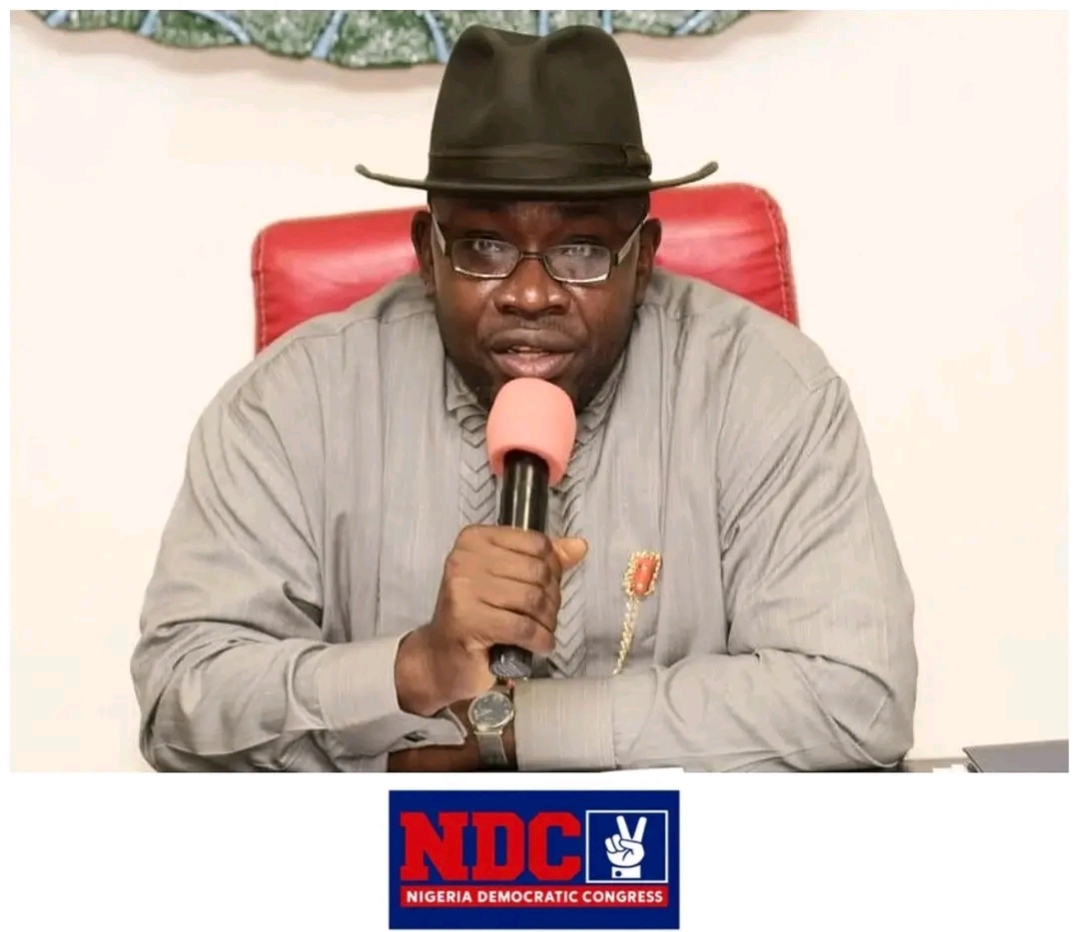
The Nigeria Democratic Congress (NDC) has announced that it will boycott a security meeting convened by the Inspector-General of Police, Olatunji Disu, accusing the Nigeria Police Force of failing to protect its members amid what it describes as escalating political violence across the country.
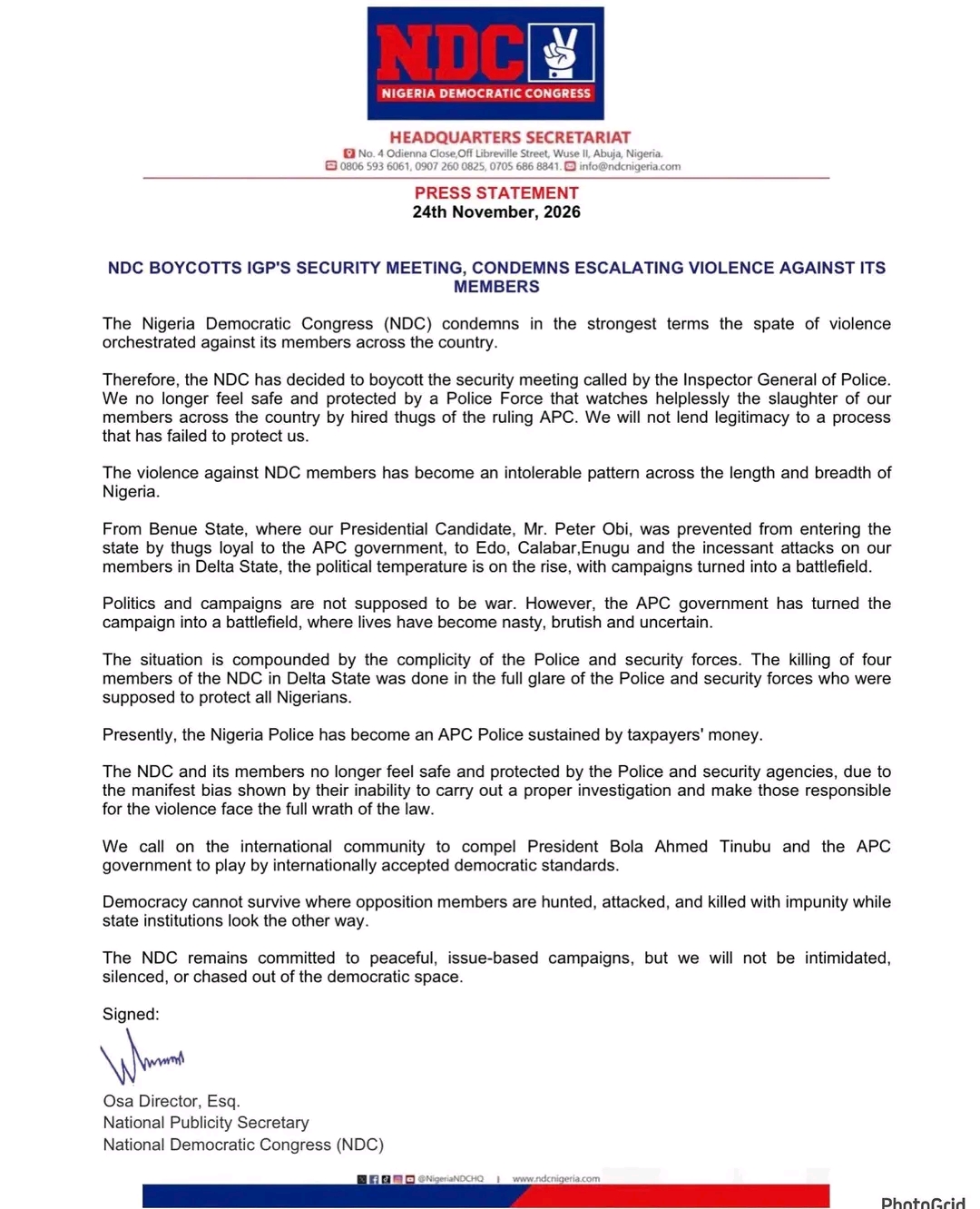 In a press statement dated November 24, 2026, and signed by its National Publicity Secretary, Osa Director, the party said it had lost confidence in the police and would not participate in a meeting it believes could legitimise a security process that had failed to guarantee the safety of its members.
The decision comes a day after four people were reportedly killed during an attack on the campaign team of the party’s Delta Central senatorial candidate, former Deputy Senate President Ovie Omo-Agege, in Uduere community, Ughelli North Local Government Area of Delta State.
Explaining its position, the NDC accused the police of watching helplessly while its members were attacked by individuals it described as hired thugs loyal to the ruling All Progressives Congress (APC).
“We no longer feel safe and protected by a Police Force that watches helplessly the slaughter of our members across the country by hired thugs of the ruling APC. We will not lend legitimacy to a process that has failed to protect us,” the statement read.
The party maintained that its boycott was informed by what it described as a recurring pattern of attacks, inadequate security response and failure to bring alleged perpetrators to justice.
Delta Killings Deepen NDC’s Distrust of Police
The latest attack in Delta State appears to be a major factor behind the party’s decision.
On Monday, November 23, gunmen reportedly opened fire on Omo-Agege’s campaign entourage while he was addressing supporters in Uduere, Ughelli North.
The Omo-Agege Campaign Organisation reported that four people were killed and several others injured. It identified two of the deceased as Moses Anaughe and Akima Efemena Umukoro.
Omo-Agege escaped unhurt, while his campaign organisation described the incident as an attempted assassination.
The NDC, in its latest statement, alleged that the killings occurred in the presence of police officers and other security personnel who were expected to protect those at the gathering.
“The situation is compounded by the complicity of the Police and security forces. The killing of four members of the NDC in Delta State was done in the full glare of the Police and security forces who were supposed to protect all Nigerians,” the party said.
The allegation has placed the conduct of security personnel at the centre of the controversy, particularly following Omo-Agege’s own accusation that police officers present during the shooting failed to intervene.
However, the circumstances surrounding the officers’ response and the alleged failure to prevent the killings remain matters for investigation.
Party Cites Attacks in Several States
Beyond Delta, the NDC listed Benue, Edo, Cross River and Enugu among the states where it said its members and political activities had faced attacks or disruptions.
The party specifically recalled an incident in Benue State in which it alleged that its presidential candidate, Peter Obi, was prevented from entering the state by individuals it described as loyal to the APC-led government.
It also cited reported attacks in Edo, Calabar and Enugu, alongside what it described as repeated assaults on its members in Delta State.
According to the party, the incidents point to a deteriorating security environment for opposition politicians and supporters as political mobilisation ahead of the 2027 general elections continues.
“Politics and campaigns are not supposed to be war. However, the APC government has turned the campaign into a battlefield, where lives have become nasty, brutish and uncertain,” the statement said.
The NDC further accused the police of demonstrating political bias through what it described as inadequate investigations and failure to prosecute those responsible for attacks on its members.
It alleged that the police had effectively become an institution serving the interests of the ruling party, a serious accusation that has not been established by an independent investigation.
Police Had Announced Investigation Into Delta Attack
The NDC’s decision to boycott the meeting comes as the Delta State Police Command says it has commenced action following the deadly attack in Ughelli North.
In a statement reported by Premium Times on November 23, the police said Commissioner of Police Samuel Erale had directed intensified security operations in the affected area and ordered a full-scale investigation.
The police spokesperson, Bright Edafe, said anyone found culpable would face the full weight of the law, irrespective of political affiliation or status.
The command also urged residents to provide credible information to assist the investigation and warned political actors against thuggery, intimidation and the unlawful use of firearms.
The police response establishes that an investigation has been ordered, although its findings and any arrests connected to the attack were not available in the reports reviewed.
The NDC, however, says it has not seen sufficient evidence of credible investigations and accountability for previous attacks to justify its participation in the IGP’s meeting.
NDC Appeals to International Community
The opposition party has also called on the international community to prevail on President Bola Ahmed Tinubu and the APC-led Federal Government to uphold democratic standards and guarantee the safety of opposition politicians.
It warned that democracy would be undermined if opposition members could be attacked or killed without effective intervention and accountability from relevant institutions.
Despite its decision to boycott the police meeting, the NDC said it remained committed to peaceful and issue-based political campaigns.
The party insisted that it would not be intimidated, silenced or forced out of the democratic space.
Security of Political Campaigns Ahead of 2027
The development raises broader questions about the responsibility of security agencies to protect political parties and their supporters, regardless of their political affiliation.
The Inspector-General’s decision to convene a meeting with political parties comes amid concerns about violence, disruptions of campaign activities and threats to public order ahead of the 2027 general elections.
The NDC’s boycott, however, introduces another challenge: how can security agencies build confidence among political parties that believe they have been inadequately protected?
For the police, the immediate priorities include establishing the circumstances surrounding the Delta killings, identifying those responsible, investigating allegations of security personnel failing to intervene and providing credible updates on the outcome.
For political parties, the incidents underline the need to ensure that campaigns remain peaceful and that allegations of violence are reported through lawful channels.
Ultimately, the credibility of Nigeria’s electoral environment will depend not only on the conduct of political parties but also on the ability of security institutions to protect citizens, investigate political violence impartially and hold perpetrators accountable, irrespective of their political connections.
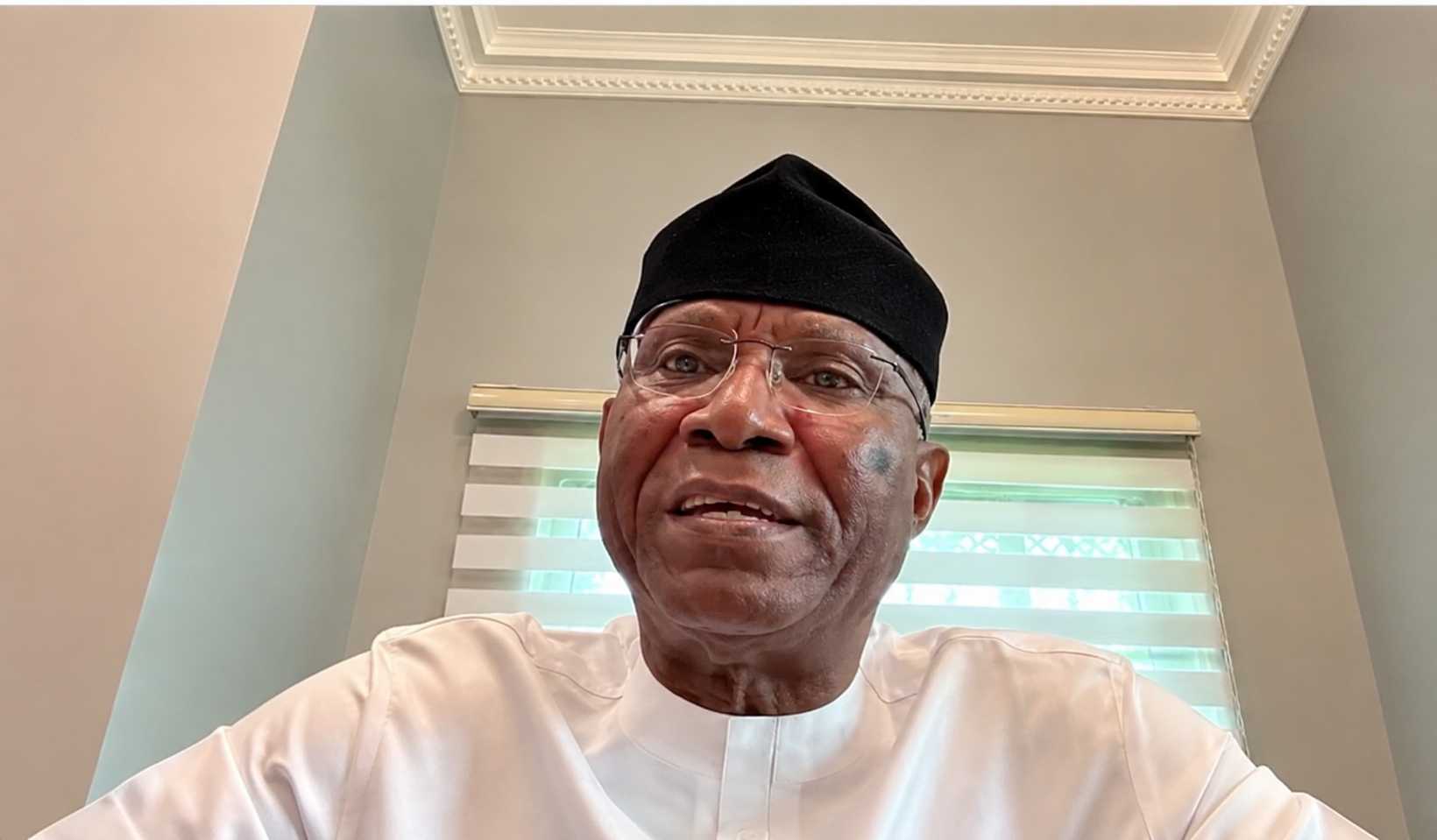
Former Deputy Senate President and Nigeria Democratic Congress (NDC) candidate for Delta Central Senatorial District, Senator Ovie Omo-Agege, has accused police officers deployed to his campaign venue in Delta State of failing to protect him and members of his entourage when gunmen attacked the gathering.
Omo-Agege made the allegation during an appearance on Channels Television’s Politics Today, where he questioned the conduct of security personnel who were reportedly present when the attackers opened fire.
Describing his experience, the former lawmaker said the officers did not fire a shot or make any meaningful attempt to stop the attack.
“Those police officers were there in the course of this shooting. They didn’t even lift a finger; not a gunshot. They didn’t protect me. It was like they were there to supervise my execution,” he said.
His accusation has raised serious questions about the conduct of security personnel at political gatherings and the protection available to candidates and their supporters during campaign activities.
The incident occurred on Monday, November 23, during a campaign visit by Omo-Agege to Uduere community in Ughelli North Local Government Area of Delta State.
According to reports and a statement from his campaign organisation, armed men opened fire on the senator’s entourage while he was addressing supporters.
Four people were reportedly killed, while several others sustained injuries. Among those identified by the campaign organisation were Moses Anaughe and Akima Efemena Umukoro.
Omo-Agege said the attackers repeatedly shouted his name and declared that they wanted to kill him.
He credited his Department of State Services (DSS) escorts with helping him escape unharmed, describing their intervention as decisive in saving his life.
Omo-Agege Calls for Independent Investigation
The NDC candidate has questioned why police personnel reportedly deployed to the venue did not prevent the shooting or protect those under attack.
He has called on the Inspector-General of Police to take direct responsibility for investigating the incident, expressing a lack of confidence in the Delta State Police Command’s ability to handle the matter impartially.
His campaign organisation has also called for an independent investigation into the killings and the alleged failure of security personnel to respond.
The allegations against the police have not, however, been established by an independent investigation. The circumstances surrounding the officers’ deployment and actions during the attack remain important issues for investigators to clarify.
-
 Security4 months ago
NDLEA Declares Alleged Drug Kingpin, Three Associates Wanted, Freezes ₦9.8bn Linked to Syndicate
-
 National Affairs4 months ago
ICPC Uncovers 908 Suspected Ghost Workers Across 50 Federal MDAs, Recovers ₦942 Million
-

 Judiciary | Public Safety4 months ago
INEC Tells Court Voter Information Is Not Confidential in Emeka Ike’s ₦10bn Lawsuit
-

 Business/Finance4 months ago
How to Apply for Tunde Onakoya’s ₦250 Million Scholarship Programme and Free Laptop Offer
-
 Politics4 months ago
Atiku Challenges Tinubu to Reveal Details of ₦15.13bn SUV Procurement in 2026 Budget
-
 Judiciary | Public Safety4 months ago
Court to Rule Friday on NDLEA’s Bid to Destroy ₦480bn Meth Lab in Ogun
-
 Security4 months ago
Family Paid ₦50 Million Ransom to Secure Release of Abducted Kebbi Judge
-
 News4 months ago
2026 Budget: FG Earmarks ₦962.83bn for SUVs, Empowerment Projects Amid Debt Concerns