
World News | International Affairs
Israel Says It Has Killed Hamas Commander Walid Haniyeh in Targeted Operation

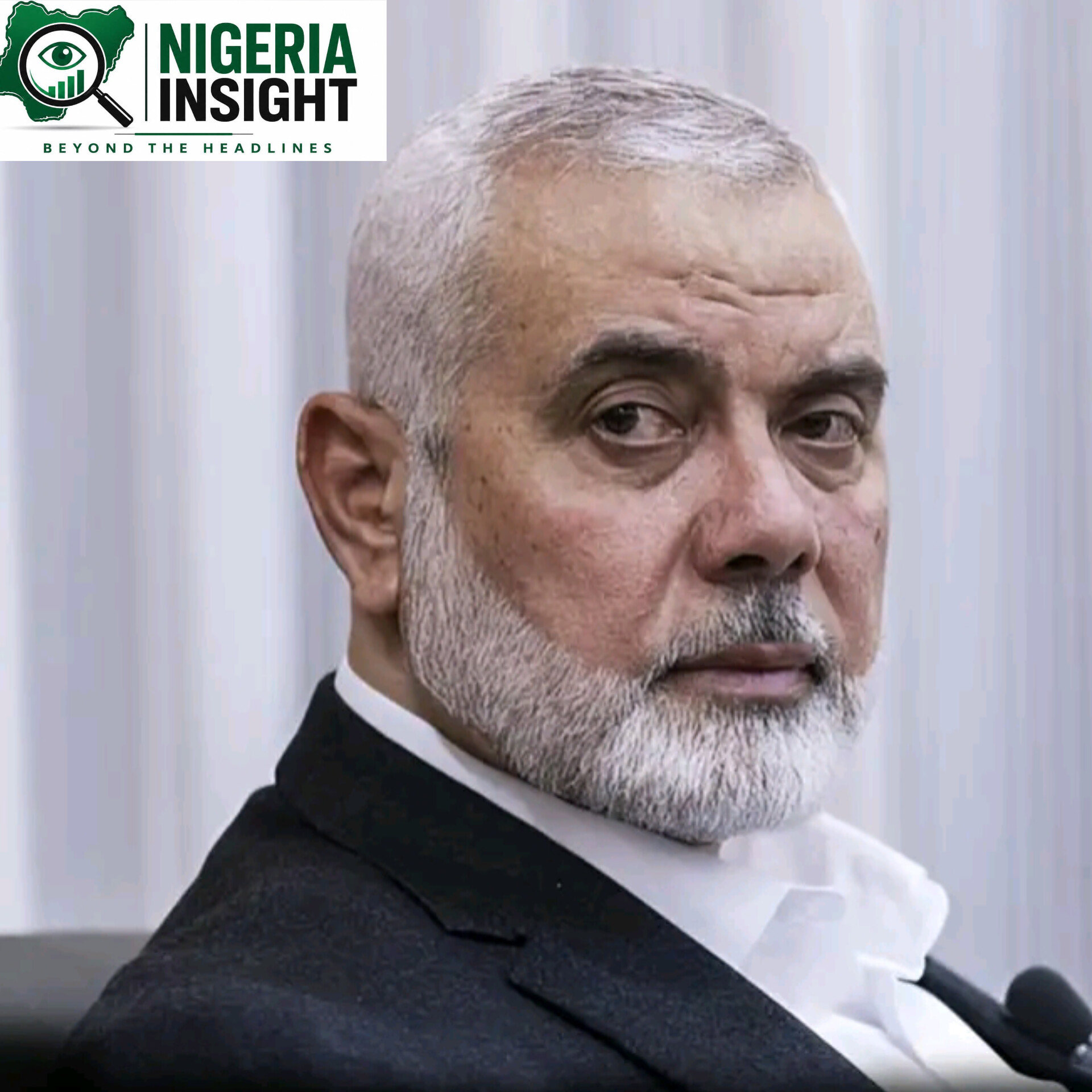
The Israeli military has announced the killing of Walid Haniyeh, whom it identified as a deputy commander in Hamas’ elite Nukhba force, during what it described as a targeted operation in the Gaza Strip.
In a joint statement, the Israel Defense Forces (IDF) and the Israel Security Agency (Shin Bet) said Haniyeh played a command role during the October 7, 2023 Hamas-led attack on southern Israel.
Israeli authorities alleged that he directed a militant cell that crossed into Israeli territory and was involved in the abduction of civilians into Gaza.
According to the Israeli military, Haniyeh had also been involved in recruiting fighters and overseeing training within Hamas’ military wing before his death.
The IDF said the operation formed part of its ongoing campaign to target Hamas commanders and dismantle the group’s military infrastructure.
Israeli officials have linked Haniyeh to the October 7 attack, during which Hamas fighters killed civilians and soldiers and took hostages into Gaza.
However, Nigeria Insight has not independently verified additional claims circulating on social media regarding specific atrocities allegedly committed by Haniyeh.
At the time of publication, no independent international investigation or court judgment had established those specific allegations.
As of publication, Hamas had not issued an official statement responding to the Israeli announcement regarding Haniyeh’s death.
The killing comes as military operations continue in Gaza despite repeated international calls for a lasting ceasefire and expanded humanitarian access.
The conflict has resulted in significant casualties, widespread displacement and a worsening humanitarian crisis, according to United Nations agencies.
Israel has maintained that its operations are aimed at dismantling Hamas’ military capabilities and preventing future attacks.
Hamas has continued to oppose Israeli military operations, while international mediators have sought to broker ceasefire agreements and secure the release of remaining hostages.
The latest operation underscores the continuing volatility of the conflict and the challenges facing diplomatic efforts to achieve a durable peace in the region.
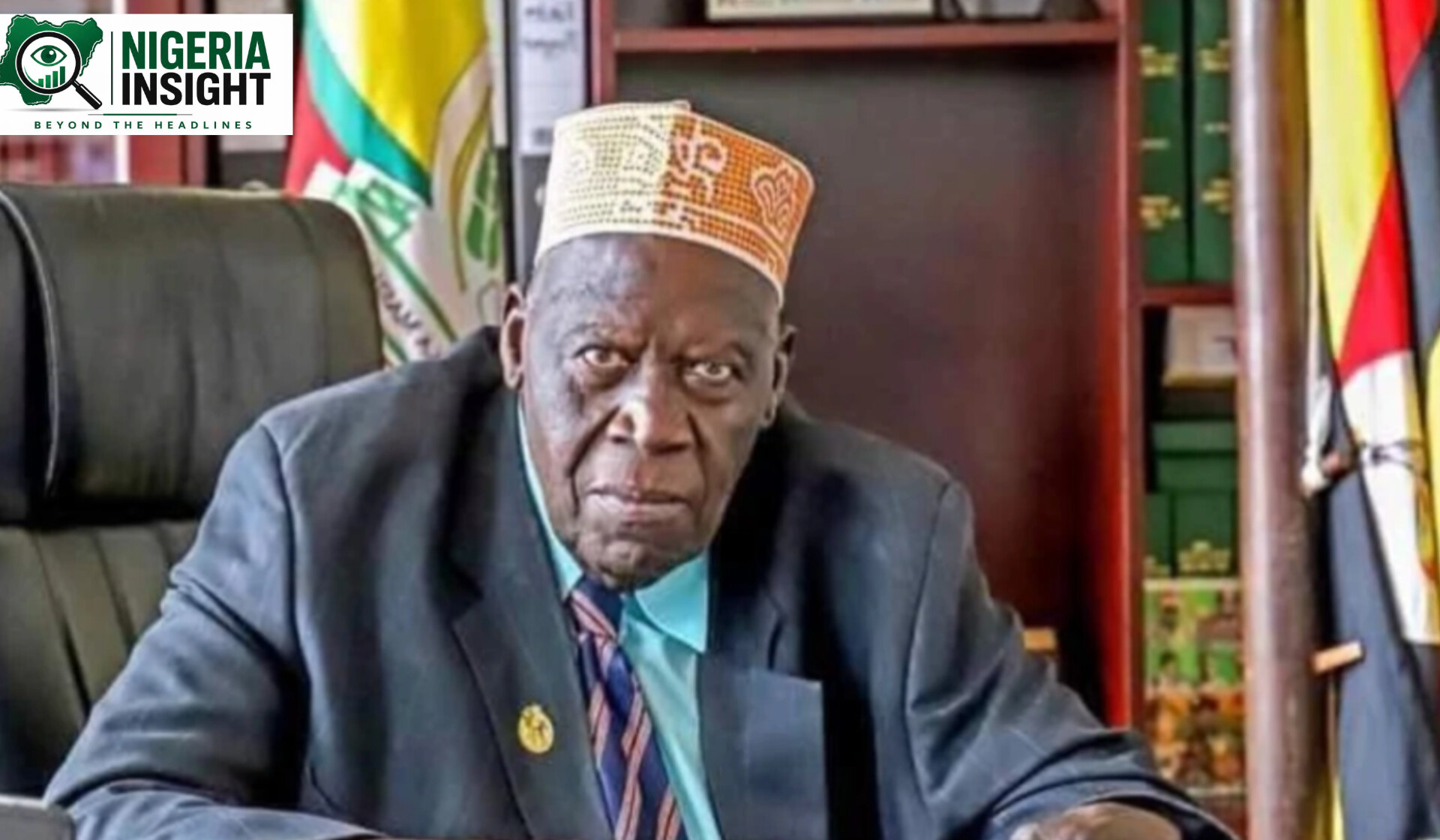
Uganda is mourning the death of veteran politician, retired military officer and Member of Parliament Gen. (Rtd) Moses Ali.
He passed away at the age of 87 after a prolonged public service career that spanned more than five decades.
He died at Nakasero Hospital in Kampala on Saturday after receiving treatment for an undisclosed illness.
Gen. Ali was one of Uganda’s longest-serving political figures, having served under successive governments in various military and civilian capacities.
Until recently, he was the country’s Second Deputy Prime Minister and Deputy Leader of Government Business in Parliament.
He also represented Adjumani West Constituency in Parliament.
Born on April 5, 1939, in present-day Adjumani District, Moses Ali’s career mirrored Uganda’s turbulent political evolution.
He rose through the ranks of the Uganda Army and became a senior military commander during the administration of former President Idi Amin.
Following the collapse of Amin’s government in 1979, Ali went into exile before leading the Uganda National Rescue Front (UNRF), a rebel movement active in the West Nile region.
After reaching a peace agreement with President Yoweri Museveni’s government in 1986, his forces were integrated into the national army.
Ali subsequently returned to public service, serving in several senior cabinet positions over the following decades.
Throughout his career, Gen. Ali held several key ministerial portfolios, including those responsible for disaster preparedness, tourism and sports.
He also served as Third Deputy Prime Minister, First Deputy Prime Minister and later Second Deputy Prime Minister.
Although he was not reappointed to the cabinet following Uganda’s 2026 general elections, he retained his parliamentary seat after winning re-election to represent Adjumani West.
Ugandan leaders and public figures have paid tribute to the late statesman, describing him as a patriot whose contributions to national unity, peace and public service left a lasting mark on the country.
President Museveni described Gen. Ali as a leader who dedicated much of his life to serving Uganda as both a soldier and a politician.
Funeral arrangements are expected to be announced by the government in consultation with his family.
The death of Gen. Moses Ali marks the passing of one of Uganda’s most influential political and military figures.
His career, which spanned multiple governments and major political transitions, reflects a significant chapter in Uganda’s modern history.
World News | International Affairs
Two US Troops Killed, One Missing After Iranian Strike on Jordan Air Base

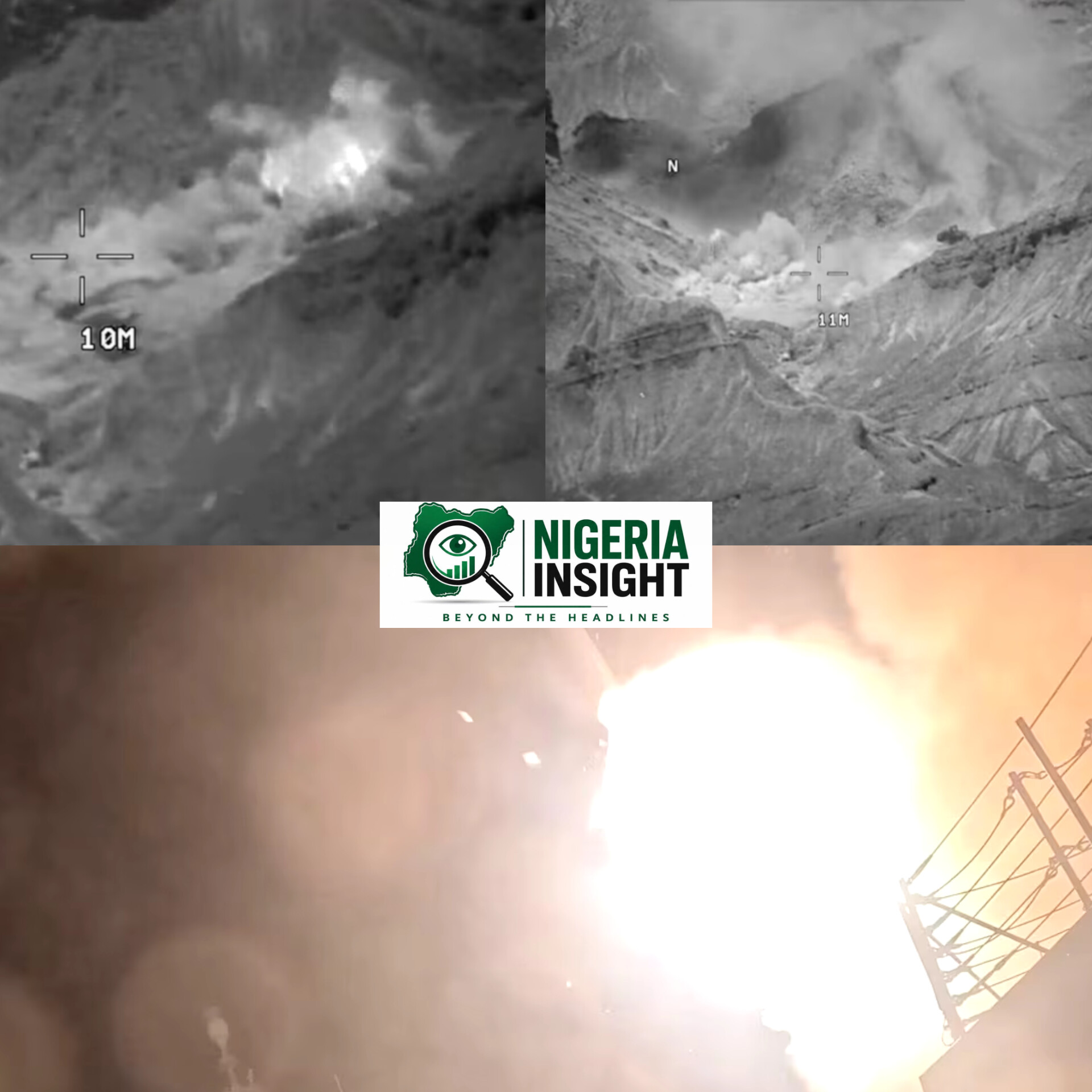
Two United States service members have been killed and another is missing after an Iranian missile and drone attack targeted a military air base in Jordan.
This is marking one of the deadliest direct confrontations between Washington and Tehran in the latest escalation of hostilities.
The attack occurred on Friday as U.S. and allied forces defended the base against a wave of ballistic missiles and drones, according to the U.S. Central Command (CENTCOM).
Four additional American personnel were injured, evacuated to hospitals in Jordan and later discharged after receiving treatment.
Pentagon Confirms Casualties
In a statement, CENTCOM confirmed that two U.S. service members were killed in action while another remains missing.
The military said it is withholding the identities of the fallen personnel until their families have been formally notified.
Conflict Between US and Iran Deepens
The strike comes amid rapidly escalating military exchanges between the United States and Iran following the collapse of recent diplomatic efforts aimed at reducing tensions.
In response to the attack, the U.S. launched fresh airstrikes against targets inside Iran, saying the operation was intended to weaken Iran’s military capabilities and respond to the deaths of American personnel.
Iranian officials have accused Washington of further escalating the conflict and warned of additional retaliation.
Regional Security Concerns Grow
Jordan hosts several military facilities used by U.S. and coalition forces and has become increasingly exposed as the conflict spreads across the Middle East.
Security analysts warn that continued attacks on military installations and critical infrastructure could heighten the risk of a broader regional conflict involving additional countries.
Governments across the region have renewed calls for restraint and diplomatic engagement to prevent further escalation.
The deaths of two American service members represent a significant escalation in the confrontation between the United States and Iran.
As military operations intensify, concerns are growing over the potential humanitarian, economic and geopolitical consequences of a wider regional conflict.
World News | International Affairs
Kuwait Says Iranian Strike Hits Another Power and Water Plant, Raising Regional Tensions
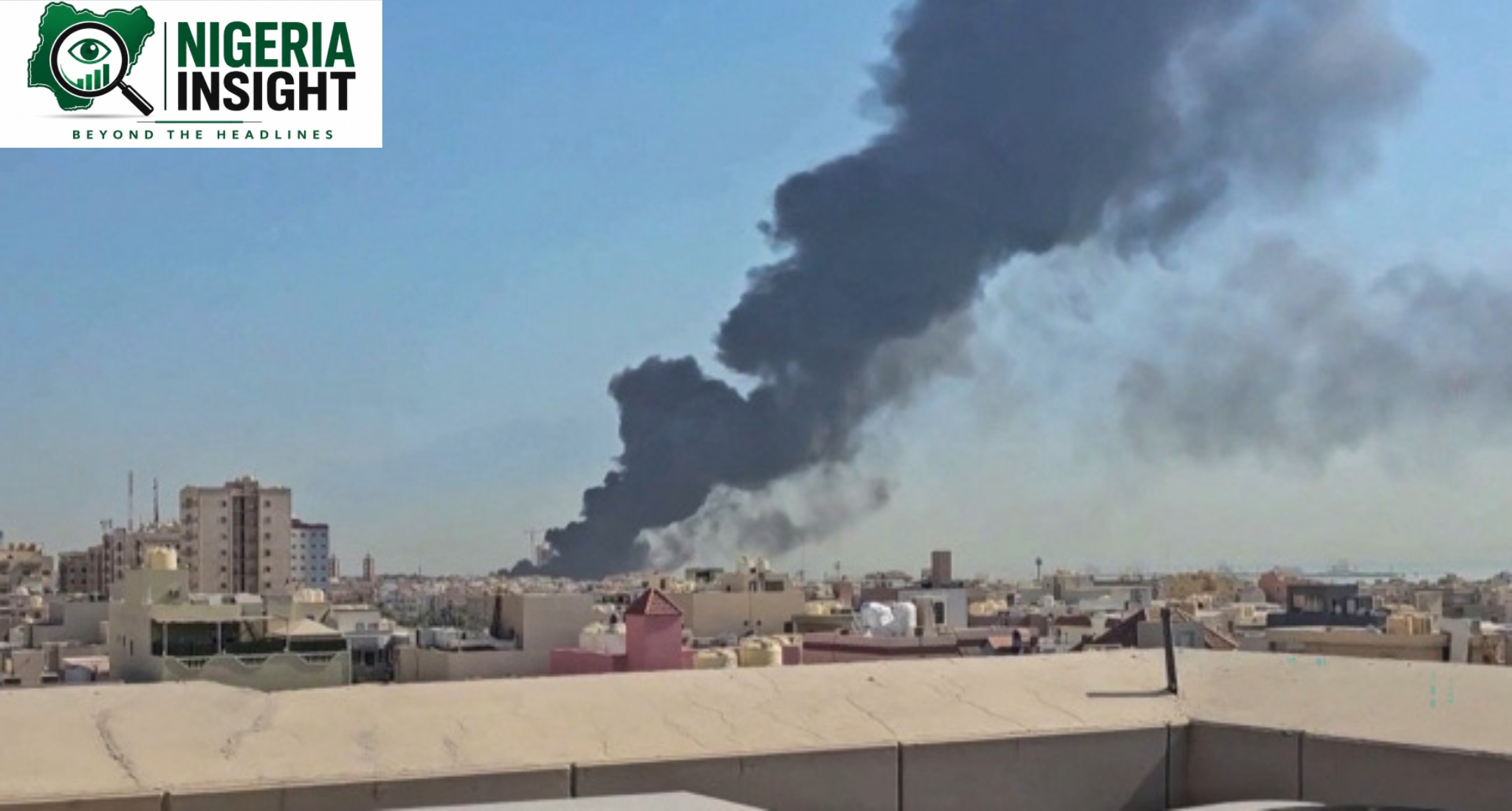
Kuwait has accused Iran of carrying out another strike on one of its electricity and water desalination facilities, saying the latest attack triggered a fire and forced the shutdown of several power generation units, intensifying concerns over the widening conflict in the Gulf region.
The incident comes just one day after Kuwaiti authorities reported a similar attack on critical infrastructure, fuelling fears that vital civilian facilities are increasingly becoming targets as tensions in the Middle East escalate.
According to a statement issued on Saturday by Kuwait’s Ministry of Electricity, Water and Renewable Energy, the latest strike hit an electricity generation and water distillation plant, causing a fire in one of the facility’s components.
“Another electricity and water distillation plant was targeted by a hostile attack that led to a fire erupting in one of the plant’s components,” the ministry said.
Authorities added that the incident led to the temporary deactivation of several electricity generation units as emergency teams worked to contain the fire and assess the extent of the damage.
While officials have not disclosed the full impact of the attack on electricity or water supplies, the incident has heightened concerns about the vulnerability of critical infrastructure across the Gulf.
Kuwait relies heavily on desalination plants to meet its freshwater needs, making such facilities essential to the country’s daily water supply and energy security.
Emergency response teams were deployed to the affected plant, and authorities said technical assessments were underway to restore normal operations as quickly as possible.
The reported strike comes amid heightened military tensions involving Iran and several countries in the region.
Recent weeks have seen an increase in missile and drone attacks targeting military installations, energy infrastructure and strategic facilities, raising fears that the conflict could spread beyond its current theatres.
Analysts warn that attacks on energy and water infrastructure not only threaten national security but also risk disrupting essential services for civilians.
The latest development is expected to intensify calls from the international community for restraint and renewed diplomatic engagement to prevent further escalation.
Security experts have warned that continued attacks on civilian infrastructure could have significant humanitarian and economic consequences, particularly in a region that plays a central role in global energy production and maritime trade.
As of the time of publication, there was no immediate response from Iranian authorities regarding Kuwait’s allegations.
Attacks on electricity and water facilities carry consequences beyond the battlefield.
Damage to critical infrastructure can disrupt essential public services, affect economic activity and increase humanitarian risks for civilian populations.
As tensions continue to rise across the Middle East, the protection of civilian infrastructure remains a key concern for governments and international organization.
-

 Judiciary | Public Safety3 days ago
Analysis: Why Would Mary Habila’s Father Oppose an Autopsy?
-

 Uncategorized23 hours ago
NEMA Urges Residents in Flood-Prone Areas to Relocate as Heavy Rains Intensify
-

 Judiciary | Public Safety2 days ago
Supreme Court Restores Final Forfeiture of Emefiele’s Seven Luxury Properties
-

 Security2 days ago
Kogi Rescues Abducted NECO Candidates as Governor Ododo Reaffirms No-Ransom Policy
-
 Analysis | Security | National Affairs2 days ago
Analysis: Why Military Recruitment Appears Lower in Nigeria’s South-East
-

 Sports13 hours ago
England Edge France 6-4 in World Cup Third-Place Thriller to Secure Bronze Medal
-

 Editorial3 days ago
When Nigeria’s Elite Choose Foreign Classrooms, What Does It Say About Our Universities?
-

 Breaking News1 day ago
US Warns Citizens Against Travel to 23 Countries Over Security Risks