
Politics
Gombe 2027: PDP Aspirant Withdraws Court Case, Declares Support for Pantami

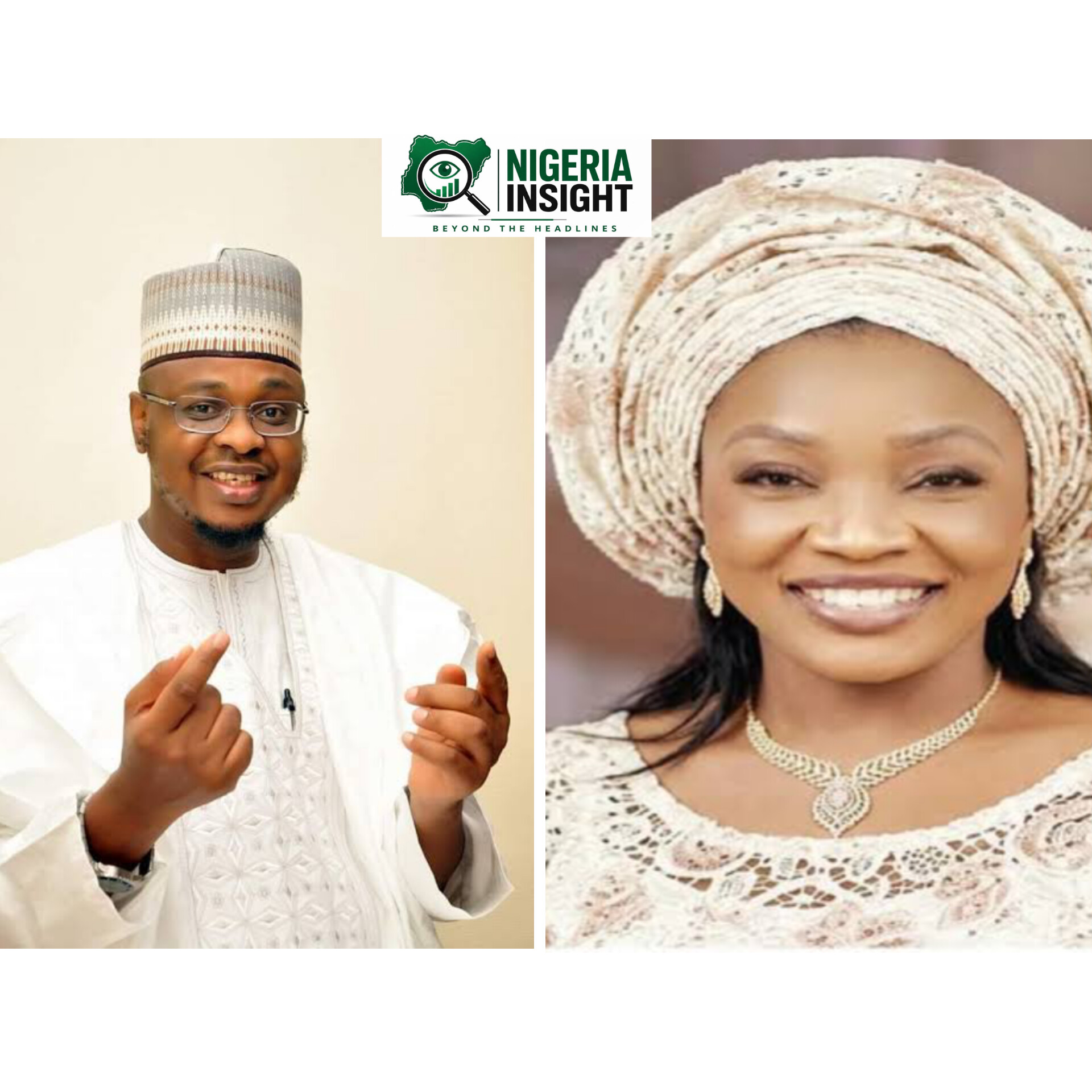
A former governorship aspirant of the Peoples Democratic Party (PDP) in Gombe State, Monica Yahaya Kaltho, has withdrawn her lawsuit challenging the party’s governorship primary.
She went further to announced her support for the PDP’s governorship candidate, Prof. Isa Ali Pantami, ahead of the 2027 general election.
The move is seen as a significant step towards consolidating the party’s internal unity as political parties continue preparations for what is expected to be a keenly contested governorship election in the state.
Kaltho had earlier approached the court to challenge the outcome of the PDP governorship primary, raising concerns over the process that produced Pantami as the party’s candidate.
However, she has now formally discontinued the legal action, signalling an end to the internal dispute and expressing her readiness to work with the party’s leadership in pursuit of electoral success in 2027.
Her decision removes one of the legal hurdles that could have affected the PDP’s preparations for the election.
Announcing her decision, Kaltho pledged her loyalty to the PDP and endorsed Prof. Pantami’s candidacy, calling on her supporters to unite behind the party’s governorship flagbearer.
She said the decision was taken in the interest of party cohesion and the collective objective of strengthening the PDP’s chances in the forthcoming election.
Political observers say such reconciliatory moves are often critical in helping parties heal divisions that emerge after competitive primary elections.
The withdrawal of the court case comes at a time when political parties across Nigeria are working to resolve internal disagreements following the conclusion of candidate selection processes.
Analysts note that maintaining party unity is likely to play a decisive role in the 2027 elections, as internal divisions have historically affected the electoral fortunes of several political parties.
For the PDP in Gombe State, the development is expected to allow the party to shift its focus from internal litigation to campaign preparations.
As preparations for the 2027 general elections gather momentum, political alignments and strategic endorsements continue to reshape the electoral landscape across the country.
Gombe State is expected to witness intense political competition, with parties positioning themselves to win the governorship contest.
Observers say the coming months will likely see further negotiations, alliances and defections as parties seek to strengthen their electoral prospects.
Internal party disputes can significantly influence election outcomes. By withdrawing her legal challenge and backing the party’s candidate, Kaltho’s decision could contribute to greater unity within the PDP in Gombe, allowing the party to concentrate on its campaign strategy ahead of the 2027 governorship election.







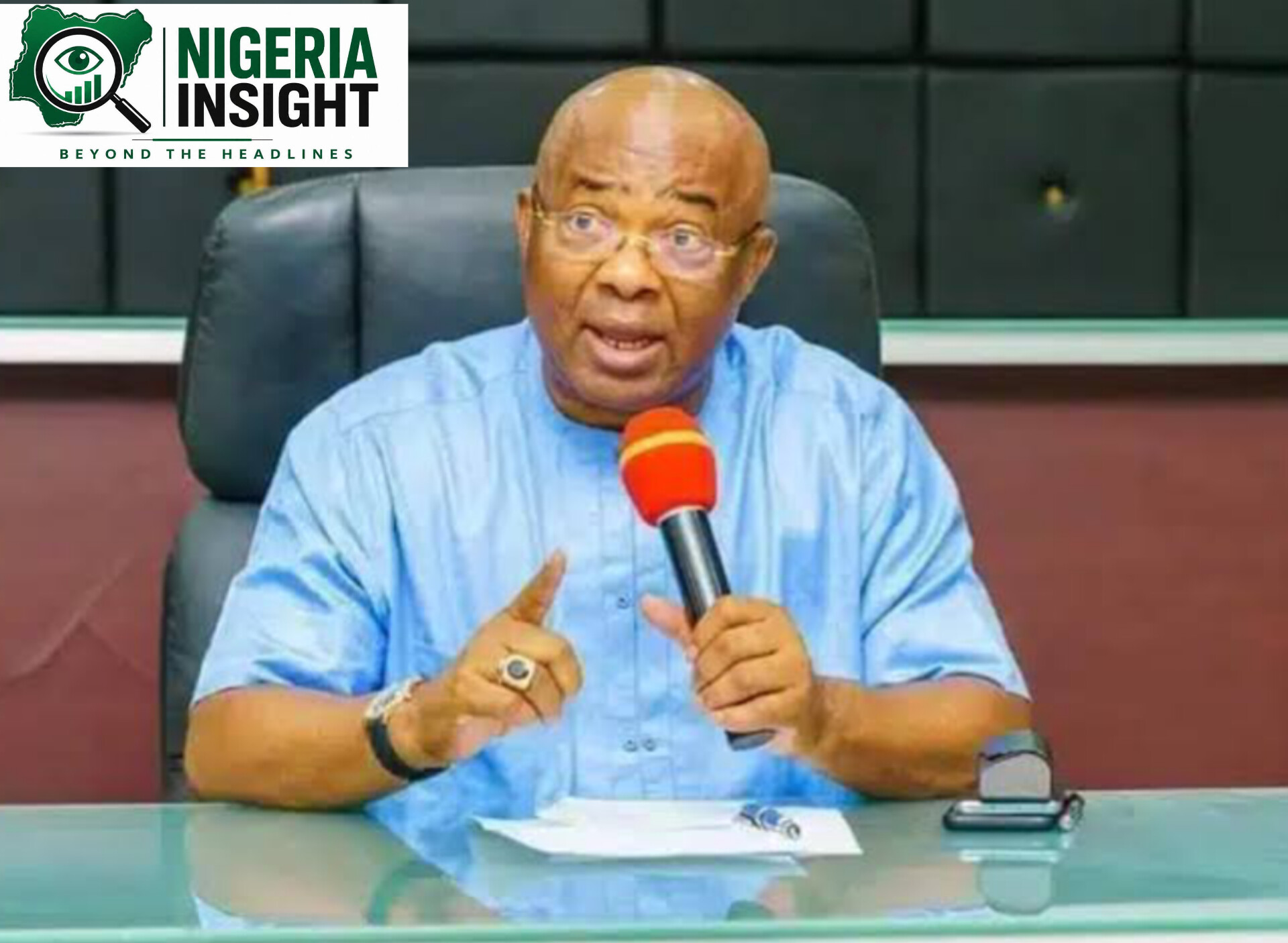
Imo State Governor Hope Uzodimma has declared that the state has effectively become a “one-party state,” asserting that the people of Imo have already resolved to support the re-election of President Bola Ahmed Tinubu in the 2027 presidential election.
The governor made the remarks while addressing party members and supporters, describing the ruling All Progressives Congress (APC) as the dominant political force in the state.
His comments come as political parties across Nigeria intensify consultations and strategic alignments ahead of the 2027 general elections.
According to Uzodimma, the level of support enjoyed by the APC in Imo reflects the confidence of residents in the party’s leadership at both the state and federal levels.
He stated that the people of the state had collectively resolved to back President Tinubu’s bid for a second term, expressing optimism that the APC would record another strong electoral performance in the state.
The governor also urged party members to remain united and continue mobilising support for the APC ahead of the next election cycle.
Uzodimma’s declaration is expected to generate reactions from opposition political parties, many of which have continued to insist that Imo remains politically competitive despite the APC’s control of the state government.
Political analysts note that while incumbent governors often express confidence in their party’s electoral prospects, the outcome of elections ultimately depends on the choices made by voters at the polls.
Opposition parties are also expected to intensify their campaigns and grassroots mobilisation as preparations for the 2027 elections continue.
Although the presidential election is still months away, political stakeholders across the country have begun consolidating alliances, endorsing candidates and unveiling campaign strategies.
Observers say public declarations by influential political figures are likely to become more frequent as parties seek to energise their supporters and shape the political narrative ahead of the elections.
The Independent National Electoral Commission (INEC) is expected to oversee the electoral process in accordance with the Constitution and the Electoral Act.
Governor Uzodimma’s remarks underscore the growing political momentum ahead of the 2027 general elections.
While endorsements from political leaders can influence party supporters, Nigeria’s democratic process ultimately rests on the decisions of eligible voters, who will determine the outcome through the ballot box.

African Action Congress (AAC) presidential candidate, Omoyele Sowore, has pledged to reverse the naming of public facilities after President Bola Ahmed Tinubu and other political office holders if elected president in the 2027 general election, arguing that national assets should reflect the country’s collective heritage rather than honour serving or former political leaders.
Sowore made the declaration while outlining his vision for governance, maintaining that public infrastructure financed with taxpayers’ money should not be personalised or used to immortalise political figures.
His remarks add a fresh dimension to the growing political discourse ahead of the 2027 presidential election.
According to Sowore, public institutions, roads, airports, universities and other government-owned facilities should bear names that promote national unity, celebrate Nigeria’s history or recognise individuals whose contributions have received broad national consensus.
He argued that successive governments have increasingly adopted the practice of naming major public projects after political leaders, a trend he believes weakens institutional values and encourages personality-driven politics.
Sowore said his administration, if elected, would review such decisions and reverse the naming of facilities dedicated to political office holders, including those named after President Tinubu.
The naming of public infrastructure after political leaders has long generated debate in Nigeria.
Supporters of the practice argue that leaders who make significant contributions to national development deserve recognition through enduring public monuments and institutions.
Critics, however, contend that naming public assets after serving or recently departed political figures risks politicising national institutions and may diminish the contributions of other deserving Nigerians from various sectors of society.
The issue has resurfaced in recent years following the naming or renaming of airports, roads, universities and other federal projects after current and former public officials.
Sowore, a former presidential candidate and human rights activist, has consistently campaigned on a platform centred on institutional reforms, anti-corruption, accountability and governance restructuring.
His latest remarks are expected to fuel political debate as aspirants begin articulating their policy positions ahead of the 2027 elections.
Political analysts note that campaign promises often serve to distinguish candidates’ governance philosophies, although their implementation ultimately depends on constitutional procedures, legislative support and executive authority.
The debate extends beyond the names of public facilities. It raises broader questions about how Nigeria chooses to honour public service, preserve national history and build institutions that outlive individual administrations.
As political campaigns gradually gather momentum, issues such as governance, public accountability and national identity are expected to feature prominently in conversations leading to the 2027 general election.
Politics
2027: Wike’s PDP, Otti’s Labour Party, APGA Miss INEC Deadline for Presidential Candidate Submission

Three political parties have failed to submit the names of their presidential and vice-presidential candidates before the Independent National Electoral Commission (INEC) closed its candidate nomination portal, potentially complicating their participation in Nigeria’s 2027 presidential election.
The affected parties are the Peoples Democratic Party (PDP) faction aligned with the Minister of the Federal Capital Territory, Nyesom Wike, the Labour Party (LP) associated with Abia State Governor Alex Otti, and the All Progressives Grand Alliance (APGA).
According to reports, none of the three parties successfully uploaded the details of their presidential and vice-presidential nominees before the portal closed at 11:59 p.m. on Tuesday, the deadline set by the electoral commission following an earlier extension.
The deadline marked the end of the nomination window granted by INEC after the commission extended the original submission date in response to appeals from political parties that encountered technical and administrative challenges during the upload process.
The extension shifted the closing date to Tuesday, July 14, and INEC maintained that all submissions had to be completed before the portal automatically closed.
Parties Risk Electoral Setback
Under Nigeria’s Electoral Act and INEC’s election timetable, political parties are required to nominate and electronically submit the particulars of their presidential and vice-presidential candidates within the commission’s stipulated timeframe. Failure to comply with these statutory deadlines could have significant legal and political consequences, depending on any subsequent decisions by the commission or the courts.
As of the time of filing this report, neither INEC nor the affected political parties had issued comprehensive official statements explaining why the submissions were not completed before the portal closed.
INEC’s Electoral Timetable
The submission of candidates represents one of the key milestones in preparations for the 2027 general election, which INEC says is designed to ensure sufficient time for candidate verification, publication of particulars, resolution of disputes, and other statutory electoral processes before campaigning begins.
The commission has repeatedly stressed that political parties bear the responsibility for complying with the timelines contained in the electoral calendar and that adherence to deadlines is essential for the orderly conduct of elections.
Political Implications
The failure by three notable political parties to complete the nomination process before the deadline is likely to attract legal and political scrutiny in the coming days, particularly given the prominence of the parties and their roles in Nigeria’s evolving political landscape.
Analysts say developments surrounding candidate submissions may influence alliance negotiations, internal party dynamics, and potential litigation as preparations for the 2027 presidential election intensify.
Whether the affected parties seek legal remedies or whether INEC provides further clarification on the status of incomplete submissions remains to be seen.
Nigeria Insight will continue to monitor the situation and provide updates as more official information becomes available.
-
 Judiciary | Public Safety3 days ago
Analysis: Why Would Mary Habila’s Father Oppose an Autopsy?
-
 Uncategorized8 hours ago
NEMA Urges Residents in Flood-Prone Areas to Relocate as Heavy Rains Intensify
-
 Judiciary | Public Safety2 days ago
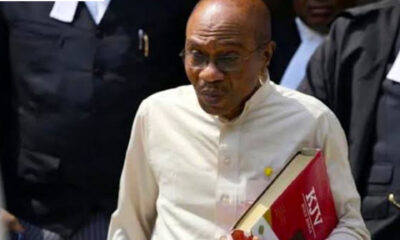
Supreme Court Restores Final Forfeiture of Emefiele’s Seven Luxury Properties
-

 Security2 days ago
Kogi Rescues Abducted NECO Candidates as Governor Ododo Reaffirms No-Ransom Policy
-

 Analysis | Security | National Affairs2 days ago
Analysis: Why Military Recruitment Appears Lower in Nigeria’s South-East
-

 Editorial2 days ago
When Nigeria’s Elite Choose Foreign Classrooms, What Does It Say About Our Universities?
-
 World News | International Affairs23 hours ago
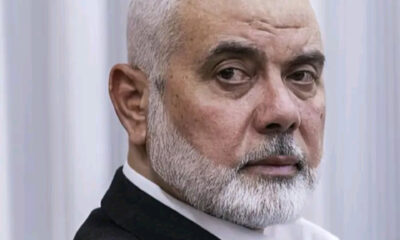
Israel Says It Has Killed Hamas Commander Walid Haniyeh in Targeted Operation
-

 Sports4 days ago
Stanley Nwabali Opens Up on Family Tragedy and Mental Health Before Chippa United Return