
Judiciary | Public Safety
El-Rufai’s Wife Seeks International Intervention, Alleges Political Persecution Over Husband’s Detention

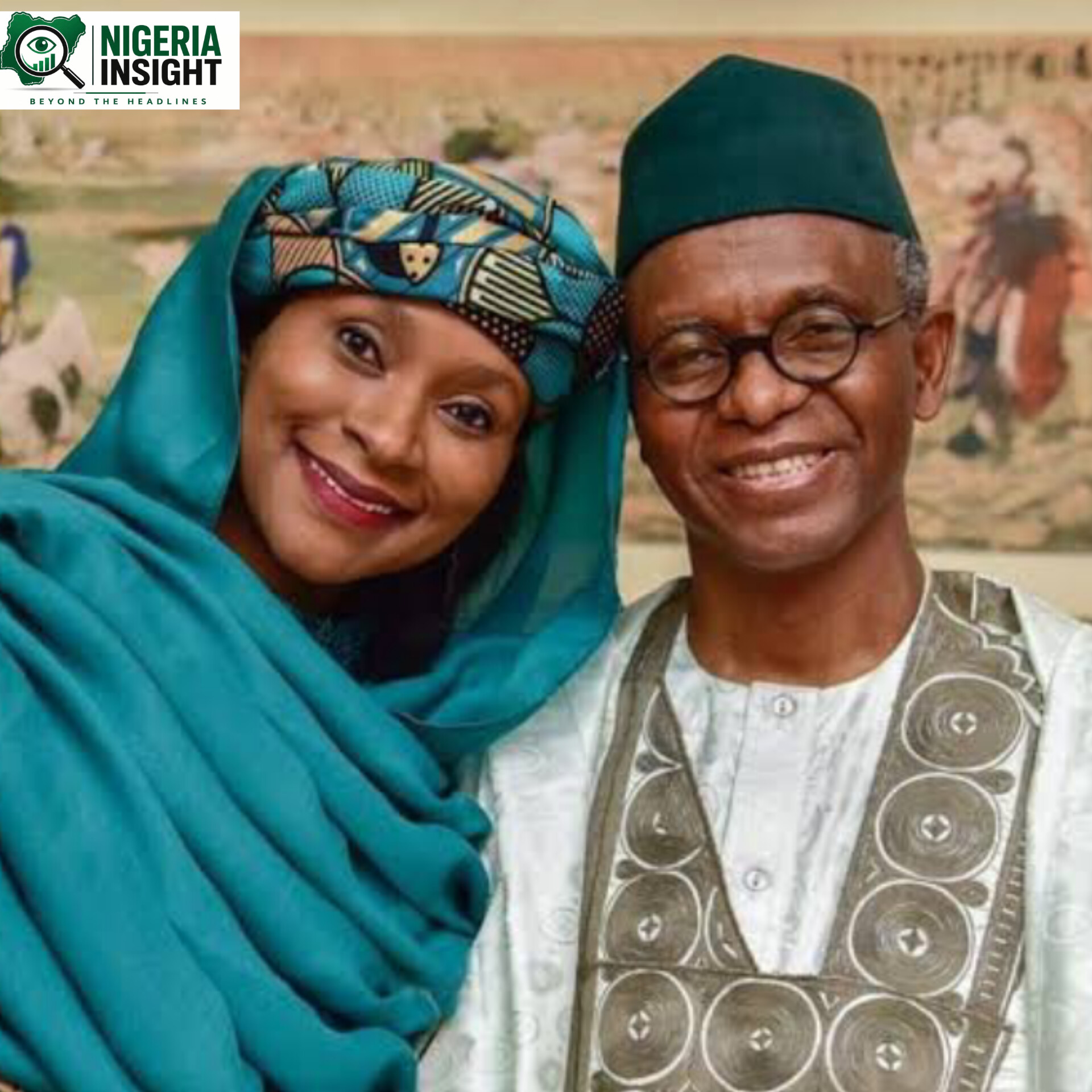
Asia Ahmad El-Rufai, lawyer and wife of former Kaduna State Governor Nasir El-Rufai, has appealed to the international community to intervene over what she described as the prolonged detention of her husband, alleging that he is being subjected to political persecution and denied his fundamental rights.
In a statement, Asia El-Rufai argued that her husband’s continued detention amounts to “punishment before trial,” warning that the situation raises broader concerns about the rule of law, due process and the protection of democratic institutions in Nigeria.
The former governor’s wife called on the international community, diplomatic missions, human rights organisations and democratic partners to closely monitor the case, insisting that justice must not only be done but also be seen to be done.
According to her, the continued detention of her husband before the conclusion of judicial proceedings undermines confidence in Nigeria’s legal system and could set what she described as a dangerous precedent for political participation and democratic governance.
She maintained that the matter extends beyond an individual case and touches on the broader principles of constitutional rights, fair hearing and judicial independence.
Asia El-Rufai alleged that the legal actions against the former governor are politically motivated, describing the prosecution as an attempt to silence a prominent opposition figure.
She argued that the continued detention of her husband despite ongoing legal proceedings amounts to punishment before conviction, contrary to the principles of justice and the presumption of innocence guaranteed under the Constitution.
Her remarks come amid heightened political activities ahead of the 2027 general election, with several opposition figures accusing the government of using state institutions to target political opponents.
As of the time of publication, the Federal Government and the relevant prosecuting authorities had not publicly responded to the latest allegations made by Asia El-Rufai.
The circumstances surrounding Nasir El-Rufai’s detention remain the subject of ongoing legal proceedings, and no court has delivered a final judgment on the allegations against him.
Under Nigerian law, every defendant is presumed innocent until proven guilty by a court of competent jurisdiction.
The case has continued to generate debate among political observers, legal practitioners and civil society organisations.
While supporters of the former governor argue that his rights should be fully protected throughout the judicial process, others insist that all public officials, regardless of political status, should be held accountable where credible allegations exist.
Legal analysts have emphasised that public confidence in the justice system depends on adherence to due process, transparency and the timely determination of criminal cases.
The detention of a high-profile political figure inevitably attracts national and international attention. Beyond the immediate legal questions, the case has reignited discussions about judicial independence, the rights of accused persons, political accountability and the role of democratic institutions in safeguarding the rule of law.
As legal proceedings continue, attention is expected to remain focused on how the courts handle the matter and whether the competing claims of political persecution and lawful prosecution are tested through due judicial process.








The Federal Government has charged three men over the recent abduction of pupils and teachers of a school in Orire Local Government Area of Oyo State, as authorities intensify efforts to prosecute individuals linked to kidnapping and organised criminal activities.
The suspects, Abdulrazak Umar (also known as Abu Khalifa/Abu Khalid), Yunusa Musa (also known as Yunusa bin Musa), and Shamsu Adamu Sani (also known as Abu Itisar), were brought before the court over allegations connected to the kidnap incident involving students and staff members of the affected school.
The charges form part of the government’s wider crackdown on kidnapping networks and other security threats across the country.
According to the Federal Government, the accused persons were allegedly involved in the abduction of children and teachers from a school located in Orire Local Government Area of Oyo State.
The incident had generated public concern and renewed calls for stronger protection of schools and communities, particularly as kidnapping for ransom continues to pose a major security challenge in parts of Nigeria.
The prosecution is expected to present evidence before the court as the case progresses, while the defendants will have the opportunity to respond to the allegations against them.
The arraignment comes amid increased efforts by security agencies to dismantle kidnapping networks, identify criminal collaborators and bring suspected perpetrators before the courts.
Authorities have repeatedly stated that kidnapping remains a serious threat to national security and have pledged to ensure that those responsible face legal consequences.
Security experts have, however, continued to call for a combination of stronger intelligence gathering, improved community policing, better surveillance systems and faster judicial processes to address the persistent challenge.
The abduction of students and teachers has remained one of the most sensitive security issues in Nigeria, with previous incidents across different parts of the country prompting nationwide debates over the safety of learning environments.
Education stakeholders have urged governments at all levels to strengthen security arrangements around schools, especially in vulnerable areas, while ensuring that children can access education without fear.
The suspects remain entitled to the presumption of innocence until proven guilty by a court of competent jurisdiction.
As the legal proceedings continue, attention will be on the evidence presented by prosecutors and the response of the defendants as the court determines the next steps in the case.
The prosecution of alleged kidnapping suspects is a critical part of Nigeria’s response to rising insecurity.
Beyond individual cases, successful investigations and convictions could help disrupt criminal networks and strengthen public confidence in the country’s security and justice systems.
Judiciary | Public Safety
Lagos Gov’t Urges Residents to Adopt Responsible Waste Disposal to Combat Flooding

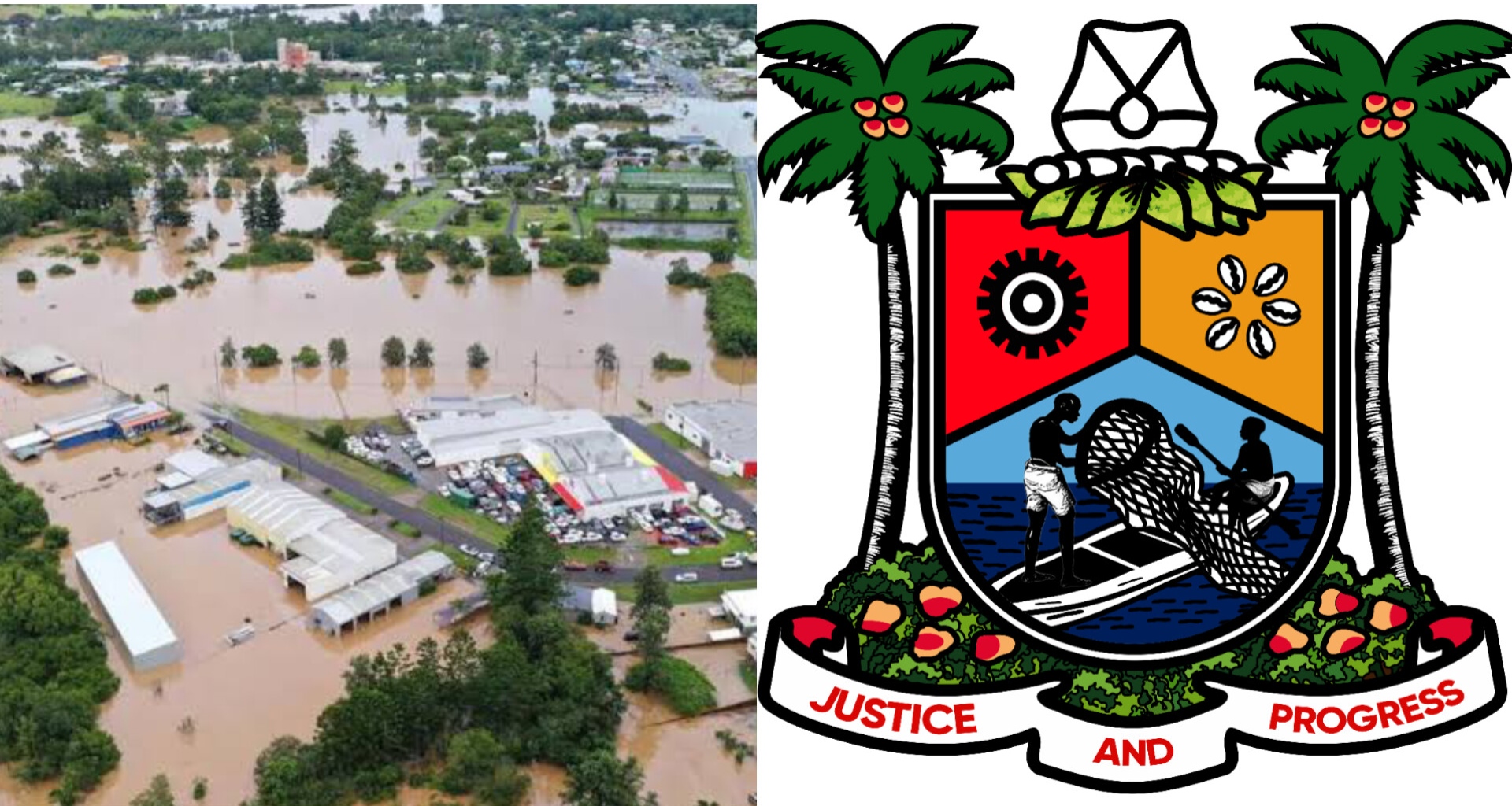
The Lagos State Government has renewed its call on residents to adopt responsible waste disposal habits as part of efforts to reduce flooding and improve environmental sanitation across the state.
The government said improper disposal of waste into drainage channels, canals and waterways remains one of the major factors worsening flooding during periods of heavy rainfall, as blocked drainage systems prevent the free flow of stormwater.
The renewed sensitisation campaign is aimed at encouraging residents, businesses and communities to take greater responsibility for maintaining a cleaner environment and supporting the state’s flood prevention measures.
Lagos, Nigeria’s most populous city and a coastal megacity, has historically faced challenges associated with flooding due to its low-lying terrain, rapid urbanisation and increasing pressure on existing drainage infrastructure.
Environmental authorities have repeatedly warned that plastic waste, household refuse and other debris dumped into waterways can obstruct drainage networks, causing rainwater to overflow into residential areas, roads and business districts.
The state government noted that while infrastructure projects such as drainage expansion and canal clearing remain ongoing, individual and community actions are equally important in tackling recurring flood challenges.
Authorities urged residents to dispose of waste only through approved channels and avoid dumping refuse on roadsides, drainage paths and waterways.
The government also encouraged landlords, community leaders, market operators and business owners to promote environmental responsibility within their neighbourhoods.
Officials stressed that maintaining a clean environment requires collective effort, noting that government intervention alone cannot completely address sanitation challenges without public cooperation.
Environmental experts have consistently linked urban flooding in major cities around the world to a combination of factors, including poor waste management, inadequate drainage capacity, climate change and unplanned development.
In Lagos, the annual rainy season often brings renewed concerns over flooded roads, damaged property and disruptions to economic activities.
Experts have advised residents to support preventive measures by keeping drainage channels clear, reducing single-use plastic waste and reporting blocked waterways to relevant authorities.
The Lagos State Government said it will continue its environmental enforcement and infrastructure initiatives aimed at improving drainage systems, clearing canals and strengthening waste management operations.
However, officials emphasised that long-term success depends on a partnership between government agencies and residents.
As rainfall intensifies during the wet season, authorities have urged Lagos residents to see proper waste disposal not only as an environmental responsibility but also as a public safety measure.
Judiciary | Public Safety
Supreme Court Restores Final Forfeiture of Emefiele’s Seven Luxury Properties
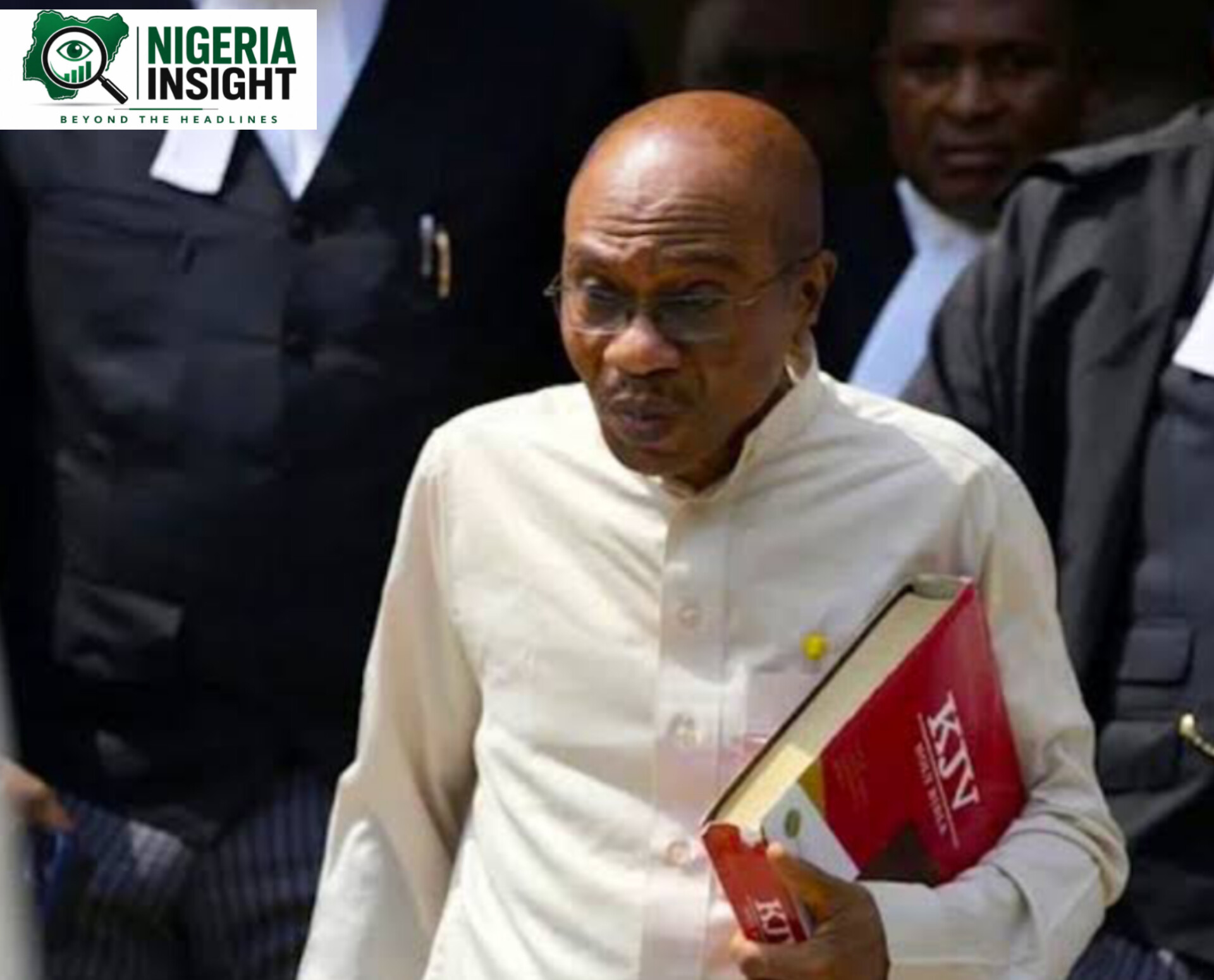
The Supreme Court has restored the final forfeiture of seven high-value properties linked to former Governor of the Central Bank of Nigeria (CBN), Godwin Emefiele, overturning an earlier decision of the Court of Appeal that had ordered a retrial of the case.
A five-member panel of the apex court, led by Justice Ibrahim Saulawa, unanimously allowed the appeal filed against the Court of Appeal judgment and set aside the appellate court’s decision, which had nullified the forfeiture order earlier granted by the Federal High Court in Lagos.
The Supreme Court’s decision means that the properties will remain forfeited to the Federal Government, following the conclusion of the legal battle over the assets.
The forfeiture case originated from proceedings before the Federal High Court in Lagos, where an order was granted for the permanent forfeiture of seven properties allegedly linked to the former CBN governor.
The properties, described as high-value real estate assets, were initially forfeited to the Federal Government after the court considered an application brought by relevant authorities seeking their recovery.
However, the decision was later challenged at the Court of Appeal, which set aside the forfeiture order and directed that the matter be retried.
Dissatisfied with the appellate court’s decision, the Federal Government appealed to the Supreme Court, arguing that the Court of Appeal had erred in overturning the lower court’s ruling.
Delivering judgment, the Supreme Court panel held that the Court of Appeal was wrong to nullify the forfeiture order and order a retrial.
The apex court consequently restored the decision of the Federal High Court, bringing an end to the legal dispute surrounding the properties.
The judgment reinforces the authority of Nigerian courts to determine the ownership and disposition of assets subject to forfeiture proceedings where allegations of unlawful acquisition arise.
The properties became the subject of legal proceedings following investigations into assets allegedly connected to Emefiele, who served as CBN Governor from 2014 until his suspension by President Bola Ahmed Tinubu in June 2023.
Following his suspension, Emefiele faced investigations by security agencies over allegations relating to financial misconduct and abuse of office. He has consistently denied wrongdoing.
The former CBN governor was later prosecuted by the Economic and Financial Crimes Commission (EFCC) on allegations including fraud-related offences and abuse of office. Some of the charges against him have continued through various legal processes.
The ruling represents a significant development in Nigeria’s ongoing efforts to recover assets linked to corruption investigations and suspected proceeds of unlawful activities.
Legal analysts note that asset forfeiture cases are separate from criminal convictions, meaning the forfeiture of property does not automatically amount to a declaration of criminal guilt against an individual.
Under Nigeria’s legal framework, courts may order the forfeiture of assets where authorities establish sufficient grounds that such properties are connected to unlawful activities, subject to due legal process.
The Federal Government has continued to emphasise asset recovery as a key component of its anti-corruption strategy, with several high-profile forfeiture cases involving public officials and politically exposed persons appearing before Nigerian courts in recent years.
The Supreme Court’s latest decision adds to the growing body of judicial decisions shaping the application of forfeiture laws in Nigeria.
-

 Judiciary | Public Safety3 days ago
Analysis: Why Would Mary Habila’s Father Oppose an Autopsy?
-
 Judiciary | Public Safety2 days ago
Supreme Court Restores Final Forfeiture of Emefiele’s Seven Luxury Properties
-

 Uncategorized8 hours ago
NEMA Urges Residents in Flood-Prone Areas to Relocate as Heavy Rains Intensify
-

 Security2 days ago
Kogi Rescues Abducted NECO Candidates as Governor Ododo Reaffirms No-Ransom Policy
-

 Analysis | Security | National Affairs2 days ago
Analysis: Why Military Recruitment Appears Lower in Nigeria’s South-East
-
 Editorial2 days ago
When Nigeria’s Elite Choose Foreign Classrooms, What Does It Say About Our Universities?
-

 World News | International Affairs23 hours ago
Israel Says It Has Killed Hamas Commander Walid Haniyeh in Targeted Operation
-

 Breaking News19 hours ago
US Warns Citizens Against Travel to 23 Countries Over Security Risks