
News
Fani-Kayode Raises Alarm Over Attacks, Deaths of Nigerians in South Africa

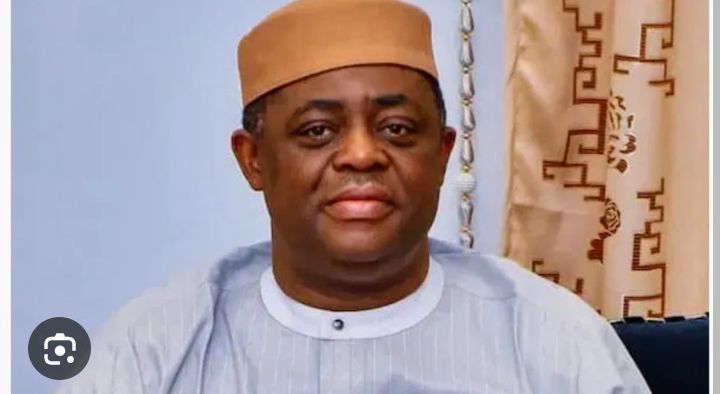
Nigeria’s Ambassador to South Africa, Femi Fani-Kayode, has raised concerns over the growing attacks on Nigerians living in the country, calling for urgent action to address unresolved deaths, alleged police brutality and recurring anti-Nigerian sentiments.
Fani-Kayode said protecting the lives, dignity and welfare of Nigerians abroad would remain a priority of his diplomatic mission and the Federal Ministry of Foreign Affairs.
The ambassador expressed his concerns in a statement issued on Monday, November 23, 2026, in which he also called for stronger diplomatic and economic cooperation between Nigeria and South Africa.
His intervention comes amid reports that at least 12 Nigerians have been killed in South Africa in 2026 in incidents linked to anti-migrant protests, alleged police brutality and xenophobic attacks.
Fani-Kayode described relations between Nigeria and South Africa as critical to Africa’s economic integration, political stability and overall development, warning that tensions between the two countries could have wider implications for the continent.
“The future of Africa is closely tied to the relationship between Nigeria and South Africa. If these two countries fail to work together, it could have significant implications for the continent’s progress,” he said.
He noted that since assuming office, he had consistently advocated dialogue, mutual respect and stronger bilateral relations between both countries.
However, he stressed that maintaining cordial diplomatic relations should not prevent the Nigerian government from addressing issues affecting its citizens in South Africa.
“As ambassador, I would be failing in my responsibility if I did not raise concerns about the treatment of Nigerians in South Africa,” he said.
Among the issues highlighted by the envoy were unresolved cases involving the deaths of Nigerians, allegations of misconduct by some South African security personnel and recurring anti-Nigerian statements by certain organisations and groups.
He also faulted attempts to portray Nigerians living in South Africa as criminals, insisting that the actions of a few individuals should not be used to judge an entire community.
According to him, thousands of Nigerians in the country are law-abiding professionals, including doctors, lawyers, academics and entrepreneurs, who contribute positively to South Africa’s economy and society.
Thousands of Nigerians in South Africa are law-abiding professionals, including doctors, lawyers, academics and entrepreneurs. A small minority engaged in wrongdoing should not be used to define an entire community,” he said.
Fani-Kayode further cautioned against interpreting anti-Nigerian sentiments expressed by some organisations as the position of the majority of South Africans.
Nevertheless, he described such rhetoric as troubling and urged both countries to address emerging tensions through sustained engagement, dialogue and mutual understanding.
The ambassador also commended Nigerian community organisations in South Africa for their efforts to protect the interests and welfare of citizens living in the country.
He said their interventions had helped ensure that the concerns of Nigerians received greater attention and representation.
“Many Nigerians believe that their concerns are finally being heard and represented. I remain committed to speaking on their behalf and standing up for their interests,” he said.
Fani-Kayode also encouraged Nigerian investors and business owners operating in South Africa to sustain their investments, expand their businesses and support fellow Nigerians experiencing difficulties.
Reaffirming his commitment to defending the country’s interests, the ambassador declared that he would continue to speak out whenever Nigeria’s dignity was threatened.
“Wherever Nigeria’s dignity is challenged or undermined, I will not hesitate to speak out and defend the green-white-green,” he said.
He reiterated that strengthening Nigeria-South Africa relations, promoting economic cooperation and safeguarding the welfare of Nigerians abroad would remain central to his diplomatic mission.
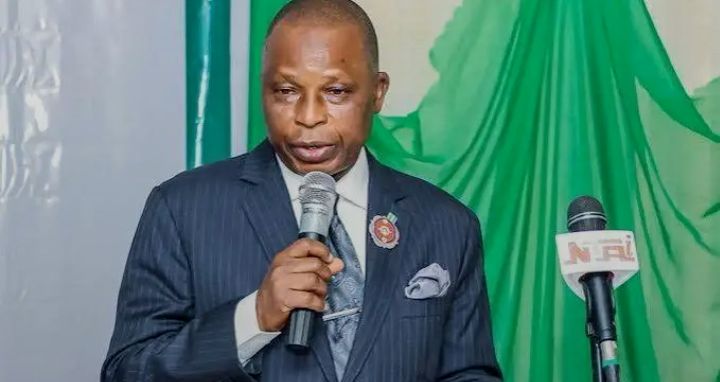
The Federal Government has pledged to accelerate the prosecution of drug-related offences, confiscate assets acquired through illicit activities and strengthen international cooperation to dismantle drug trafficking networks across Nigeria and beyond.
The Attorney-General of the Federation and Minister of Justice, Lateef Fagbemi (SAN), disclosed this on Monday in Abuja during the inauguration of the National Drug Control Master Plan (NDCMP) 2026–2030.
Fagbemi said the Federal Ministry of Justice would collaborate with the judiciary to ensure the speedy determination of drug-related cases in line with the provisions of the Administration of Criminal Justice Act (ACJA).
He explained that the government would also intensify efforts to ensure that individuals convicted of drug-related offences were stripped of assets acquired through criminal activities.
According to him, the government would strengthen mutual legal assistance, extradition processes and cross-border asset recovery to disrupt the financial networks sustaining organised drug trafficking.
“The government will intensify mutual legal assistance, extradition processes and cross-border asset recovery to disrupt the financial networks sustaining organised drug trafficking.
“These measures are necessary to strengthen Nigeria’s criminal justice response and ensure that drug traffickers did not continue to benefit from the proceeds of their illegal activities,” he said.
The minister stressed that effective prosecution and asset recovery remained essential to dismantling criminal enterprises and discouraging the financing of illicit drug markets.
He also commended the National Drug Law Enforcement Agency (NDLEA) for encouraging early collaboration between investigators and prosecutors, noting that the approach had improved evidence gathering, reduced procedural errors and strengthened criminal proceedings.
Fagbemi described the NDLEA as the foundation of Nigeria’s national drug control architecture, citing its contributions to intelligence gathering, drug interdiction, investigation, prosecution and public sensitisation.
He particularly praised the agency’s chairman, retired Brigadier-General Buba Marwa, for his leadership and commitment to strengthening the country’s response to drug-related challenges.
“I specifically commend Brig.-Gen Buba Marwa, who has been a silent achiever and has consistently made this administration and country proud,” he said.
The Attorney-General explained that the NDCMP 2026–2030 would consolidate the NDLEA’s achievements through a broader whole-of-government approach involving law enforcement agencies, public health institutions, educational authorities, social development agencies, financial investigators and community stakeholders.
He noted that the complex nature of drug-related challenges required coordinated interventions that addressed both criminal activities and the health and social consequences of substance abuse.
Fagbemi further stressed the need for Nigeria’s drug control policies to distinguish between major drug traffickers and individuals experiencing substance use disorders.
While insisting that criminal kingpins must face the full weight of the law, he said people struggling with drug dependence should receive appropriate medical and psychological support.
He maintained that effective drug control must combine law enforcement with prevention, treatment, rehabilitation and social reintegration.
According to him, the approach would enable the criminal justice system to tackle organised trafficking networks while addressing the health and welfare needs of individuals affected by substance dependence.
The minister also commended the NDLEA’s alternative development initiatives, which seek to replace the cultivation of illicit drugs with legitimate agricultural activities.
He said encouraging farmers and vulnerable communities to cultivate lawful cash crops and engage in other agricultural enterprises would help address the economic factors driving illicit drug production.
“As we saw in the documentary earlier, the NDLEA is delivering in that regard through successful efforts at replacing the planting and cultivation of illicit drugs with that of licit cash crops, in addition to other legitimate agricultural activities.
“This is a commendable move, in line with the agenda and philosophy of President Bola Tinubu to turn adversity into opportunities for progress,” he said.
Fagbemi described the new master plan as an important instrument for improving institutional coordination and ensuring consistent implementation of drug control interventions across relevant sectors.
He urged stakeholders to move beyond policy commitments and translate the provisions of the document into practical programmes with measurable outcomes.
He emphasised that the master plan should serve as a working guide for institutions responsible for tackling drug trafficking and substance abuse rather than remain a policy statement.
Meanwhile, the Economic Community of West African States (ECOWAS) Commission commended Nigeria for developing the NDCMP 2026–2030, describing it as a significant contribution to regional efforts to combat drug trafficking and substance abuse.
The commission’s representative, Prof. Nassirou Bako-Arifari, Commissioner for Human Development and Social Affairs, said the master plan aligned with regional commitments towards building a safer, healthier and more resilient West Africa.
Bako-Arifari, however, stressed that its successful implementation would depend on sustained political commitment, adequate funding and cooperation among governments, civil society organisations, communities, the private sector and international partners.
He noted that drug trafficking and substance abuse were transnational challenges that required coordinated responses among West African countries.
“Nigeria’s progress in implementing the master plan will contribute significantly to strengthening regional cooperation against illicit drug trafficking and its associated consequences.
“The ECOWAS Commission will stand with Nigeria at every step, sharing experience, mobilising support and linking this national effort to the work of other member states.
“Nigeria’s progress will guide the region because no country can win this fight alone,” he said.
The inauguration of the five-year master plan is expected to strengthen Nigeria’s institutional response to drug trafficking, improve prosecution and asset recovery, and expand prevention, treatment and rehabilitation programmes.
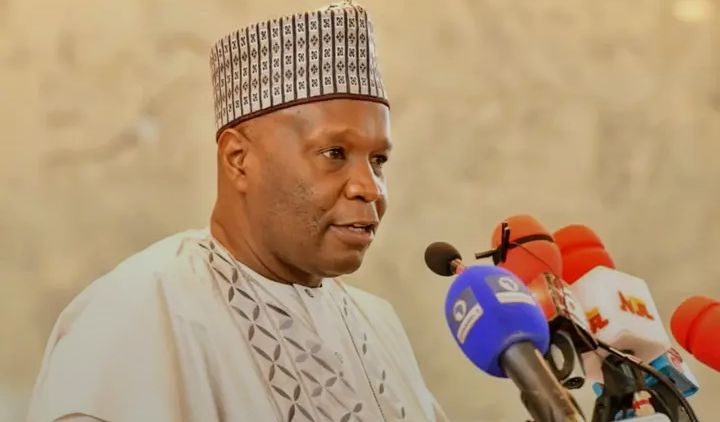
Gombe State Governor, Muhammadu Yahaya, has pledged to construct a N3.6bn general hospital in Billiri Local Government Area as part of efforts to improve healthcare delivery and expand access to medical services across the state.
Yahaya made the promise on Monday during a visit to the palace of the Mai Tangle, Malam Danladi Sanusi-Maiyamba, while leading the All Progressives Congress Campaign Council on a political tour of the area.
The governor said the proposed hospital was in response to a longstanding demand by residents of Billiri, assuring them that construction would commence soon.
He described the project as part of his administration’s commitment to strengthening healthcare infrastructure and addressing the medical needs of communities across the state.
“The proposed N3.6bn general hospital is part of our commitment to improving healthcare delivery and responding to the needs of our people in Billiri,” Yahaya said.
He explained that the planned facility would complement existing investments in primary healthcare centres across the wards of the local government area.
The governor also highlighted the Federal Orthopaedic Hospital approved for Billiri by President Bola Tinubu, saying the institution would improve access to specialised medical services and provide treatment for more complex health conditions.
According to Yahaya, the combination of state and federal healthcare investments would strengthen medical services available to residents and reduce the challenges associated with accessing specialised treatment.
Beyond the healthcare commitment, the governor urged residents to support Tinubu and other APC candidates in the 2027 general elections.
He also assured the people that his successor would sustain the development programmes and projects initiated by his administration.
Yahaya acknowledged the economic difficulties Nigerians have experienced under the Tinubu administration’s reforms but defended the policies, describing them as “necessary decisions that previous governments had avoided for decades”.
He expressed optimism that the reforms would eventually yield positive results, urging Nigerians to remain patient and support the process.
The governor further attributed the development recorded in Gombe State to the relative peace and security enjoyed across the state.
He maintained that a stable security environment was essential for implementing government projects, attracting development and improving residents’ living conditions.
Responding, the Mai Tangle, Sanusi-Maiyamba, commended Yahaya for his administration’s interventions in the area, particularly its efforts to maintain peace and security in Billiri.
The traditional ruler also offered prayers for continued peace and stability in Billiri and Gombe State before, during and after the 2027 general elections.

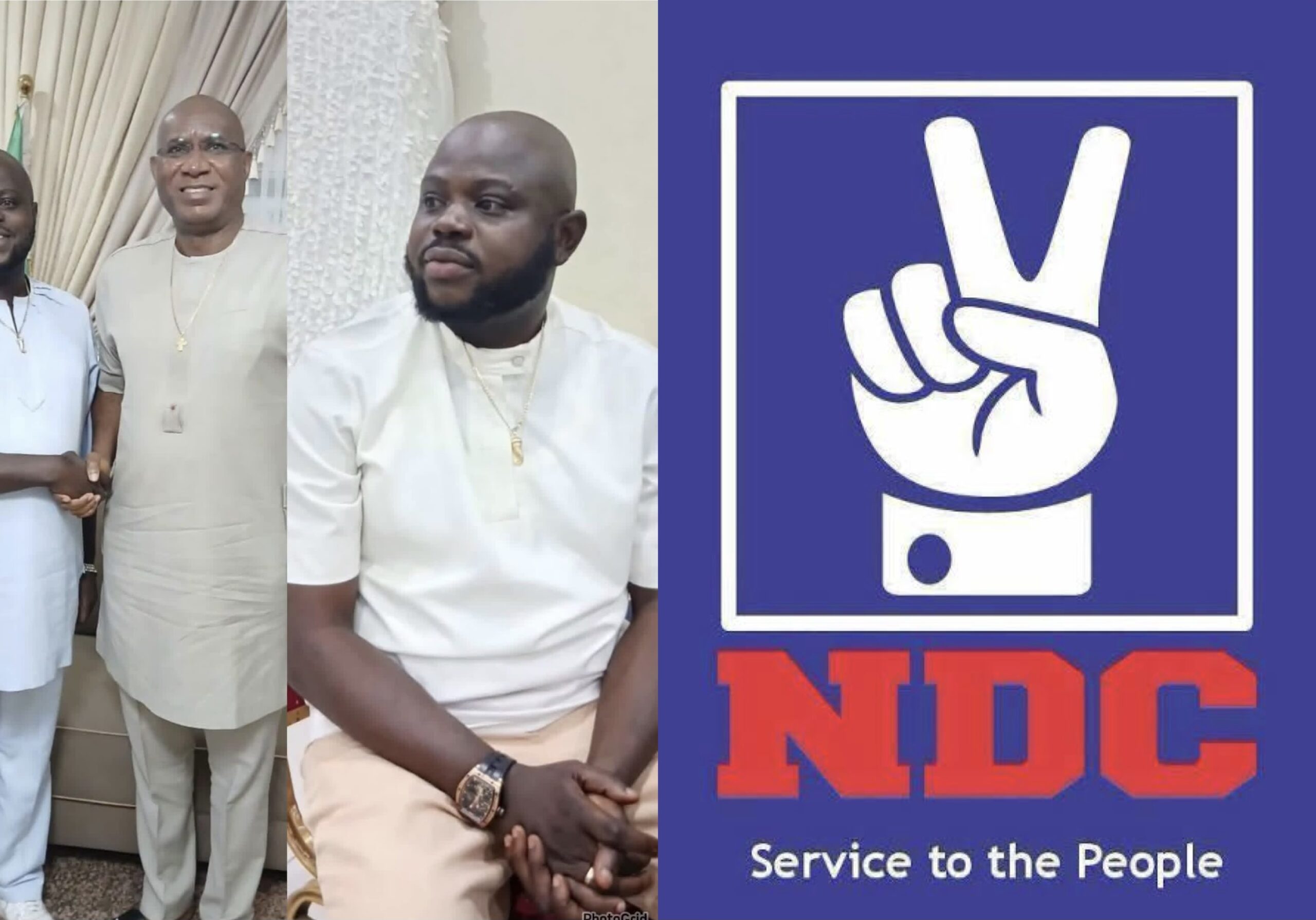
Fresh reports of violence involving supporters of the Nigeria Democratic Congress (NDC) have emerged from Delta State, following an alleged attack on a party convoy by suspected gunmen on Monday, November 23, 2026.
Reports circulating on social media claim that a former member of the Delta State House of Assembly and three other people were killed in the incident.
However, the identities of the alleged victims and the reported death toll have not been independently confirmed.
A video circulating online shows several individuals described as NDC supporters receiving medical attention in a hospital.
Some of those seen in the footage appear to have sustained serious injuries, while voices in the background can be heard appealing for assistance.
A report published by The Trumpet on Monday linked the circulating footage to an alleged attack in Ughelli, Delta State. The publication, however, said it could not independently verify the location or the circumstances surrounding the footage.
The latest reports come amid a series of violent incidents involving NDC political activities in Delta State.
On November 7, one person was killed and five others injured during violence at an NDC-linked procession along Nnebisi Road in Asaba, according to the Delta State Police Command.
Another confrontation was reported on November 11 in Okpai, Ndokwa East Local Government Area, where members of an NDC campaign team were reportedly injured.
The recurring incidents have heightened concerns about the safety of political candidates, campaign workers and supporters as political mobilisation ahead of the 2027 general elections continues.
As of the time of filing this report, independent confirmation of the alleged November 23 killings, the identity of the former lawmaker and the circumstances of the reported convoy attack remained unavailable.
Nigeria Insight is seeking further clarification from the Delta State Police Command and relevant party officials.
This report will be updated as verified information becomes available.
-
 Security4 months ago
NDLEA Declares Alleged Drug Kingpin, Three Associates Wanted, Freezes ₦9.8bn Linked to Syndicate
-
 National Affairs4 months ago
ICPC Uncovers 908 Suspected Ghost Workers Across 50 Federal MDAs, Recovers ₦942 Million
-

 Judiciary | Public Safety4 months ago
INEC Tells Court Voter Information Is Not Confidential in Emeka Ike’s ₦10bn Lawsuit
-

 Business/Finance4 months ago
How to Apply for Tunde Onakoya’s ₦250 Million Scholarship Programme and Free Laptop Offer
-
 Politics4 months ago
Atiku Challenges Tinubu to Reveal Details of ₦15.13bn SUV Procurement in 2026 Budget
-
 Judiciary | Public Safety4 months ago
Court to Rule Friday on NDLEA’s Bid to Destroy ₦480bn Meth Lab in Ogun
-
 Security4 months ago
Family Paid ₦50 Million Ransom to Secure Release of Abducted Kebbi Judge
-
 News4 months ago
2026 Budget: FG Earmarks ₦962.83bn for SUVs, Empowerment Projects Amid Debt Concerns