
News
FG Targets 2027 to Clear N3.3tn Electricity Debt, Promises Better Power Supply

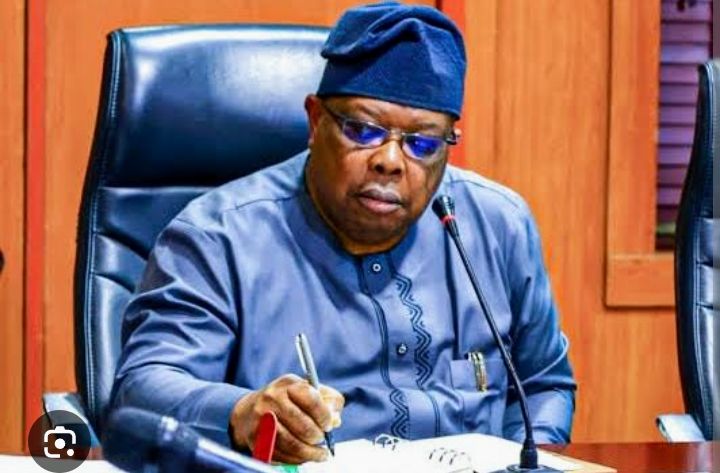
The Federal Government has set 2027 as its target for settling the outstanding N3.3tn debt owed to electricity generation companies (Gencos), while promising significant improvements in power supply across the country within the next three to five years.
The Minister of Power, Joseph Tegbe, disclosed this during an exclusive interview on ARISE News on Monday, where he outlined the government’s plans to address longstanding financial and infrastructure challenges affecting Nigeria’s electricity sector.
Tegbe explained that the government had successfully negotiated the outstanding debt down from N6tn to N3.3tn and had already paid N1.23tn, adding that efforts were underway to clear the remaining balance by 2027.
According to him, the government is exploring different financial arrangements to meet the deadline, including offsetting some of its obligations against royalties and corporate income tax.
“Today, we have paid N1.23tn. We’re speaking N1.23tn in this economy in a speed of about one and a half years. And we’re on track to finish paying the rest next year because we are looking at different ways to settle it,” the minister said.
He explained that the proposed arrangements would allow the government to offset royalties and corporate income tax against outstanding obligations to generation companies, reducing the amount of direct cash payments required.
“We want a net of royalties against the debts we have. You can’t take money with one hand and give it with the other hand. So let’s net it off. Corporate income tax, we can net it off. We’re negotiating with them. They are in agreement that we can take that out as long as we go down,” he stated.
The minister also disclosed that the Federal Government was engaging the Nigerian National Petroleum Company Limited (NNPC) to explore ways of reducing the cost of gas supplied to electricity generation companies.
He said lowering gas costs would help reduce the financial burden on power producers and support efforts to improve electricity generation.
“We’re also sitting down with NNPC to say, gas for power. And we look at how we can cut down the cost to Gencos, to the gas suppliers. Because we own this gas,” Tegbe said.
He added that Nigeria should leverage its natural gas resources to address electricity supply challenges, noting that the country had a comparative advantage that could be used to improve access to power.
On the outlook for electricity supply, Tegbe assured Nigerians that significant improvements could be expected within the next three to five years.
However, he acknowledged that the scale of infrastructure deterioration across the sector was greater than initially anticipated, warning that the challenges could not be resolved within a short period.
According to him, much of the electricity sector’s infrastructure had suffered decades of neglect, making substantial investment and careful planning necessary to achieve sustainable improvements.
“The bulk of the challenges is not in generation. I’ll tell you that, look, infrastructure decay is enormous. These things have happened over 50 years. Don’t expect us to fix it in two years,” he said.
Tegbe further identified poor planning and politically motivated investment decisions by successive administrations as factors contributing to the sector’s difficulties.
He said some projects had been executed without sufficient consideration of how they connected to the wider electricity network or their overall contribution to power delivery.
The minister disclosed that his ministry was reviewing ongoing electricity projects to determine which investments should receive priority attention.
He explained that the review would focus on identifying infrastructure projects capable of delivering measurable improvements in electricity supply and ensuring that available resources were directed towards areas with the greatest impact.
The government’s proposed debt settlement and infrastructure interventions form part of broader efforts to address financial constraints, reduce the cost of power generation and improve electricity delivery to Nigerian households and businesses.
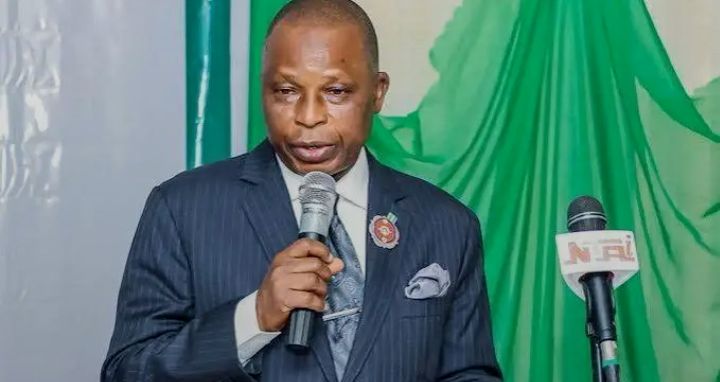
The Federal Government has pledged to accelerate the prosecution of drug-related offences, confiscate assets acquired through illicit activities and strengthen international cooperation to dismantle drug trafficking networks across Nigeria and beyond.
The Attorney-General of the Federation and Minister of Justice, Lateef Fagbemi (SAN), disclosed this on Monday in Abuja during the inauguration of the National Drug Control Master Plan (NDCMP) 2026–2030.
Fagbemi said the Federal Ministry of Justice would collaborate with the judiciary to ensure the speedy determination of drug-related cases in line with the provisions of the Administration of Criminal Justice Act (ACJA).
He explained that the government would also intensify efforts to ensure that individuals convicted of drug-related offences were stripped of assets acquired through criminal activities.
According to him, the government would strengthen mutual legal assistance, extradition processes and cross-border asset recovery to disrupt the financial networks sustaining organised drug trafficking.
“The government will intensify mutual legal assistance, extradition processes and cross-border asset recovery to disrupt the financial networks sustaining organised drug trafficking.
“These measures are necessary to strengthen Nigeria’s criminal justice response and ensure that drug traffickers did not continue to benefit from the proceeds of their illegal activities,” he said.
The minister stressed that effective prosecution and asset recovery remained essential to dismantling criminal enterprises and discouraging the financing of illicit drug markets.
He also commended the National Drug Law Enforcement Agency (NDLEA) for encouraging early collaboration between investigators and prosecutors, noting that the approach had improved evidence gathering, reduced procedural errors and strengthened criminal proceedings.
Fagbemi described the NDLEA as the foundation of Nigeria’s national drug control architecture, citing its contributions to intelligence gathering, drug interdiction, investigation, prosecution and public sensitisation.
He particularly praised the agency’s chairman, retired Brigadier-General Buba Marwa, for his leadership and commitment to strengthening the country’s response to drug-related challenges.
“I specifically commend Brig.-Gen Buba Marwa, who has been a silent achiever and has consistently made this administration and country proud,” he said.
The Attorney-General explained that the NDCMP 2026–2030 would consolidate the NDLEA’s achievements through a broader whole-of-government approach involving law enforcement agencies, public health institutions, educational authorities, social development agencies, financial investigators and community stakeholders.
He noted that the complex nature of drug-related challenges required coordinated interventions that addressed both criminal activities and the health and social consequences of substance abuse.
Fagbemi further stressed the need for Nigeria’s drug control policies to distinguish between major drug traffickers and individuals experiencing substance use disorders.
While insisting that criminal kingpins must face the full weight of the law, he said people struggling with drug dependence should receive appropriate medical and psychological support.
He maintained that effective drug control must combine law enforcement with prevention, treatment, rehabilitation and social reintegration.
According to him, the approach would enable the criminal justice system to tackle organised trafficking networks while addressing the health and welfare needs of individuals affected by substance dependence.
The minister also commended the NDLEA’s alternative development initiatives, which seek to replace the cultivation of illicit drugs with legitimate agricultural activities.
He said encouraging farmers and vulnerable communities to cultivate lawful cash crops and engage in other agricultural enterprises would help address the economic factors driving illicit drug production.
“As we saw in the documentary earlier, the NDLEA is delivering in that regard through successful efforts at replacing the planting and cultivation of illicit drugs with that of licit cash crops, in addition to other legitimate agricultural activities.
“This is a commendable move, in line with the agenda and philosophy of President Bola Tinubu to turn adversity into opportunities for progress,” he said.
Fagbemi described the new master plan as an important instrument for improving institutional coordination and ensuring consistent implementation of drug control interventions across relevant sectors.
He urged stakeholders to move beyond policy commitments and translate the provisions of the document into practical programmes with measurable outcomes.
He emphasised that the master plan should serve as a working guide for institutions responsible for tackling drug trafficking and substance abuse rather than remain a policy statement.
Meanwhile, the Economic Community of West African States (ECOWAS) Commission commended Nigeria for developing the NDCMP 2026–2030, describing it as a significant contribution to regional efforts to combat drug trafficking and substance abuse.
The commission’s representative, Prof. Nassirou Bako-Arifari, Commissioner for Human Development and Social Affairs, said the master plan aligned with regional commitments towards building a safer, healthier and more resilient West Africa.
Bako-Arifari, however, stressed that its successful implementation would depend on sustained political commitment, adequate funding and cooperation among governments, civil society organisations, communities, the private sector and international partners.
He noted that drug trafficking and substance abuse were transnational challenges that required coordinated responses among West African countries.
“Nigeria’s progress in implementing the master plan will contribute significantly to strengthening regional cooperation against illicit drug trafficking and its associated consequences.
“The ECOWAS Commission will stand with Nigeria at every step, sharing experience, mobilising support and linking this national effort to the work of other member states.
“Nigeria’s progress will guide the region because no country can win this fight alone,” he said.
The inauguration of the five-year master plan is expected to strengthen Nigeria’s institutional response to drug trafficking, improve prosecution and asset recovery, and expand prevention, treatment and rehabilitation programmes.
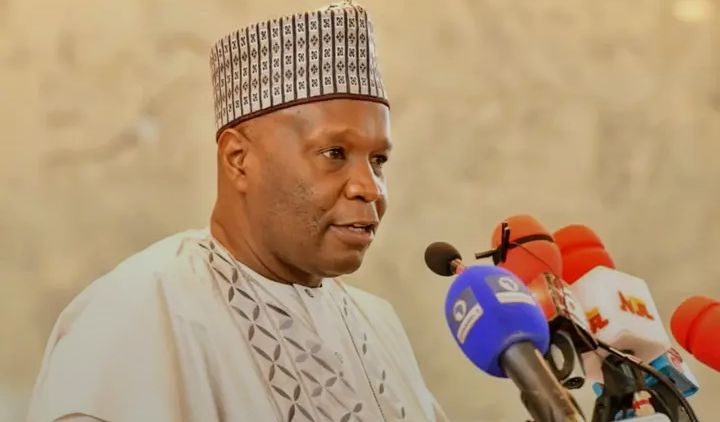
Gombe State Governor, Muhammadu Yahaya, has pledged to construct a N3.6bn general hospital in Billiri Local Government Area as part of efforts to improve healthcare delivery and expand access to medical services across the state.
Yahaya made the promise on Monday during a visit to the palace of the Mai Tangle, Malam Danladi Sanusi-Maiyamba, while leading the All Progressives Congress Campaign Council on a political tour of the area.
The governor said the proposed hospital was in response to a longstanding demand by residents of Billiri, assuring them that construction would commence soon.
He described the project as part of his administration’s commitment to strengthening healthcare infrastructure and addressing the medical needs of communities across the state.
“The proposed N3.6bn general hospital is part of our commitment to improving healthcare delivery and responding to the needs of our people in Billiri,” Yahaya said.
He explained that the planned facility would complement existing investments in primary healthcare centres across the wards of the local government area.
The governor also highlighted the Federal Orthopaedic Hospital approved for Billiri by President Bola Tinubu, saying the institution would improve access to specialised medical services and provide treatment for more complex health conditions.
According to Yahaya, the combination of state and federal healthcare investments would strengthen medical services available to residents and reduce the challenges associated with accessing specialised treatment.
Beyond the healthcare commitment, the governor urged residents to support Tinubu and other APC candidates in the 2027 general elections.
He also assured the people that his successor would sustain the development programmes and projects initiated by his administration.
Yahaya acknowledged the economic difficulties Nigerians have experienced under the Tinubu administration’s reforms but defended the policies, describing them as “necessary decisions that previous governments had avoided for decades”.
He expressed optimism that the reforms would eventually yield positive results, urging Nigerians to remain patient and support the process.
The governor further attributed the development recorded in Gombe State to the relative peace and security enjoyed across the state.
He maintained that a stable security environment was essential for implementing government projects, attracting development and improving residents’ living conditions.
Responding, the Mai Tangle, Sanusi-Maiyamba, commended Yahaya for his administration’s interventions in the area, particularly its efforts to maintain peace and security in Billiri.
The traditional ruler also offered prayers for continued peace and stability in Billiri and Gombe State before, during and after the 2027 general elections.

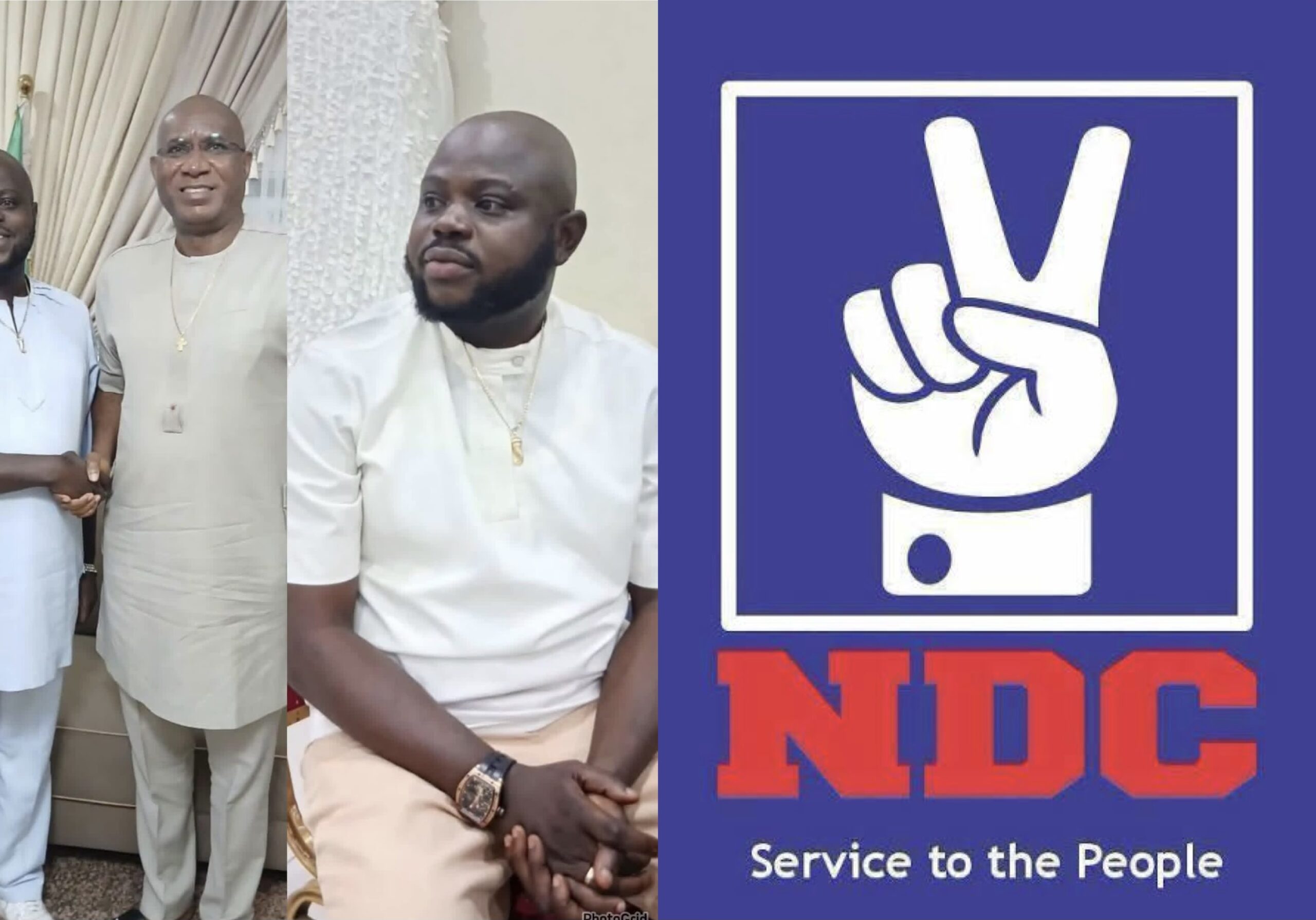
Fresh reports of violence involving supporters of the Nigeria Democratic Congress (NDC) have emerged from Delta State, following an alleged attack on a party convoy by suspected gunmen on Monday, November 23, 2026.
Reports circulating on social media claim that a former member of the Delta State House of Assembly and three other people were killed in the incident.
However, the identities of the alleged victims and the reported death toll have not been independently confirmed.
A video circulating online shows several individuals described as NDC supporters receiving medical attention in a hospital.
Some of those seen in the footage appear to have sustained serious injuries, while voices in the background can be heard appealing for assistance.
A report published by The Trumpet on Monday linked the circulating footage to an alleged attack in Ughelli, Delta State. The publication, however, said it could not independently verify the location or the circumstances surrounding the footage.
The latest reports come amid a series of violent incidents involving NDC political activities in Delta State.
On November 7, one person was killed and five others injured during violence at an NDC-linked procession along Nnebisi Road in Asaba, according to the Delta State Police Command.
Another confrontation was reported on November 11 in Okpai, Ndokwa East Local Government Area, where members of an NDC campaign team were reportedly injured.
The recurring incidents have heightened concerns about the safety of political candidates, campaign workers and supporters as political mobilisation ahead of the 2027 general elections continues.
As of the time of filing this report, independent confirmation of the alleged November 23 killings, the identity of the former lawmaker and the circumstances of the reported convoy attack remained unavailable.
Nigeria Insight is seeking further clarification from the Delta State Police Command and relevant party officials.
This report will be updated as verified information becomes available.
-
 Security4 months ago
NDLEA Declares Alleged Drug Kingpin, Three Associates Wanted, Freezes ₦9.8bn Linked to Syndicate
-
 National Affairs4 months ago
ICPC Uncovers 908 Suspected Ghost Workers Across 50 Federal MDAs, Recovers ₦942 Million
-
 Judiciary | Public Safety4 months ago
INEC Tells Court Voter Information Is Not Confidential in Emeka Ike’s ₦10bn Lawsuit
-

 Business/Finance4 months ago
How to Apply for Tunde Onakoya’s ₦250 Million Scholarship Programme and Free Laptop Offer
-
 Politics4 months ago
Atiku Challenges Tinubu to Reveal Details of ₦15.13bn SUV Procurement in 2026 Budget
-
 Judiciary | Public Safety4 months ago
Court to Rule Friday on NDLEA’s Bid to Destroy ₦480bn Meth Lab in Ogun
-
 Security4 months ago
Family Paid ₦50 Million Ransom to Secure Release of Abducted Kebbi Judge
-
 News4 months ago
2026 Budget: FG Earmarks ₦962.83bn for SUVs, Empowerment Projects Amid Debt Concerns