
Government/Policies
Reps Propose Real Estate Regulator to Curb Fraud, Boost Housing Investment

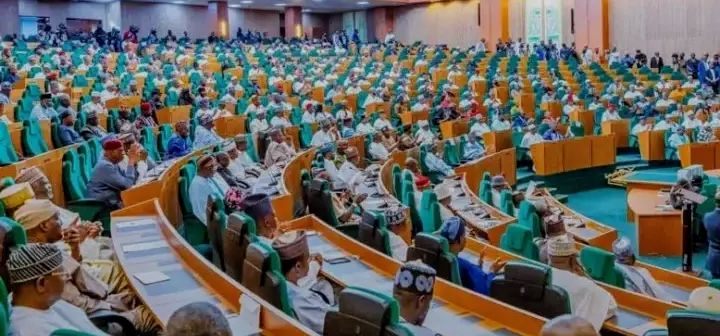
The House of Representatives has called for the establishment of a comprehensive regulatory framework for Nigeria’s real estate sector to tackle fraudulent practices, strengthen consumer protection and attract investment into the country’s housing market.
The proposed National Real Estate Regulatory Authority is expected to address institutional gaps, eliminate overlapping responsibilities and establish standards for property developers and other stakeholders operating within the sector.
The Chairman of the House Committee on Housing and Habitat, Abdulmumini Jibrin, made the call on Monday in Abuja during a stakeholder conference on the proposed authority.
The conference was themed, “One Vision, One Ecosystem, One National Housing and Real Estate Plan.”
Jibrin said an assessment of the sector since he assumed office revealed that Nigeria had yet to fully harness its enormous housing and real estate potential because of inadequate regulation and the absence of a coordinated national framework.
He explained that although the Minister of Housing and Urban Development was responsible for driving government policies in the sector, several agencies and institutions involved in housing development operated outside the ministry’s direct jurisdiction.
According to him, the situation had created institutional gaps, duplication of functions and difficulties in coordinating activities across the housing ecosystem.
“There are enormous challenges. We have a wonderful Minister of Housing. But as the Minister of Housing of the Federal Republic of Nigeria, he does not have jurisdiction over all the agencies and institutions that have to do with housing. There is a link; there is a gap.
So, there is duplication of functions,” he said.
The lawmaker stressed that regulation should also protect prospective homeowners by ensuring they had adequate information and financial awareness before entering into property agreements.
He noted that some Nigerians committed themselves to housing arrangements beyond their financial capacity, while others failed to understand how inflation, prevailing economic conditions and changes in government policies could affect developers’ ability to complete projects.
Jibrin said the proposed authority would establish clear responsibilities for developers and consumers, introduce effective dispute-resolution mechanisms and ensure that operators complied with defined industry standards.
He described real estate as a major contributor to Nigeria’s Gross Domestic Product, adding that its economic contribution could increase significantly if the sector’s opportunities were properly harnessed.
The committee chairman observed that unlike oil and gas, power and telecommunications, the real estate sector continued to operate with considerable regulatory loopholes.
He said the situation allowed individuals to present property brochures to unsuspecting Nigerians and collect money without effective institutional mechanisms to verify their credentials, business operations or capacity to deliver promised projects.
Jibrin explained that the proposed legislation was designed to close these gaps and strengthen existing institutions without taking over their statutory responsibilities.
He also dismissed concerns that the proposed authority would encroach on the constitutional powers of state governments or undermine established professional bodies.
“The bill to create the National Housing Regulatory Authority is not going to take over the powers of any state government. We are not going to compete. We are only going to cooperate. And for professional bodies, nobody is taking away your responsibility. It will be protected,” he said.
He added that the proposed authority would strengthen government agencies and empower them to discharge their responsibilities in accordance with their respective enabling laws.
Minister backs proposed regulatory authority
In his remarks, the Minister of Housing and Urban Development, Muttaqha Darma, said the Federal Government was intensifying efforts to address the structural and institutional challenges affecting Nigeria’s housing sector.
Darma disclosed that the ministry had organised a similar stakeholder engagement in July, where issues surrounding the country’s housing deficit were examined and validated.
He said estimates indicated that Nigeria faced a housing shortfall of more than 50 million units.
The minister also identified inadequate access to mortgage financing as a major obstacle to homeownership, despite Nigeria’s estimated population of about 240 million.
According to him, mortgage penetration in Nigeria remained below 10 per cent, compared with 38 per cent in Malaysia and 40 per cent in South Korea.
“Our population, as of today, is estimated to be about 240m. But, as speakers after speakers mentioned, mortgage penetration is very low. It is less than 10 per cent, as against 38 per cent in Malaysia and 40 per cent in South Korea,” he said.
Darma noted that although Nigeria had institutions such as the Federal Mortgage Bank and other mortgage financing organisations, the number of mortgages accessed annually remained insufficient to address the country’s housing needs.
He also recalled that the built environment and real estate sector had been identified as the third-largest contributor to the Nigerian economy, stressing the importance of creating an enabling environment for its growth.
The minister expressed the ministry’s support for the proposed regulatory authority but urged stakeholders to consider placing it under the Ministry of Housing and Urban Development to ensure effective coordination and alignment with existing government policies.
He cited Singapore, Dubai, Malaysia, the United Kingdom and Rwanda as examples of jurisdictions with similar regulatory institutions operating within ministries responsible for housing and the built environment.
Darma further called for coordination between the proposed authority, the National Housing Finance Authority and the Federal Government’s mortgage policy, which is awaiting presidential consideration.
Finance Incorporated raises concerns over implementation
Also speaking, the Managing Director and Chief Executive Officer of the Ministry of Finance Incorporated, Dr Armstrong Takang, commended the House of Representatives for collaborating with the Executive to address challenges in the housing and real estate sector.
Takang said the Presidency and the Federal Government were prepared to give the proposed legislation a fair and thorough consideration, particularly regarding its implications for the country’s existing legal and institutional framework.
He identified the relationship between the proposed legislation and the Land Use Act as one of the issues requiring careful examination.
He also called for clarity on the regulation of professional practices and cautioned against excessive regulation that could discourage private investment.
Takang urged stakeholders to develop a regulatory structure that would complement existing government institutions without unnecessarily increasing recurrent expenditure.
“To what extent are we going to address the regulation of practice in this sector? To what extent are we also going to ensure that the sector is not overregulated? And how do we create this new agency and fit it into the existing structure of government in a way that we do not expand the recurrent expenditure framework of government?” he asked.
He assured participants of the government’s readiness to work with stakeholders towards developing a transparent and sustainable real estate sector capable of attracting investment and delivering greater economic benefits.
Abbas seeks digital property registration system
In his keynote address, the Speaker of the House of Representatives, Tajudeen Abbas, called for a centralised and digitised real estate administrative system to simplify property transactions, strengthen public confidence and make Nigeria’s housing market more attractive to local and international investors.
Abbas said the country needed a reliable digital system linking property ownership records with the identities of property owners, as well as buyers and sellers.
He explained that such a system would help address fraudulent transactions, multiple ownership claims and disputes associated with land and property acquisition.
In his address titled, “Building a Trusted and Investable Nigerian Real Estate Market,” the Speaker argued that Nigeria’s housing challenge was not necessarily a shortage of properties but a lack of confidence in the real estate market.
“Nigeria does not lack property. Nigeria lacks enough trust in property,” he said.
Abbas maintained that effective regulation should not be viewed as an obstacle to legitimate businesses but as a safeguard against fraudulent practices, unfair competition and the exploitation of unsuspecting homebuyers and investors.
He said appropriate regulation would protect responsible businesses, strengthen market confidence and provide the institutional credibility required to attract long-term investment into the housing sector.
The proposed National Real Estate Regulatory Authority is expected to establish a coordinated framework for regulating Nigeria’s property market, strengthening consumer protection, promoting professional standards and addressing institutional gaps that have continued to undermine the growth of the housing sector.
Government/Policies
2027: Shettima Seeks Cross River Support for Tinubu, Says Reforms Yielding Results
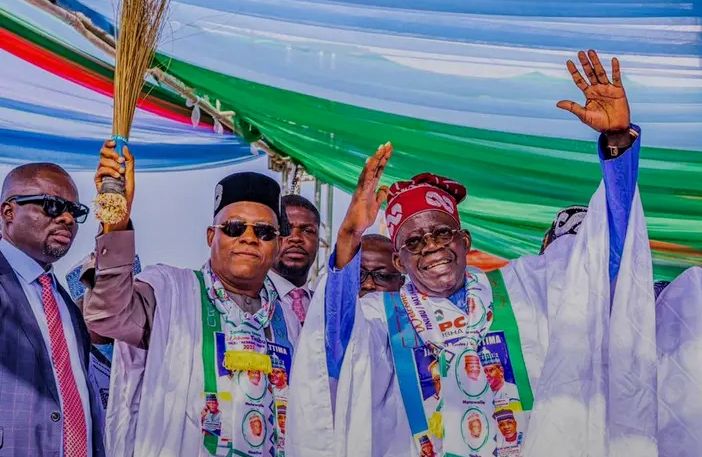
Vice-President Kashim Shettima has urged voters in Cross River State to support President Bola Tinubu and other All Progressives Congress (APC) candidates in the 2027 general elections, defending the administration’s economic reforms despite the hardship they have caused Nigerians.
Shettima spoke on Monday at the APC presidential campaign rally held at the U.J. Esuene Stadium in Calabar, the Cross River State capital.
He acknowledged that the reforms had brought economic difficulties but maintained that they were beginning to produce positive results, insisting that difficult decisions were necessary to transform the country.
The Vice-President compared Tinubu’s leadership approach to that of Singapore’s founding Prime Minister, Lee Kuan Yew, who led the transformation of the country from a struggling colony into a major global financial hub.
“President Bola Tinubu’s economic reforms is something we have seen, though painful, you can agree with me that they are beginning to yield positive results,” Shettima said.
He urged Nigerians to assess the administration’s performance by comparing the country’s economic situation in 2023, when Tinubu assumed office, with its present condition.
Shettima also described Cross River as politically strategic to the APC, calling on residents to renew the party’s mandate in 2027.
He urged voters to support Tinubu, Cross River State Governor Bassey Otu, Deputy Governor Peter Odey and other APC candidates, while promising that the state deserved greater federal attention.
In his remarks, Governor Otu highlighted ongoing and proposed federal infrastructure projects, which he said would expand the state’s economic opportunities.
Among the projects he listed were the Lagos-Calabar Coastal Highway, the proposed Bakassi Deep Seaport and the proposed location of the Gulf of Guinea Commission Secretariat in Calabar.
According to Otu, the coastal highway would improve connectivity, facilitate trade, promote tourism and attract investment to the state.
He added that the proposed deep seaport would position Cross River as an international maritime gateway, creating employment opportunities and stimulating economic activities.
The governor also said the proposed Gulf of Guinea Commission Secretariat would strengthen international engagements and boost hospitality and commercial activities in the state.
Otu further cited the Nigerian Education Loan Fund as one of the Federal Government’s interventions aimed at improving access to tertiary education.
He maintained that Cross River must translate its political relevance into tangible development benefits by supporting the APC across all levels of government.
The rally attracted Senate President Godswill Akpabio, members of the National Assembly, APC governors, party leaders and supporters from different parts of the state.
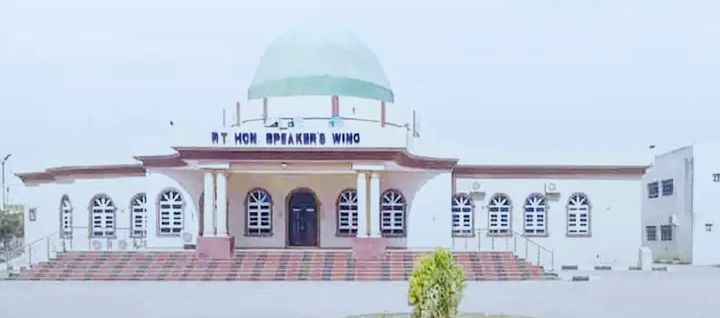
The Kano State House of Assembly has extended the suspension of three local government chairmen by another three months to allow further investigation into allegations levelled against them.
The affected council chairmen are those of Rogo, Bagwai and Bebeji Local Government Areas.
The House also extended the mandate of the ad hoc committee investigating the allegations against the three officials by the same period.
The development was disclosed in a statement issued on Monday by the Chief Press Secretary to the Speaker, Kamaluddeen Shawai, and made available to PUNCH Online.
According to the statement, the Assembly had initially granted the ad hoc committee three months to investigate the allegations and submit its findings to the House.
However, following the expiration of the initial period, lawmakers approved an additional three months for both the suspension of the chairmen and the committee’s investigation.
“With the expiration of the initial period, the House has now extended both the suspension of the chairmen and the mandate of the committee by another three months, to enable the.
committee to further examine the petitions, conclude its investigation, and submit its report to the House within the next three months,” the statement said.
The affected officials are Bello Abdullahi Gadanya, Chairman of Bagwai Local Government Area; Dr Alhassan Salisu, Chairman of Bebeji Local Government Area; and Abubakar Mustapha, Chairman of Rogo Local Government Area.
The extension means the three chairmen will remain suspended while the committee continues its investigation and prepares its report for consideration by the Assembly.
The House is expected to consider the committee’s findings upon completion of the extended investigation.
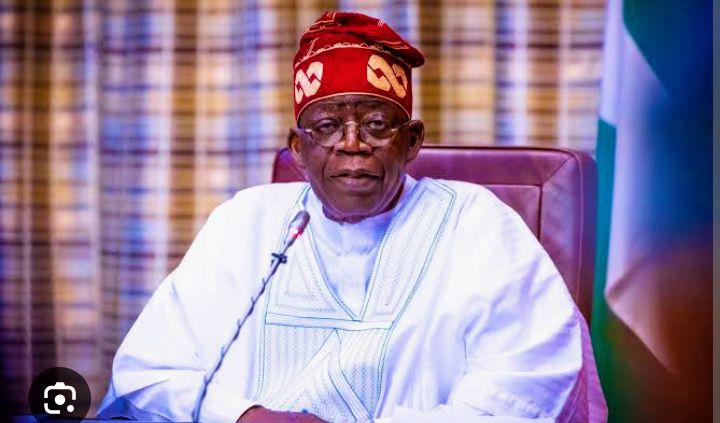
President Bola Tinubu has reaffirmed his commitment to Nigeria’s development, declaring that his determination to build a prosperous nation has become stronger following his recent spiritual journey to Saudi Arabia.
The President said he sought divine wisdom and resilience to continue serving Nigerians, expressing confidence that his prayers had been answered.
According to a statement issued on Monday by his Special Adviser on Information and Strategy, Bayo Onanuga, Tinubu made the remarks while reflecting on his lesser Hajj (Umrah) pilgrimage, during which he was granted the rare privilege of entering the Holy Ka’abah in Makkah to offer prayers.
The President expressed gratitude to the Custodian of the Two Holy Mosques, King Salman bin Abdulaziz Al Saud, and Saudi Crown Prince Mohammed bin Salman for granting him and members of his Nigerian delegation access to the sacred site.
Describing the experience as historic and deeply meaningful, Tinubu said it demonstrated the longstanding friendship, mutual respect and cooperation between Nigeria and Saudi Arabia.
He also expressed appreciation for the hospitality and recognition extended to him by the Saudi authorities.
“I want to say a big thank you for the faith, for the recognition. I can’t believe the fencing of the Ka’abah is in Green-White-Green, which reminds us of the Nigerian identity,” he said.
Tinubu described the opportunity to pray inside the Ka’abah as a rare spiritual privilege, adding that it was an experience he would always cherish.
“It is an honour that I enjoyed, and it is gracious of them to have allowed me to enter inside the Ka’abah. This is history,” he stated.
Reflecting on his prayers during the pilgrimage, the President said he asked Almighty Allah for wisdom and resilience to continue leading the country.
“Well, I asked for wisdom and resilience to continue to serve the people. I know that prayer has been granted,” he said.
He recalled undertaking a similar Umrah pilgrimage before the 2023 presidential election, during which he prayed for Allah’s blessings and promised to return in gratitude if his prayers were answered.
The President also referenced Surah Aal-Imran, Verse 26 of the Holy Qur’an, which highlights Almighty Allah’s ultimate authority over sovereignty and the power to grant and withdraw political authority.
According to Tinubu, political power should be treated as a divine trust that requires humility, responsibility and commitment to the welfare of the people.
He stressed that leadership was a privilege granted by Almighty Allah and should be exercised in accordance with divine guidance.
“There is no other God but Almighty Allah. He is the giver and the taker. He owns power and authority. He says, ‘If I give you, use it well.
If you don’t use it in accordance with my dictates, I can take it from you and give it to another person. I am the only One who has that authority,” he said.
Tinubu described his emergence as Nigeria’s President and Commander-in-Chief as a special blessing, noting that the position carried enormous responsibility to serve the country.
He said his administration remained committed to pursuing policies and programmes that would promote national prosperity, strengthen the economy and improve the lives of Nigerians.
“My commitment to Project Nigeria is higher. I am determined to usher in prosperity and fully develop the country, consistent with the wish of Allah and the support of the people,” the President declared.
He urged Nigerians to put Almighty Allah first, follow their conscience and remain committed to the right path towards national development.
On the economy, Tinubu expressed optimism about the country’s outlook, describing the foundation laid by his administration as solid and the progress recorded as encouraging.
“The foundation is solid, and the economy has come out of the dark tunnel. This is inspiring,” he said.
The President also emphasised the need to invest in young Nigerians, warning that decisions taken by current leaders would determine how future generations remember their contributions to the country.
“We need to build a future for our youth. If we don’t invest in their future, how do we want to be remembered as leaders 50 years from now? That’s the main thing,” he added.
He reiterated that his administration would continue to prioritise economic strengthening, youth development and the creation of opportunities that would enable Nigerians to realise their potential.
Also expressing gratitude for the spiritual experience were the Attorney-General of the Federation and Minister of Justice, Lateef Fagbemi, SAN; the Coordinating Minister of Health and Social Welfare, Professor Muhammad Ali Pate; and the governors of Borno, Sokoto, Jigawa, Kaduna, Yobe and Kwara States.
Other members of the Nigerian delegation included business leaders such as the Chairman of BUA Group, Abdulsamad Rabiu, and the Chief Executive Officer of Oando, Wale Tinubu.
They reportedly expressed appreciation to Almighty Allah and the President for the opportunity to enter the Holy Ka’abah and offer prayers.
-

 Security4 months ago
NDLEA Declares Alleged Drug Kingpin, Three Associates Wanted, Freezes ₦9.8bn Linked to Syndicate
-

 Business/Finance3 months ago
How to Apply for Tunde Onakoya’s ₦250 Million Scholarship Programme and Free Laptop Offer
-

 National Affairs3 months ago
ICPC Uncovers 908 Suspected Ghost Workers Across 50 Federal MDAs, Recovers ₦942 Million
-

 Judiciary | Public Safety3 months ago
INEC Tells Court Voter Information Is Not Confidential in Emeka Ike’s ₦10bn Lawsuit
-

 Politics3 months ago
Atiku Challenges Tinubu to Reveal Details of ₦15.13bn SUV Procurement in 2026 Budget
-

 Judiciary | Public Safety3 months ago
Court to Rule Friday on NDLEA’s Bid to Destroy ₦480bn Meth Lab in Ogun
-

 Security3 months ago
Family Paid ₦50 Million Ransom to Secure Release of Abducted Kebbi Judge
-

 News3 months ago
2026 Budget: FG Earmarks ₦962.83bn for SUVs, Empowerment Projects Amid Debt Concerns